Health
Venezuela quake survivors face illness, sanitation shortages as aid expands
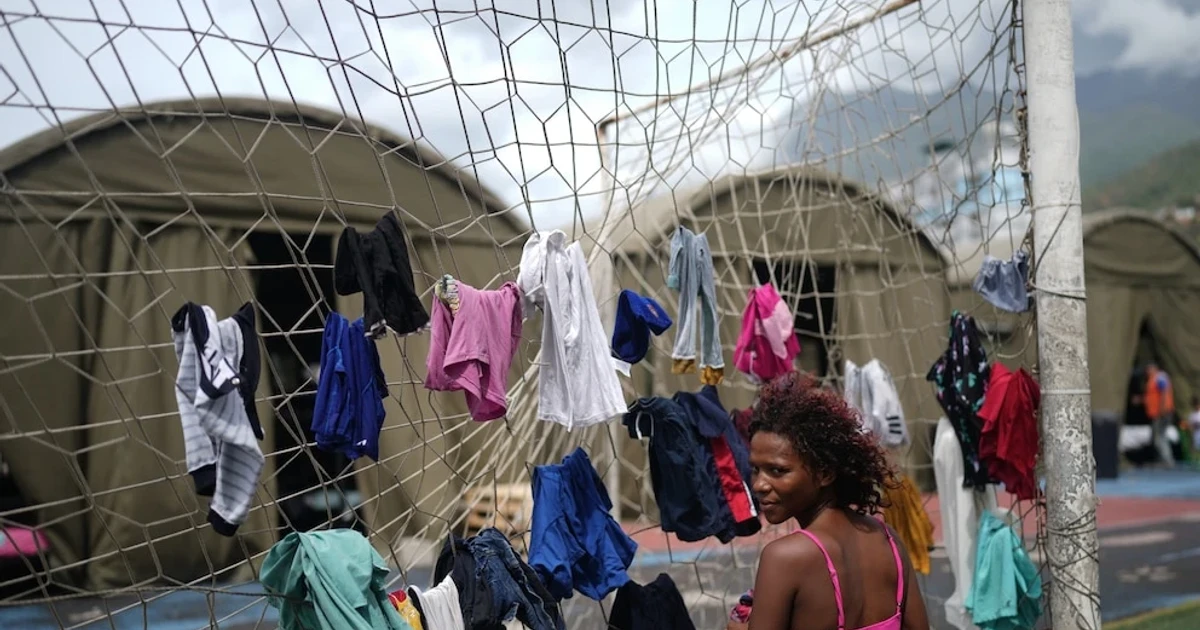
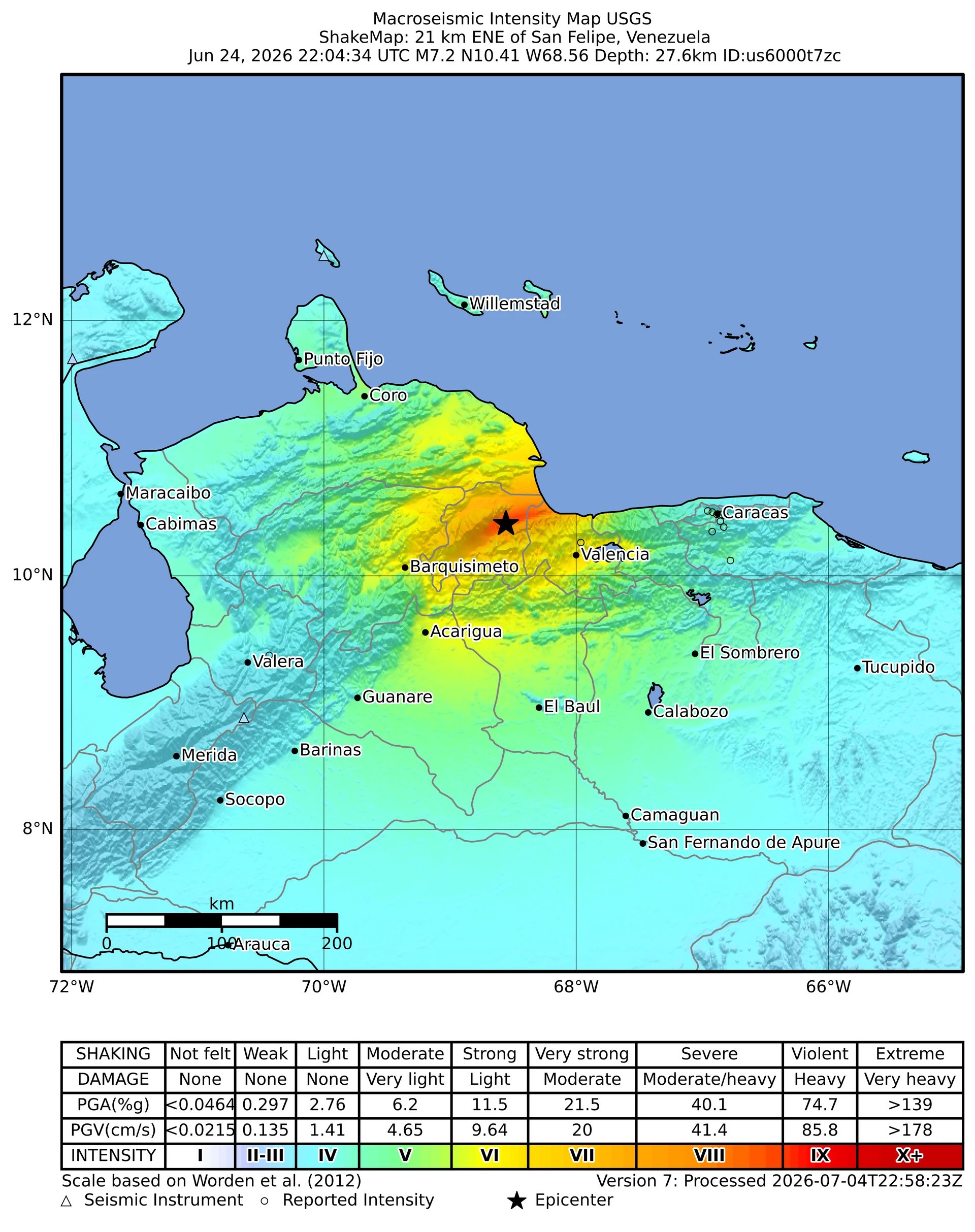
Mobile clinics, aid stations and field hospitals drew long lines in La Guaira state on July 9 as survivors of Venezuela’s June 24 earthquake doublet sought treatment for skin conditions, diarrhea and chronic ailments that had gone unattended since the quakes. The emergency began with two major shocks 39 seconds apart, about 100 miles west of Caracas.
La Guaira, the hardest-hit state, has become the center of that strain. Venezuelan officials put the toll at 190 collapsed buildings and 856 damaged more, leaving about 18,000 people without homes. Many have been sleeping in schools, sidewalks, parks and plazas, while mobile kitchens and clinics now sit in public spaces across the coast to keep families fed and treated.
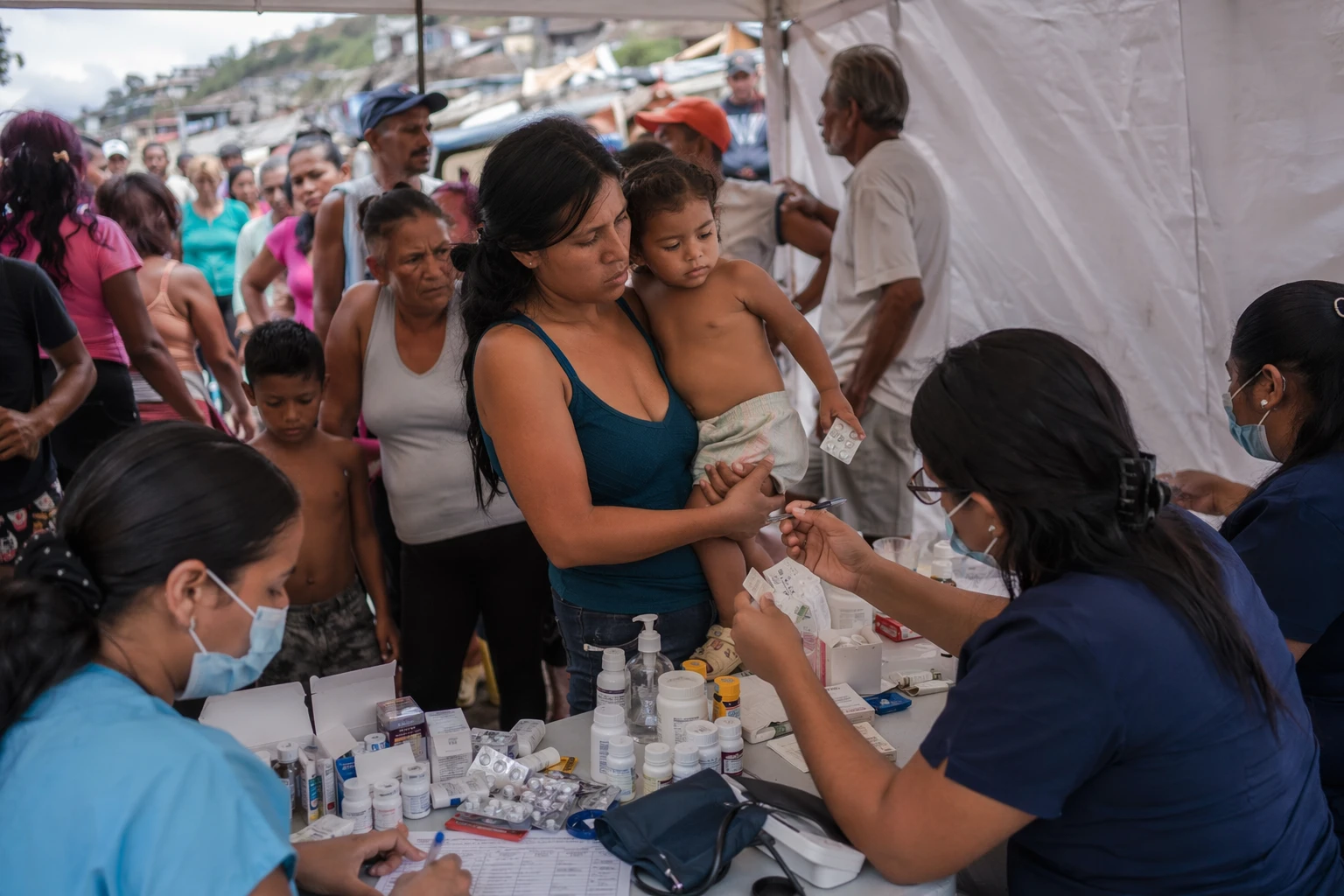
Irma Echarri, 67, came to a sidewalk clinic with eyedrops and pain reliever and hoped to get help for pain in her nose after the shaking. Her home was not damaged.
Health workers in Catia La Mar saw more skin problems, more cases of diarrhea and more requests for drugs for diabetes and high blood pressure. A Pan American Health Organization and United Nations review of eight health facilities in La Guaira, Caracas and Miranda found that all eight needed immediate outside help, with three of them showing structural damage. The damage, combined with displacement and crowding, has raised the risk of outbreaks in shelters and made routine care harder to reach.
Tom Fletcher, the U.N. relief chief, said displaced people were arriving with longer-term medical needs. “they’re not turning up with just the fractures now,” he said.
U.N. agencies put 7.9 million people in Venezuela in need of humanitarian support at the start of 2026, driven by economic stagnation, inflation and strained public services, while roughly 7.9 million Venezuelans have left the country. The United Nations has appealed for about $296 million to help 1.3 million people affected by the quake, and officials are also weighing prefabricated housing as a longer-term option for displaced families.
Sources
- [1]abcnews.com
- [2]news.un.org
- [3]unocha.org
- [4]accessnorthga.com
- [5]jamaicaobserver.com
- [6]twincities.com
- [7]cbsnews.com
- [8]wmnf.org