World
Venezuela quake toll climbs as military response draws criticism
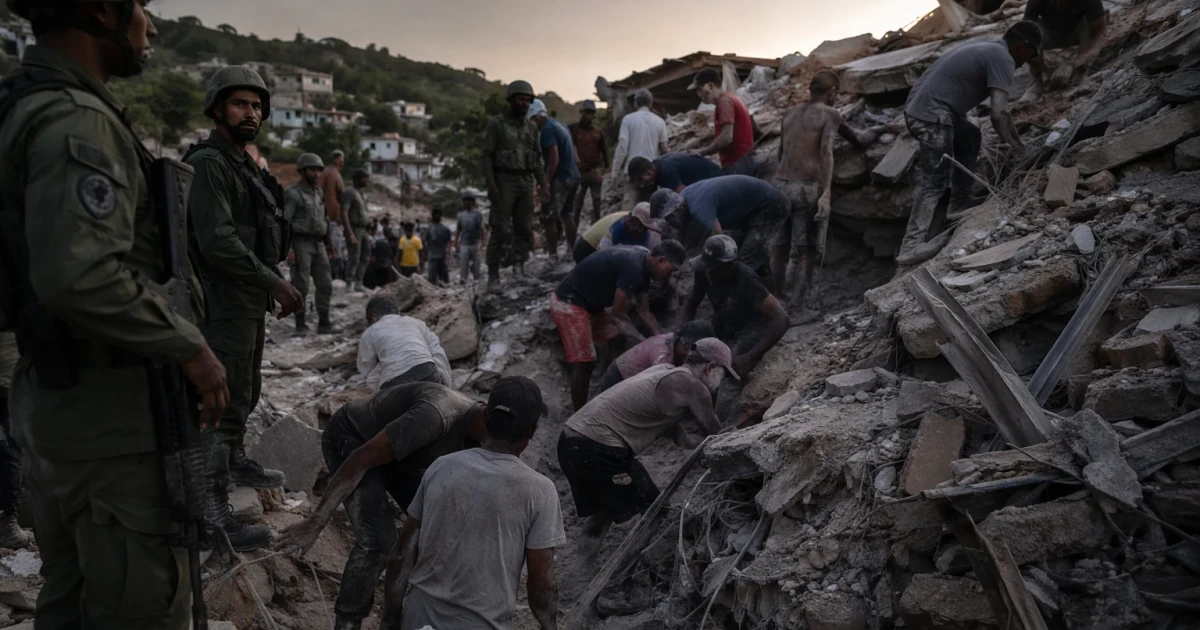
Venezuela’s death toll from twin earthquakes climbed again on June 26, while criticism intensified that the armed forces were more visible controlling roads than pulling people from collapsed buildings. In the hardest-hit areas around Caracas and La Guaira, residents kept searching for relatives with little more than shovels and bare hands as bodies were still being recovered from the rubble.
The earthquakes struck on June 24, first at magnitude 7.2 and then, 39 seconds later, at 7.5. The United Nations Office for the Coordination of Humanitarian Affairs ranked them among the strongest in Venezuela in more than a century. Power and hospital services were disrupted across Caracas and surrounding states, and officials declared a state of emergency in La Guaira, one of the areas hit hardest by the collapse.
Official casualty figures shifted rapidly through the first two days of the disaster. Early counts put the dead at at least 235, then 589, then 920 as recovery teams reached more buildings and more victims were found. Health Minister Carlos Alvarado put the number of injured at more than 4,300 in one briefing, while thousands more were still listed as missing.
That uncertainty fed public anger over the state’s response. Many Venezuelans saw the military stationed on roads, managing traffic and order, at the same time families and neighbors were digging through debris for survivors. The tension was especially stark in a country where the armed forces have long been tied not only to security but also to political control.
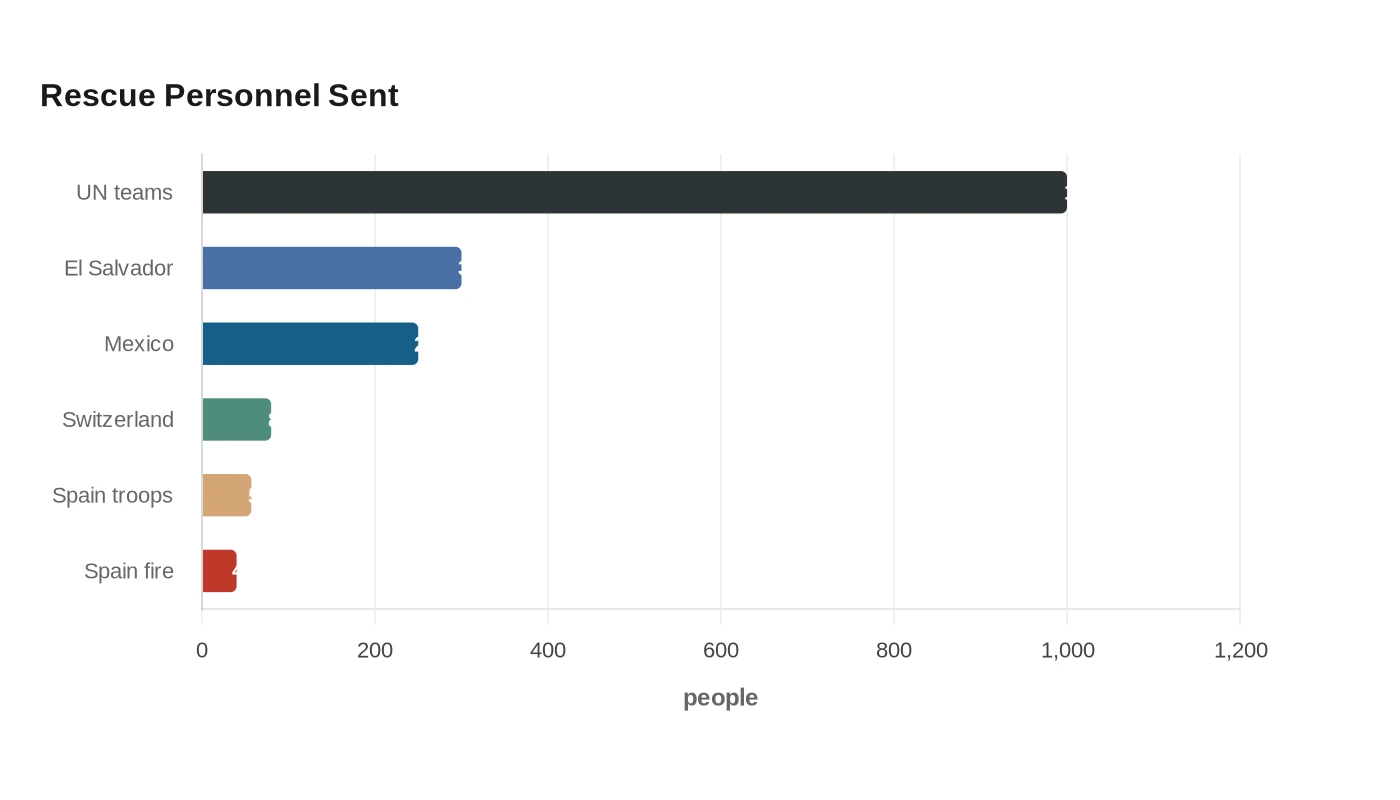
The Dominican Republic sent the first foreign rescue team to La Guaira. El Salvador pledged 300 rescue workers and paramedics, along with 50 tons of medical supplies. Mexico sent 250 military rescue personnel, five rescue dogs, four aircraft, a drone, rescue equipment and medical supplies. Spain dispatched 57 soldiers from its UME rescue unit and 40 firefighters from Madrid, while Switzerland sent 80 rescue workers and 18 metric tons of supplies.
The United Nations humanitarian system mobilized 25 international teams, totaling about 1,000 personnel. The U.S. State Department was deploying a regional Disaster Assistance Response Team and urban search-and-rescue teams, and U.S. Southern Command was working with the department to support relief operations.
Sources
- [1]nytimes.com
- [2]unocha.org
- [3]state.gov
- [4]usnews.com
- [5]southcom.mil
- [6]news.un.org
- [7]apnews.com