World
Venezuela teen survivor haunted by friends lost in earthquake ruins
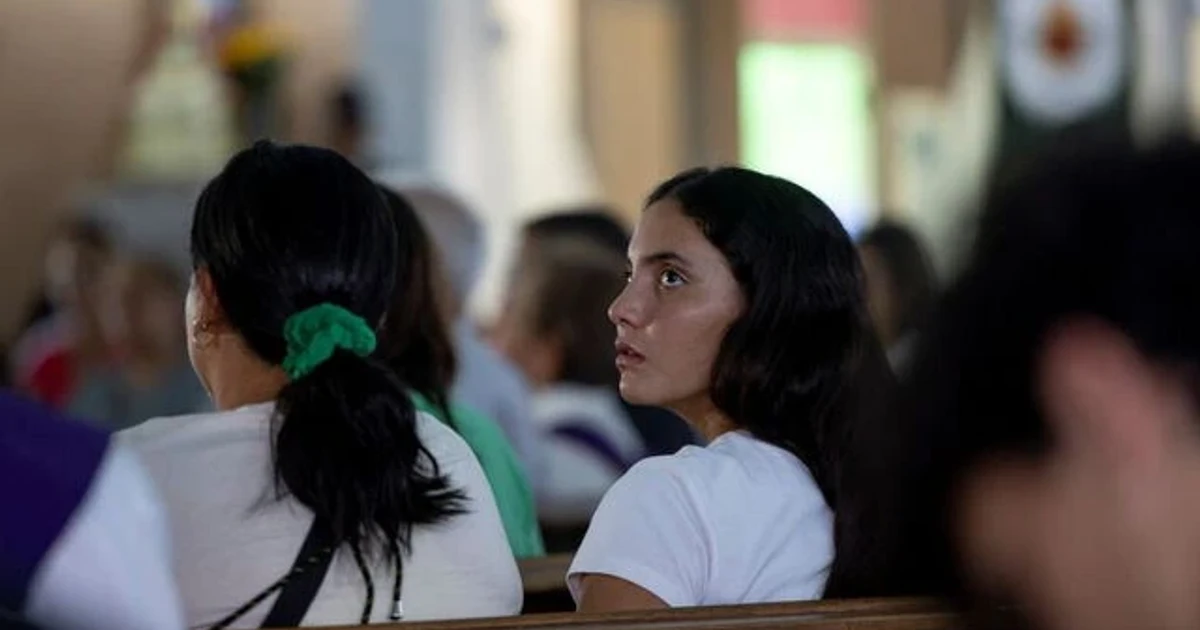
Maria Alejandra Sanz, 17, survived 17 hours trapped beneath her collapsed apartment building in La Guaira after the June 24 earthquakes, drinking her own urine to stay alive in near-darkness. The high school student said she had been preparing a graduation dance routine with 10 friends in her troupe, but four of them did not survive, turning a teenage milestone into a reckoning with loss.
Her grief has been sharpened by the recovery effort itself. Sanz had assumed her friends were dead, and that fear deepened when rescue workers later pulled the body of Gonzalo Marquez from the wreckage. The questions left behind by the collapse are not only about survival, but about whether more could have been done in the hours when families and classmates were waiting for news.
The earthquake sequence that struck Venezuela on June 24 consisted of two major quakes, magnitude 7.2 and 7.5, about 39 to 40 seconds apart. UN humanitarian reporting put the provisional toll by June 26 at 920 dead and 3,360 injured, with more than 3,000 people displaced and at least 1,423 infrastructures affected. La Guaira was declared a disaster zone and emerged as the hardest-hit state in the early response.
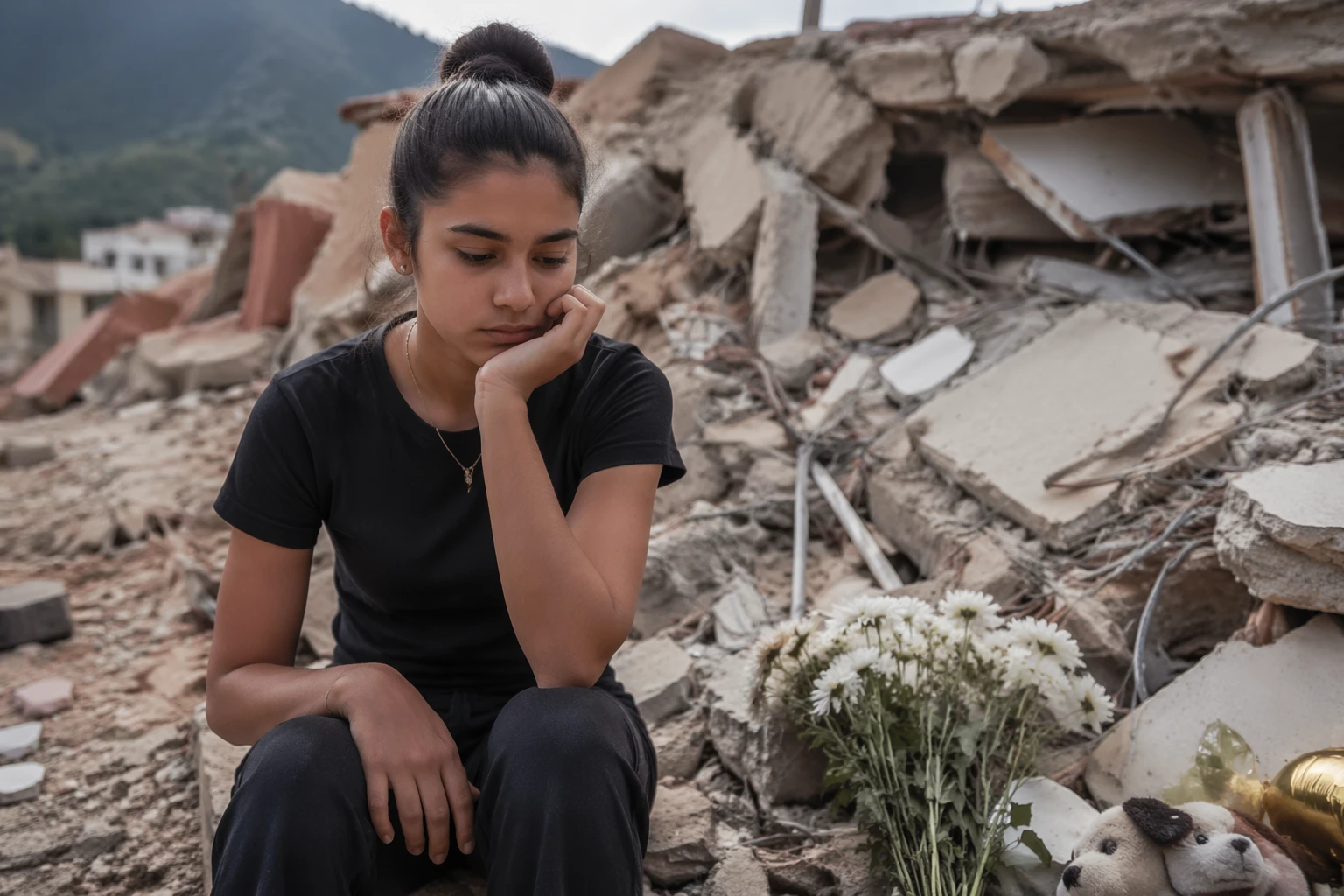
The destruction reached into places that had anchored daily life before the tremors. At the Los Cocos public housing complex, more than 100 people stood silently on June 30 while rescuers searched the rubble of the Hugo Chavez complex, where six of eight towers were destroyed. Members of the U.S. Air Force 21st Special Tactics Squadron worked alongside Venezuelan military police during search-and-rescue operations in Tanaguarena, a sign of how far the emergency had stretched local capacity.
Outside the formal rescue zones, the aftermath spread into streets, highway medians, parks and stadiums, where survivors were sleeping in makeshift camps. EL PAÍS reported that families were depending on volunteer-run collection centers as damaged hospitals and other public facilities strained under the load. UNICEF described the earthquakes as the most significant seismic event in Venezuela in more than a century, while the U.S. Geological Survey said the first quake was a shallow strike-slip foreshock followed by a stronger mainshock.
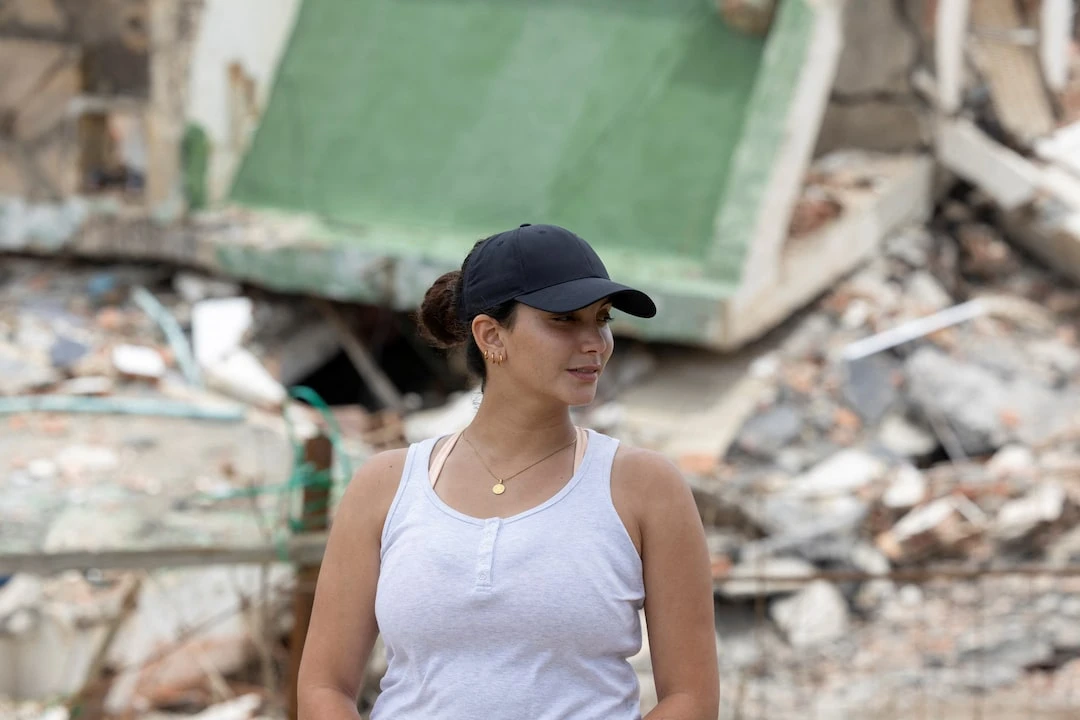
For Sanz, the dust, the ruined building and the memory of her friends remain present every day. Her survival is only the beginning of the story now facing bereaved families and young people across La Guaira: how to mourn classmates who should have been at a graduation dance, and how to rebuild a future in a place still counting the dead and searching through the debris.
Sources
- [1]usnews.com
- [2]uk.news.yahoo.com
- [3]english.elpais.com
- [4]unocha.org
- [5]unhcr.org
- [6]unicef.org
- [7]earthquake.usgs.gov