World
Venezuelan weaver preserves ancestral wool craft with natural dyes
In the Mérida highlands, where electric looms are now common, Margarita Mora Castillo still works the old way, and the results look strikingly current. The Venezuelan weaver, born in 1935 in Mitivivó, has spent decades preserving a full wool-making chain that begins with the sheep and ends with finished textiles made entirely by hand.
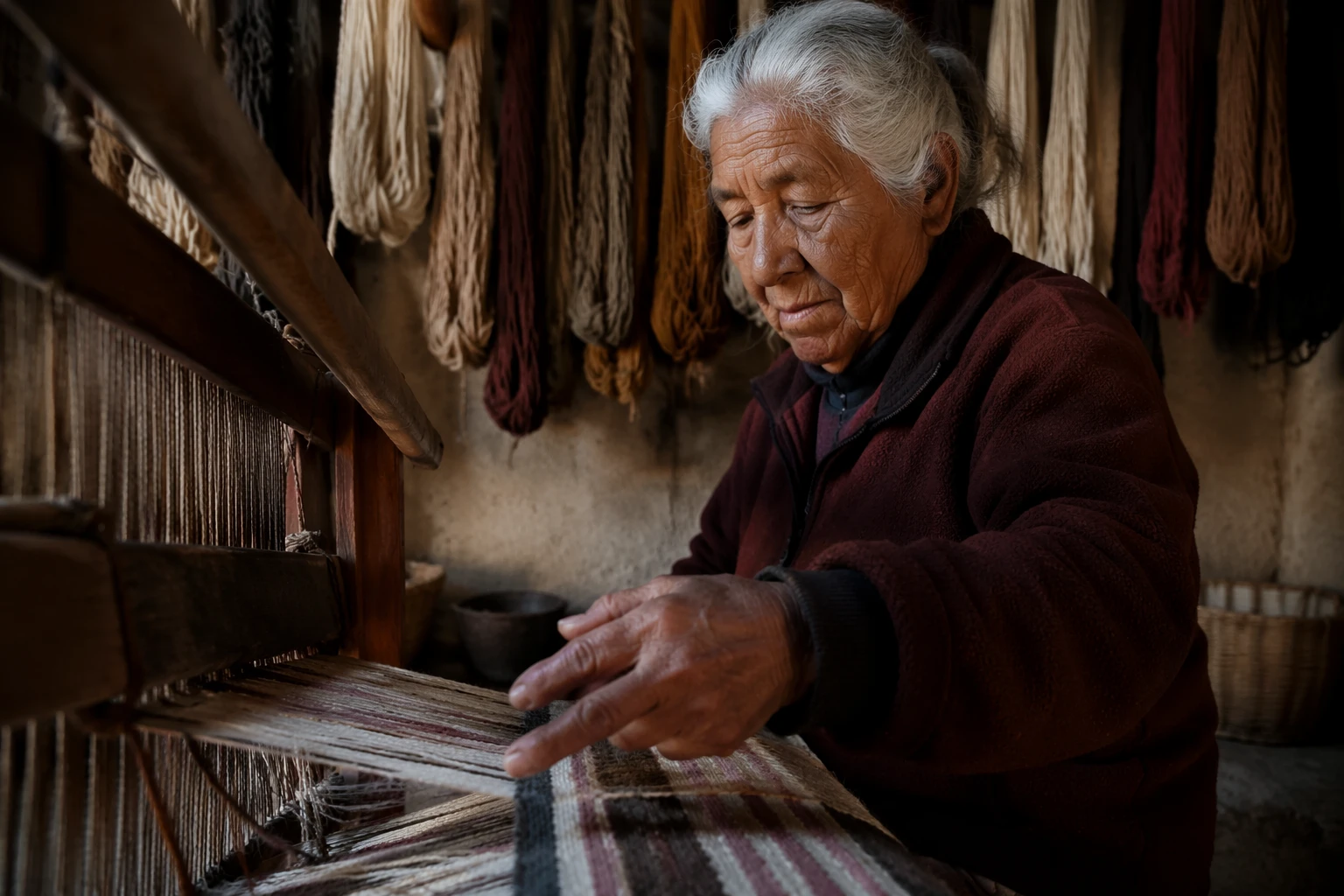
Mora was helping tend sheep from the age of seven, long before she bought the loom she had admired as a child. By 2022, at 87, she was still using that same loom in Mucuchíes, often working at night on a cobija. Her craft reaches across every step of production: she shears, washes, cards, spins, dyes and weaves the wool herself. The finished pieces include ruanas, blankets, upholstery tapestries and gloves, each one shaped by the same manual process that has defined her life.
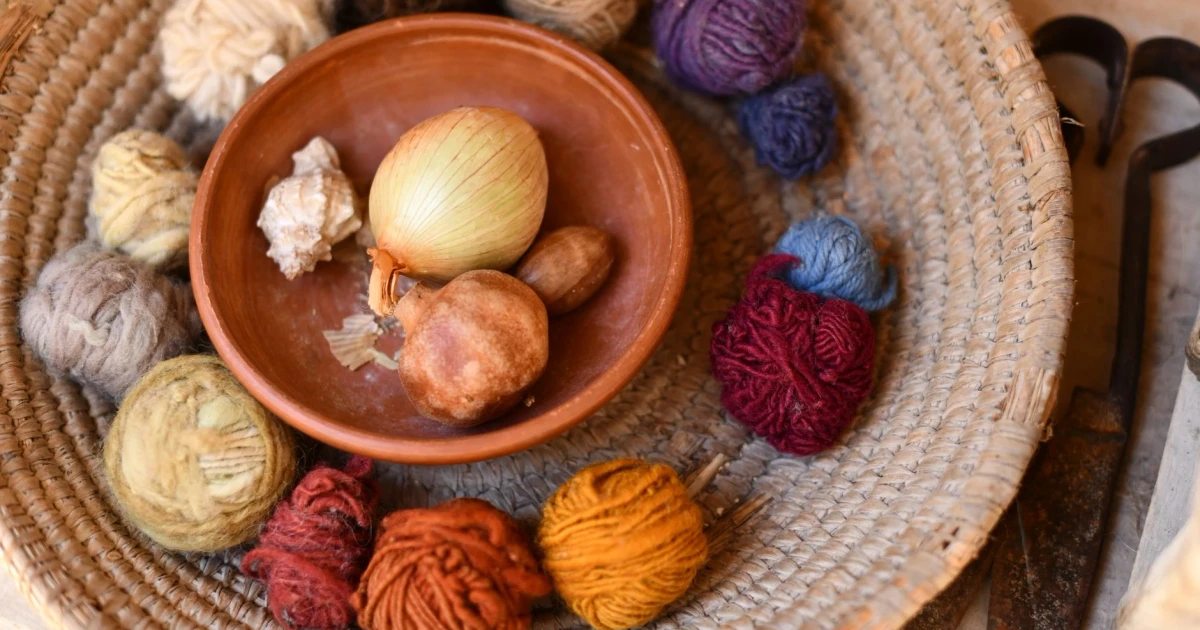
The materials and colors come from the land around her. Mora uses natural dyes made from barba de palo, roots and eucalyptus, keeping alive techniques that rely on local plants rather than industrial chemicals. Her work is woven on a wooden loom set against the bahareque wall of her home, a setting that underscores how closely the craft remains tied to the architecture, landscape and domestic life of the páramo.
That continuity carries a larger history. In the Andes Mountains, Indigenous and colonial weaving traditions long ago intertwined after the Spanish conquest introduced sheep and looms to the region. Local accounts describe the craft in the páramo as “sincretizadas,” a blended tradition in the hands of artisans like Mora. The result is not a museum piece but a living practice, one that still produces objects with a contemporary feel even as it preserves ancestral methods.
Mora’s path also reflects the hard edge of rural Venezuelan life. Her parents had little or no land and survived as day laborers. In the 1930s, the páramo was much colder than it is today, with nights often falling to five degrees below zero or colder. In recent years, ecological degradation in the ecosystems that supply her materials, Venezuela’s economic crisis and the covid-19 pandemic have all weighed on her production, while weak tourism seasons in the Mérida highlands have made selling harder.
Her work belongs to a wider national heritage conversation. UNESCO defines intangible heritage as living traditions and practices, including handicrafts, and Venezuela marked joropo as its eleventh such recognition in 2025. Mora’s loom, still in use after all these years, shows what that recognition is meant to protect: not nostalgia, but continuity under pressure.