World
Venezuelans in Houston organize aid drives after deadly earthquakes
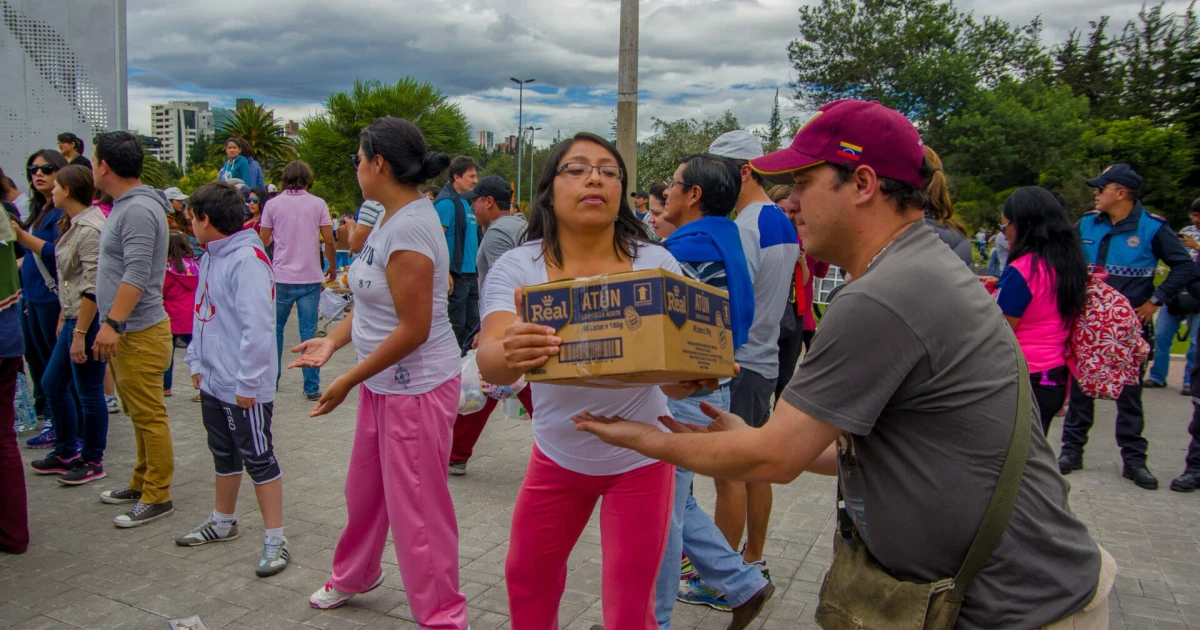
Houston’s Venezuelan community opened donation sites across the city after two earthquakes tore through Venezuela on June 24, collecting supplies for families more than 2,000 miles away as the death toll climbed to at least 235. The first quake measured 7.2 and was followed less than a minute later by a 7.5-magnitude temblor, according to the U.S. Geological Survey and Venezuelan officials.
The scale of the destruction pushed Venezuelans in Houston into immediate action. Regardia, one of roughly 83,000 Venezuelans living in the greater Houston area, said she called her grandmother in Caracas as soon as she saw the damage. She described the moment as especially painful for a community that has already built a life far from home while remaining tightly tied to the people left behind. Organizers said several donation sites were opened so residents could drop off supplies and help pack shipments headed to Venezuela as quickly as possible.
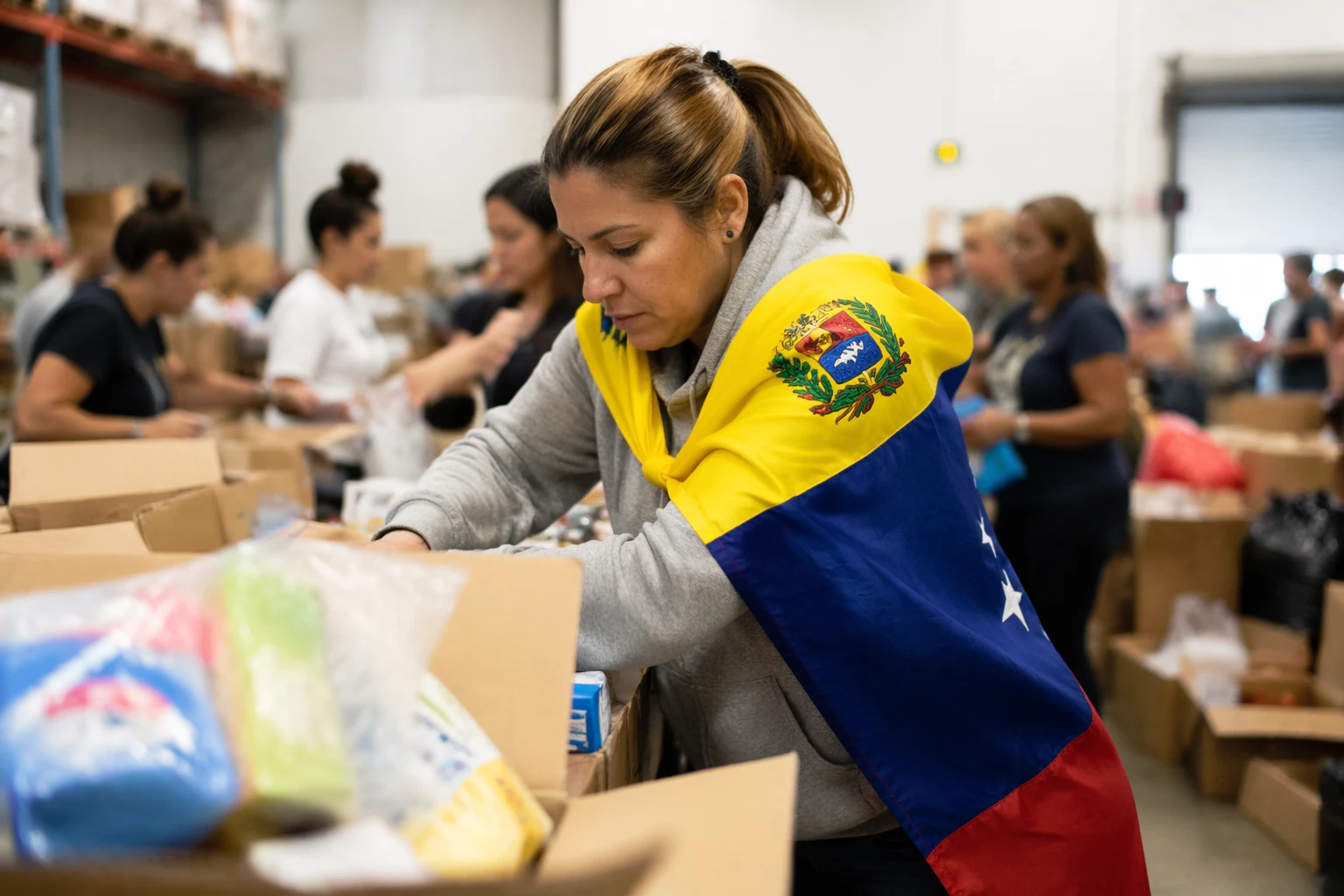
The human toll in Venezuela remained severe. Officials reported about 4,300 injuries, and said hundreds more people could still be trapped under rubble. The quakes hit Caracas and surrounding states including Aragua, Carabobo, Falcón, La Guaira and Miranda, leaving flattened buildings and large swaths of damage along Venezuela’s northern coast. UNICEF said about 3.9 million children live in the affected areas, underscoring how many families now face disruption to shelter, schooling and basic services.
Aid from abroad was beginning to mobilize, but delivery remained uncertain. The U.S. government pledged $150 million in relief, and U.S. military aircraft were being made available to support search-and-rescue efforts and help move assistance. Damage to Caracas’ main airport could complicate the shipment of donated supplies from Houston and other diaspora hubs, even as organizers pushed boxes of food, medicine and other essentials toward departure.
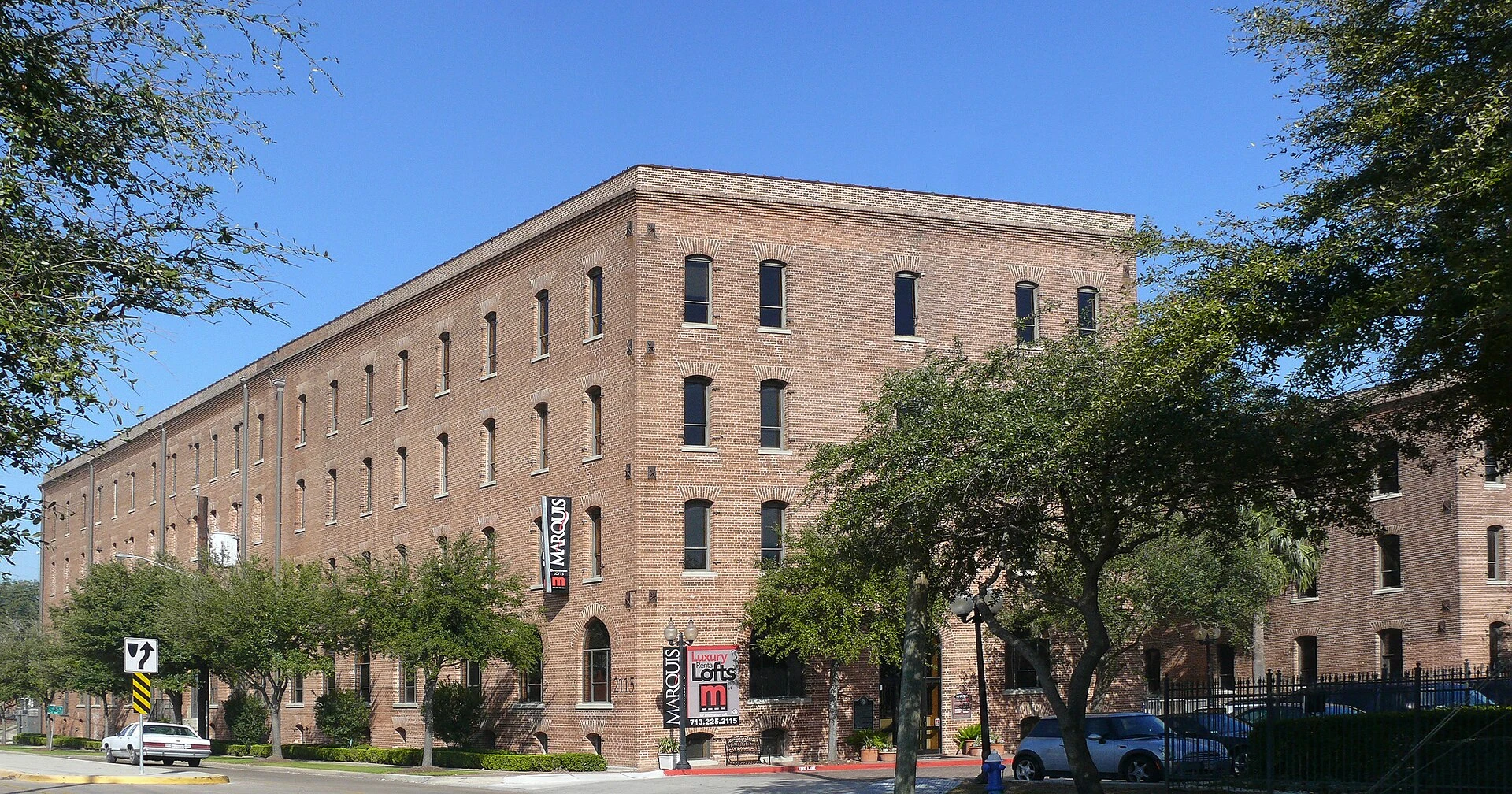
For Houston’s Venezuelans, the response was both logistical and personal. The city’s donation drives became a bridge between a diaspora community and a homeland in crisis, with families here trying to compensate for the gaps left by a disaster that officials and aid agencies said could still worsen as rescuers searched for survivors.
Sources
- [1]npr.org
- [2]tspr.org
- [3]unicef.org
- [4]cbsnews.com
- [5]usnews.com
- [6]news.un.org
- [7]earthquake.usgs.gov