Lifestyle
Venice Enforces Suitcase Ban with Fines for Tourists
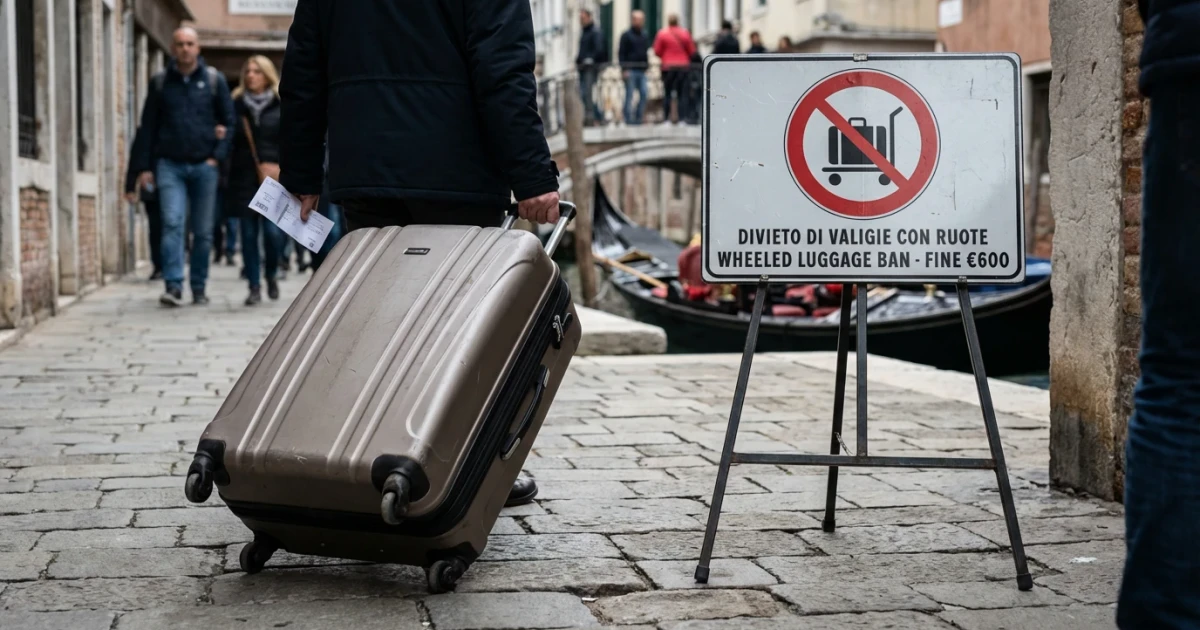
Venice, one of Europe’s most iconic travel destinations, has implemented strict new rules banning suitcases and trolleys with hard wheels in certain historic areas, with fines reaching up to $600 for violators. The move aims to preserve the city’s delicate infrastructure and improve the quality of life for residents, while raising concerns among American and international tourists about compliance and enforcement.
Why Venice Is Banning Suitcases and Trolleys
The city’s Access and Mobility Rules restrict the use of noisy, hard-wheeled luggage in historic districts and over stone bridges, especially in areas such as Piazza San Marco and the Rialto Bridge. The official Venice City Council regulation stipulates fines of up to €500 (approximately $600), targeting suitcase wheels that generate excessive noise and risk damaging centuries-old pavement.
- These rules apply mainly in the historic city center, not on the mainland or airport zones.
- Soft-wheeled or noiseless luggage may be permitted, but travelers are advised to check specifications closely.
- Fines may be imposed on-the-spot by local police.
Impact on American and International Tourists
With Venice welcoming millions of foreign visitors annually, including a significant proportion from the United States, the ban has drawn global attention. Recent data from Eurostat show that Italy remains a top European destination, with Venice consistently ranking among the most visited cities. For American travelers, the risk of an unexpected fine is particularly worrying, as many are unfamiliar with local regulations or language barriers can complicate understanding the rules.
The European Consumer Organisation emphasizes the importance of researching local travel regulations before arrival, noting that luggage restrictions, fines, and enforcement practices can vary widely across EU member states and cities.
How the Suitcase Ban Is Enforced
According to the official regulation, law enforcement officers in Venice are authorized to stop tourists using prohibited luggage, request identification, and issue fines. Signs at major entry points and bridges warn about the ban, but some travelers report that the rules are not always clearly marked in English or other languages. The city’s mobility and access portal provides maps and downloadable guides to help visitors plan compliant travel through the city’s pedestrian zones.
- Tourists are encouraged to use backpacks or soft, noiseless luggage.
- Hotels and accommodations may offer porter services or luggage storage to help guests comply.
Travelers’ Rights and Practical Advice
The official Italian tourism portal provides guidance on luggage transport and other important rules and regulations in Italy. If a fine is issued, tourists are entitled to a written explanation and may have the right to contest it, though the appeals process can be complex and may require local legal assistance.
- Research the rules for each city on your itinerary before traveling.
- Choose luggage that complies with local sound and wheel regulations.
- Consult your hotel or host for tips on navigating restricted areas.
- Keep documentation of any fines or disputes for your records.
Looking Ahead
As European cities seek to balance tourism with heritage preservation, visitors can expect more local regulations affecting travel habits. Venice’s suitcase ban is one of several recent measures—including day-tripper entry fees and new crowd controls—designed to sustain the city’s infrastructure and environment. American and international tourists are strongly urged to stay informed and adapt accordingly to avoid hefty fines and enjoy a smoother European journey.