Lifestyle
Venice Raises Tourist Fee Amid Overtourism Concerns
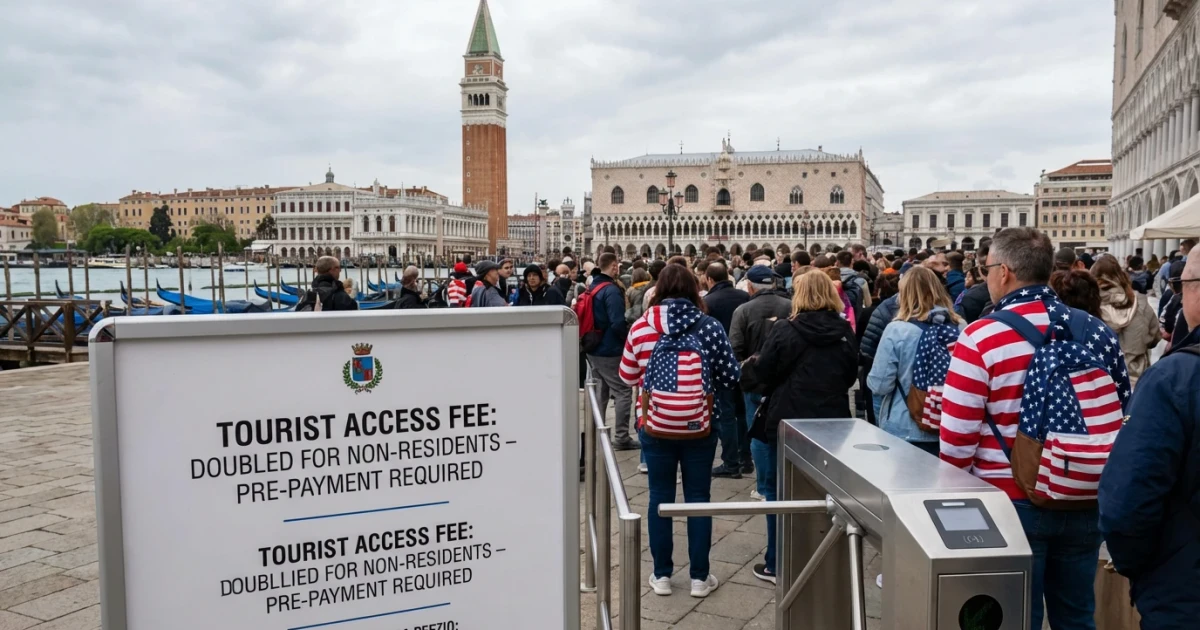
Venice, one of the world’s most visited cities, has announced a significant increase in its daily tourist access fee, doubling the charge for American visitors. This move is part of a continued strategy to tackle overtourism, which has placed immense pressure on the city’s fragile infrastructure and historic sites.
Venice’s Growing Tourism Challenge
As a UNESCO World Heritage Site, Venice has long grappled with the dual challenge of welcoming millions of global visitors while preserving its unique architecture and delicate lagoon environment. According to Istat tourism statistics, Italy consistently ranks among the top international destinations, with Venice itself drawing over 5 million tourists annually in recent years. The United States is a major source of these visitors, contributing significantly to the city’s tourism economy.
- Venice receives millions of tourists each year, many arriving on day trips from cruise ships or nearby cities.
- Visitor numbers have rebounded strongly post-pandemic, intensifying pressures on public spaces and local life.
Doubling the Access Fee for American Tourists
The recent fee increase, as highlighted by TheTravel, specifically targets American visitors, who now face a daily charge that is double the previous rate. The official Venice access fee page confirms the updated pricing, along with details on exemptions, such as for overnight guests and Veneto region residents.
The city’s rationale is twofold: to generate revenue for conservation efforts and to deter excessive day tripping that contributes to crowding without supporting local businesses through hotel stays. Venice’s leadership has previously voiced frustration over the overwhelming influx of tourists, with some local groups even staging demonstrations demanding that "tourists go home."
Balancing Tourism and Preservation
Venice’s decision to double the fee for a key demographic of visitors reflects a broader European trend. The European Parliament notes that several cities, including Barcelona and Amsterdam, have begun experimenting with higher tourist taxes and stricter restrictions to protect local communities and cultural assets.
Data from the UN World Tourism Organization shows that international arrivals to popular destinations like Venice have rebounded to near pre-pandemic levels, raising the stakes for sustainable tourism management. UNESCO continues to monitor the situation closely, warning that unchecked mass tourism could put Venice’s World Heritage status at risk.
Local Reactions and International Implications
Venice’s fee hike has drawn mixed reactions. Some residents and conservationists applaud the move as a step toward reclaiming the city for locals and safeguarding its future. Others worry about potential economic impacts, especially for businesses reliant on American tourists, who are among the city’s highest spenders.
Travel industry analysts suggest the increased fee may prompt some visitors to shorten their stays or seek alternative destinations. However, officials hope that the added revenue will support essential maintenance and crowd control measures, ultimately improving the quality of life for both locals and more mindful tourists.
Looking Ahead
Venice’s bold changes signal a growing recognition of the need to balance tourism with long-term sustainability. As the city continues to refine its visitor management strategies, other global destinations facing similar challenges may look to Venice as a model—cautiously watching whether higher fees can truly protect cultural treasures without diminishing the economic benefits of tourism.