US News
Venus disappears behind the Moon in rare daytime occultation
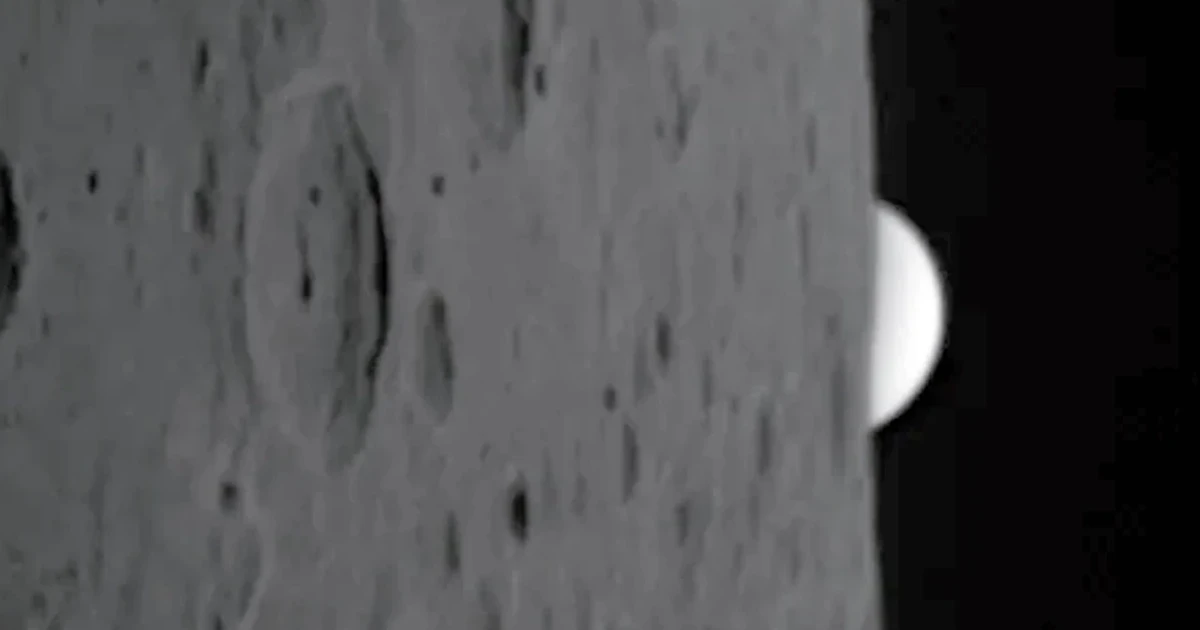
Venus vanished behind the Moon in a brief daylight alignment that turned an ordinary afternoon sky into a lesson in orbital mechanics. The Moon passed directly in front of the planet on June 17, briefly hiding Venus from view across much of North America, in a scene that was captured in striking timelapse and marked the first daylight Venus occultation visible over the United States in 11 years.
The event was visible in daylight across much of the contiguous United States, southern Canada, northern Mexico, and parts of the Caribbean and South America, with NASA saying it could be seen from parts of the United States, Canada, Brazil and Venezuela. In-The-Sky.org listed the viewing window from 14:17 EDT, or 18:17 UTC, to 18:43 EDT, or 22:43 UTC. Astronomy Magazine said the Moon passed 0.3 degrees north of Venus at 4 p.m. EDT, underscoring how tight the alignment had to be for the planet to disappear.
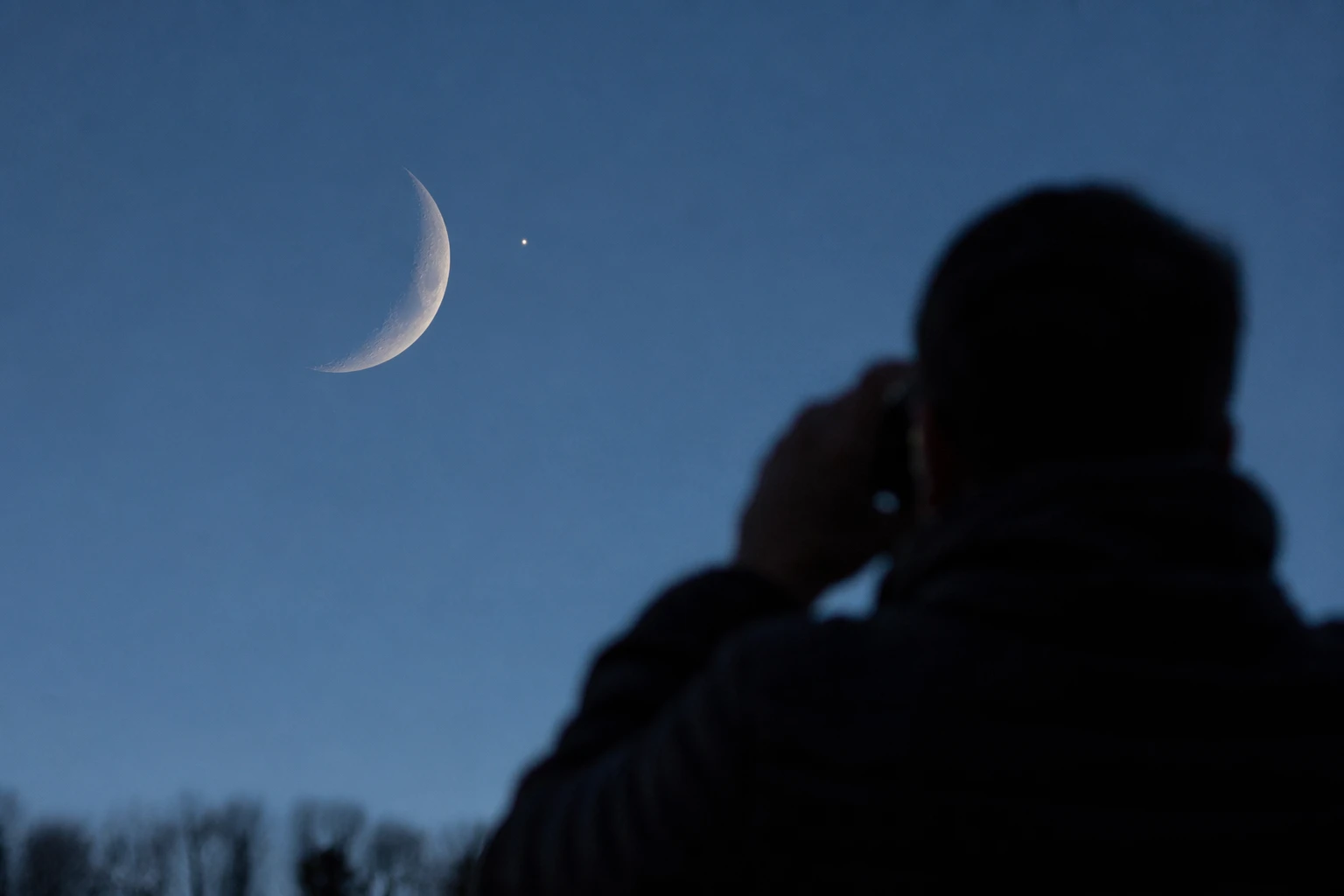
What made the disappearance so abrupt was the Moon itself. During the occultation, the Moon was about 11% illuminated and in a waxing crescent phase, while Venus was about 74% illuminated and roughly 15 arcseconds across. Because the Moon has no atmosphere, its dark limb cut off Venus almost instantaneously instead of allowing the planet to fade gradually. Observers outside the exact viewing path could still see the two bodies appear close together, but the full occultation required the right geography and timing.
NASA and NASA Jet Propulsion Laboratory also stressed safety because much of the event unfolded in daytime. That warning matters whenever a bright object such as Venus is near the Sun in a daylight sky, even if the Moon provides a convenient reference point. Sky & Telescope and other sky guides pointed observers toward the same practical lesson: the best way to catch similar events is to watch the Moon’s path against the bright planets and to check occultation listings before the day arrives.
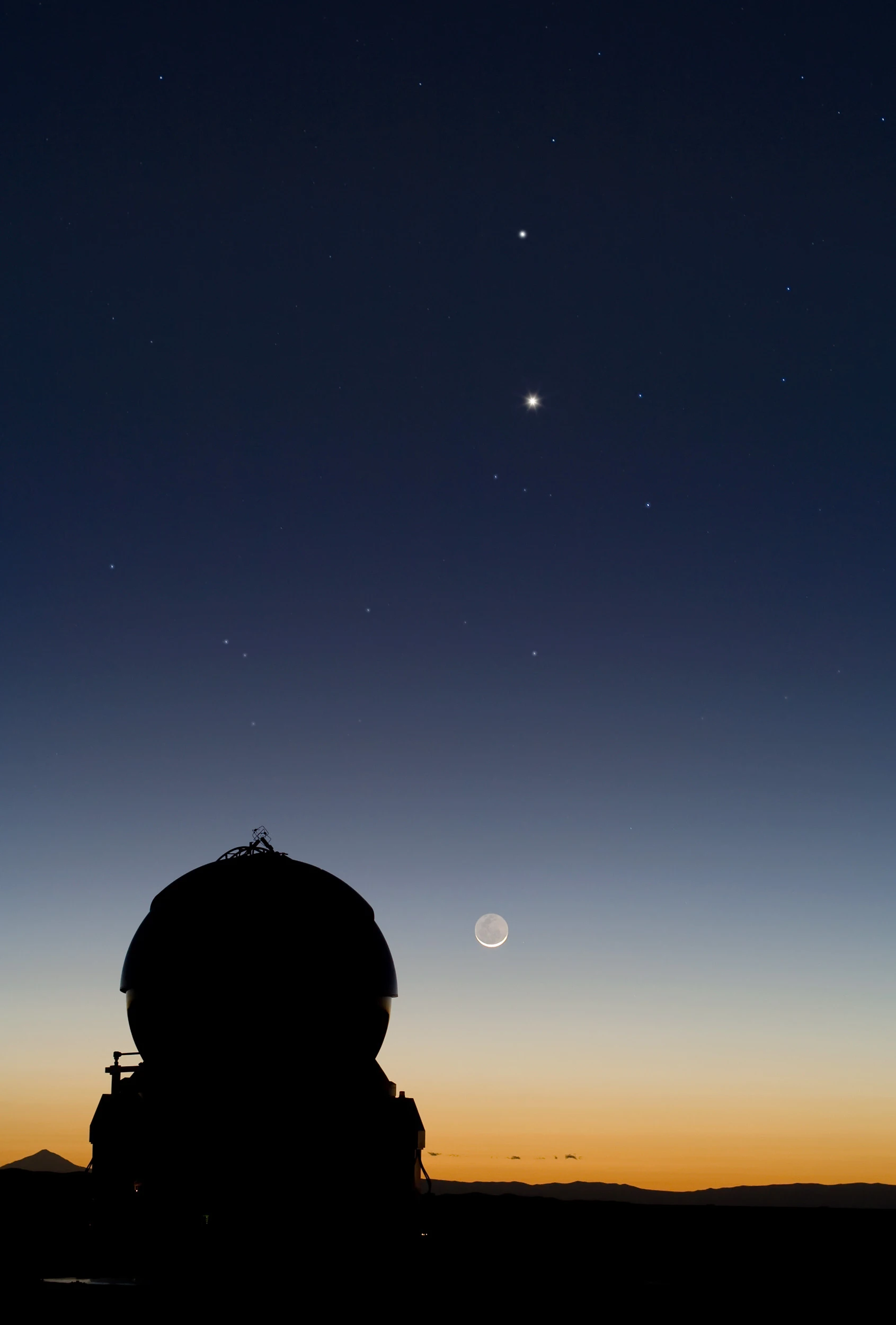
The June 17 occultation sat within a busy stretch of skywatching that also included a Venus-Jupiter conjunction and Mercury near the Moon in the days around it. For anyone tracking the next one, the story is not just that Venus disappeared. It is that a predictable clockwork of lunar motion, planetary position and geometry can turn a daytime sky into a precise, public demonstration of how the solar system moves.
Sources
- [1]news.google.com
- [2]foxweather.com
- [3]science.nasa.gov
- [4]in-the-sky.org
- [5]astronomy.com
- [6]forbes.com
- [7]skyandtelescope.org
- [8]jpl.nasa.gov
- [9]lunar-occultations.com