Technology
Vera Rubin telescope begins decade-long survey of the Southern sky
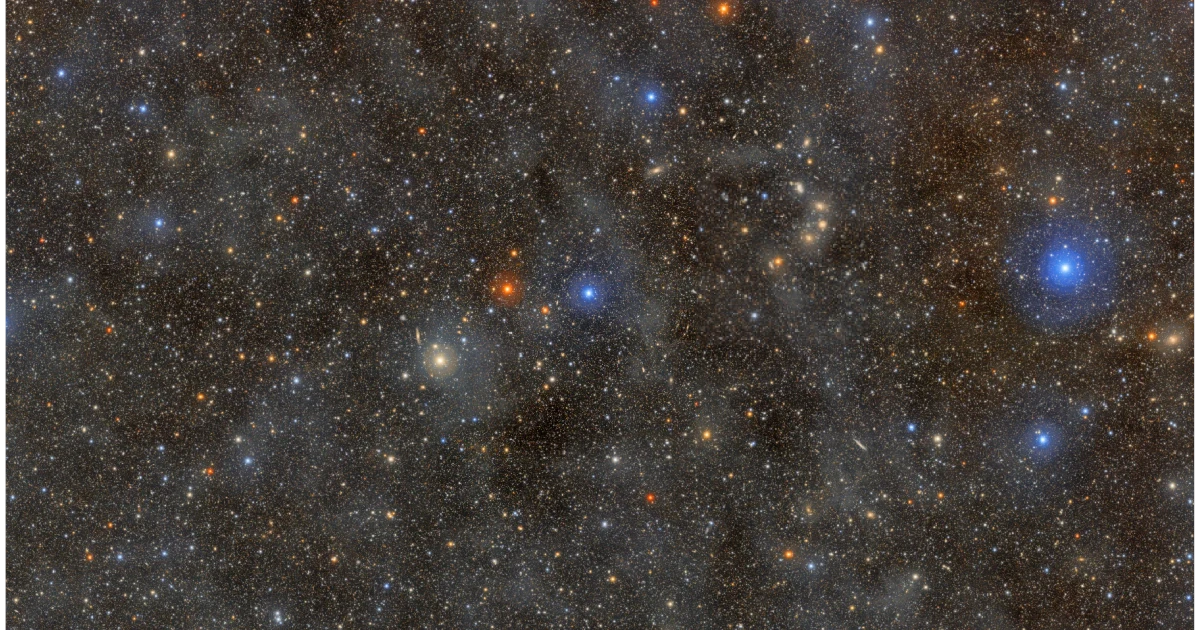
A camera the size of a small car and billed as the largest digital camera ever built started sweeping the Southern Hemisphere sky on Wednesday, beginning a 10-year survey designed to turn the night sky into a searchable record of change. The Vera C. Rubin Observatory’s Legacy Survey of Space and Time will revisit the same fields about twice a week, giving scientists a new way to track everything from the faint tug of dark matter to fast-moving asteroids and sudden stellar explosions.
At the center of the system is the LSST Camera, a 3.2-gigapixel instrument weighing more than 3,000 kilograms. It sits on an 8.4-meter combined primary and tertiary mirror with a 3.5-meter secondary mirror, a setup meant to capture a huge swath of sky in one shot while keeping fine detail across a 9.6-square-degree field of view. Over the full survey, the observatory will generate about 10 terabytes of data every night, produce more than 5 million images, and build catalogs covering more than 37 billion astronomical objects and about 7 trillion sources.
Rubin’s survey will catalog about 17 billion Milky Way stars, 20 billion galaxies and around 10 million supernovas. Repeated imaging will sharpen measurements of galaxy shapes, helping reveal the invisible scaffolding of dark matter and improving the most precise maps yet of the cosmos.
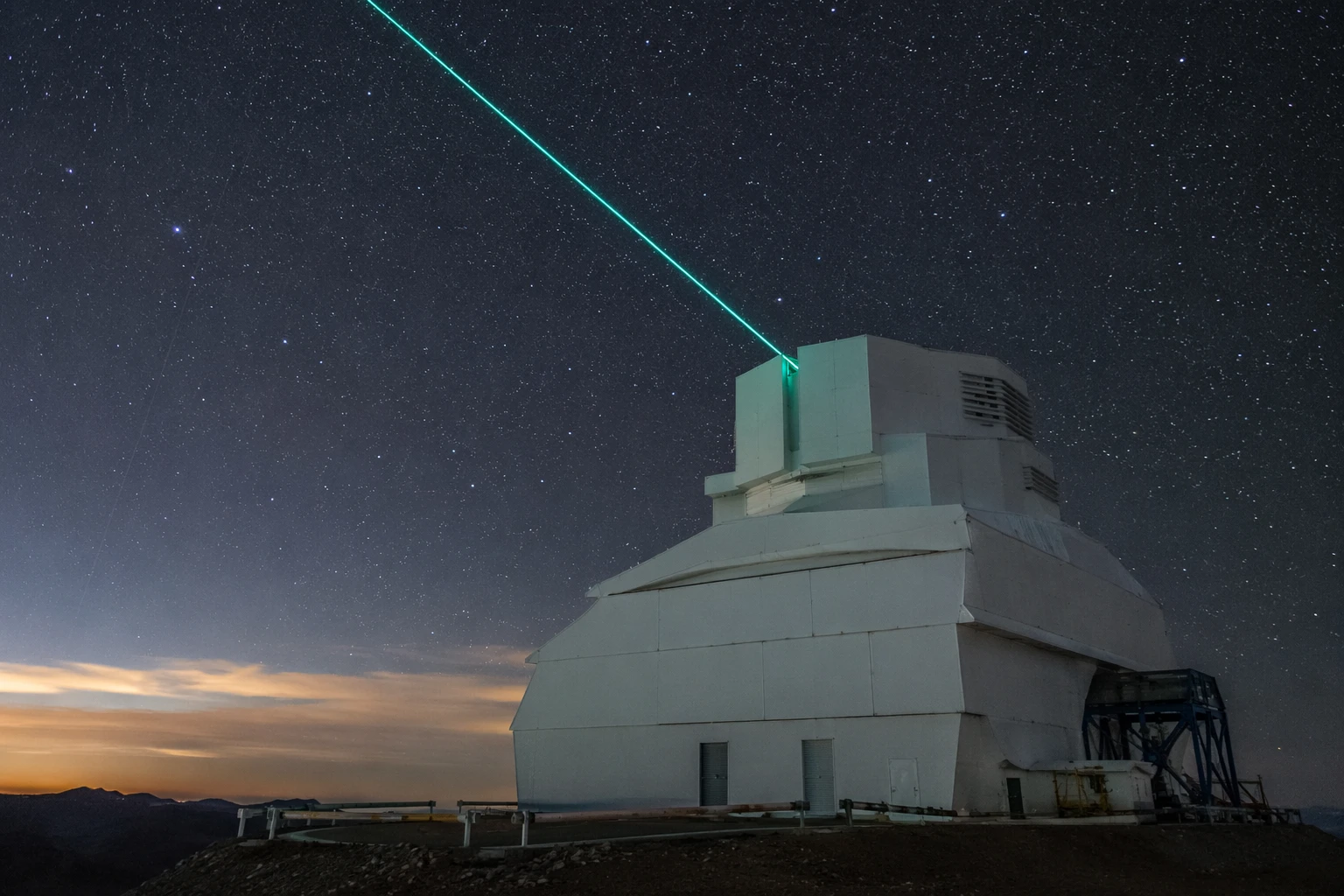
The observatory on Cerro Pachón in Chile has been decades in the making. The camera took two decades to complete, the telescope was prioritized in the 2010 Astronomy and Astrophysics Decadal Survey, and Congress confirmed the Vera C. Rubin name in December 2019. The facility is jointly funded by the National Science Foundation and the U.S. Department of Energy’s Office of Science, and it is named for Vera C. Rubin, whose work helped provide the first convincing evidence for dark matter.
Rubin released first imagery in Washington, D.C., on June 23, 2025, then launched its real-time alert system in February 2026. On the night of February 24, the observatory issued 800,000 alerts, with the system eventually expected to reach about 7 million alerts per night. By April 2, Rubin had already reported more than 11,000 new asteroids.
Sources
- [1]news.google.com
- [2]rubinobservatory.org
- [3]nsf.gov