Health
Veterinarians turn to honeybee care as colony losses surge
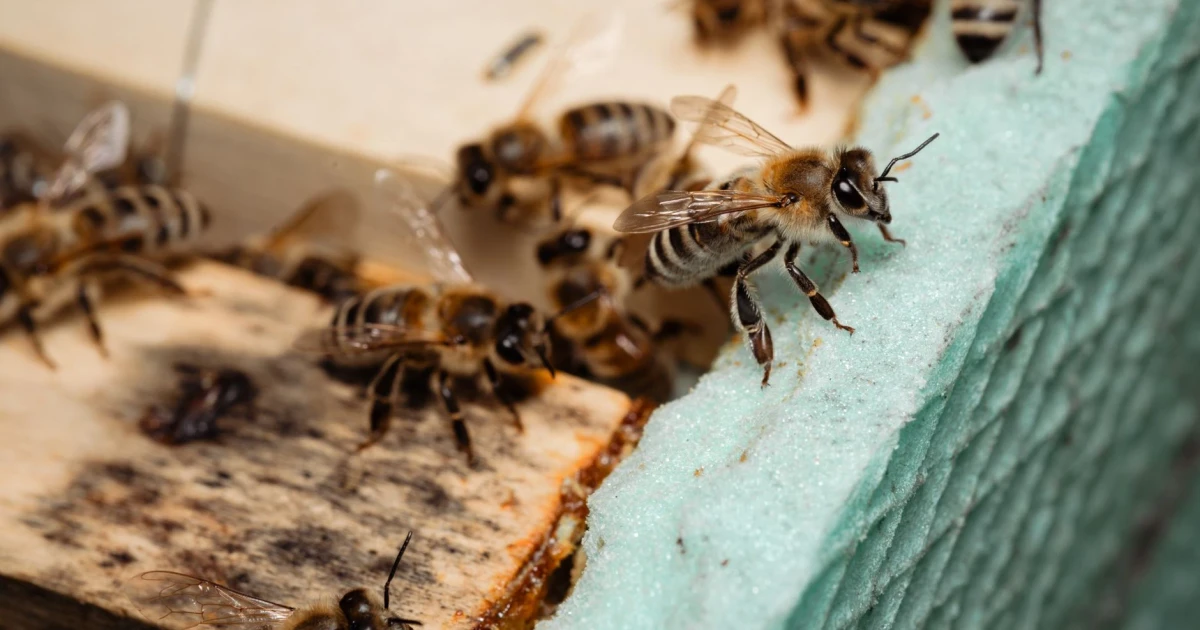
Commercial U.S. beekeepers reported average colony losses of 62% between June 2024 and March 2025, and the Honey Bee Health Coalition later said newly analyzed data confirmed 1.6 million colonies were lost. The scale of the losses has sharpened concern well beyond the apiary, because managed honeybee colonies add at least $15 billion to the value of U.S. agriculture, according to the U.S. Department of Agriculture.
That economic pressure is helping create a niche in veterinary medicine. RCVS Knowledge says honey bees are not only essential pollinators but also food-producing animals, and that veterinary treatment of bees is drawing increased interest as disease, parasites and other threats mount. Long-running concern over Colony Collapse Disorder helped push pollinator health into public view years ago; the current losses have made the issue harder for growers, packers and farm lenders to ignore.
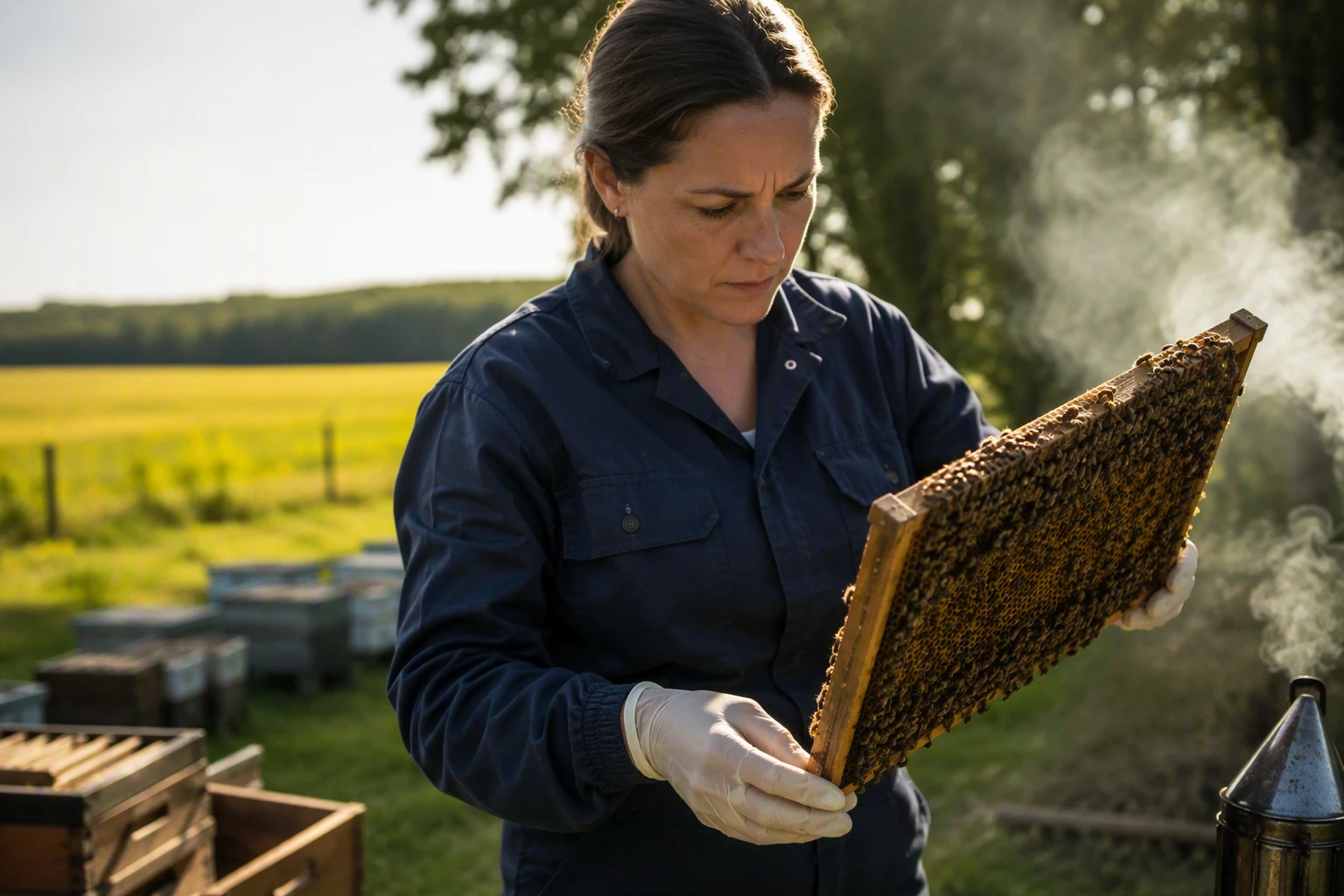
The American Veterinary Medical Association says a small group of veterinarians formed the Honey Bee Veterinary Consortium as a nonprofit to train veterinarians in bee care. The group’s rise reflects a practical problem in the field: colonies are often dissolved or merged after pollination work, leaving little chance for the kind of follow-up that is routine in dog, cat or livestock practice. AVMA says reports of colony losses of 60% or more have added urgency to that training effort.
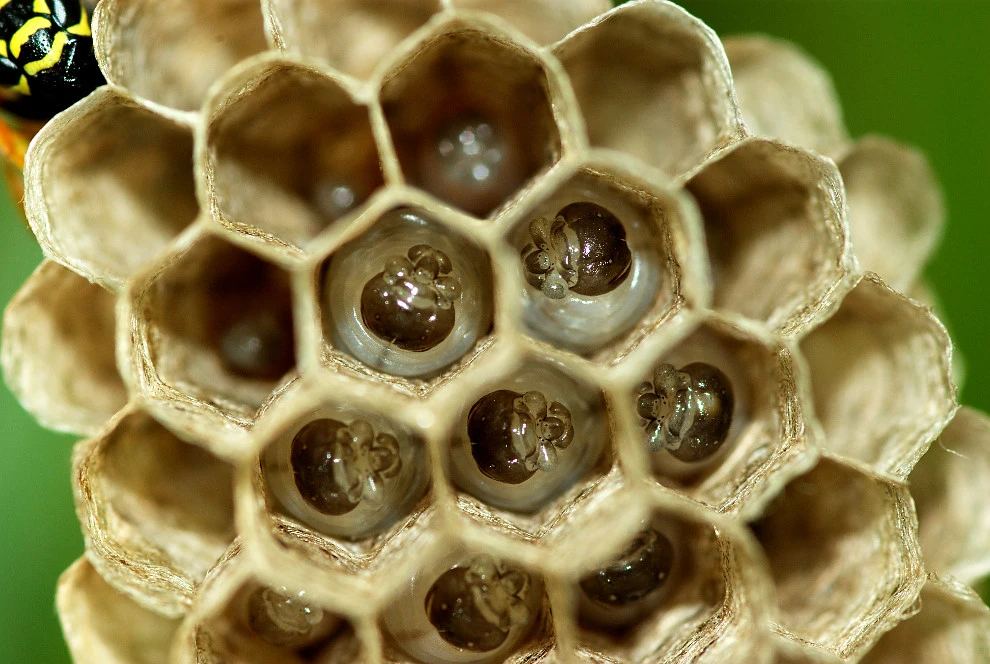
Universities have begun responding as well. Washington State University said on March 25, 2025, that honey bee colony declines were growing as its researchers worked to fight losses. The Honey Bee Veterinary Consortium also says Colorado State University launched a first honeybee veterinary science course, a sign that bee health is moving from a specialty concern to a formal part of veterinary education.
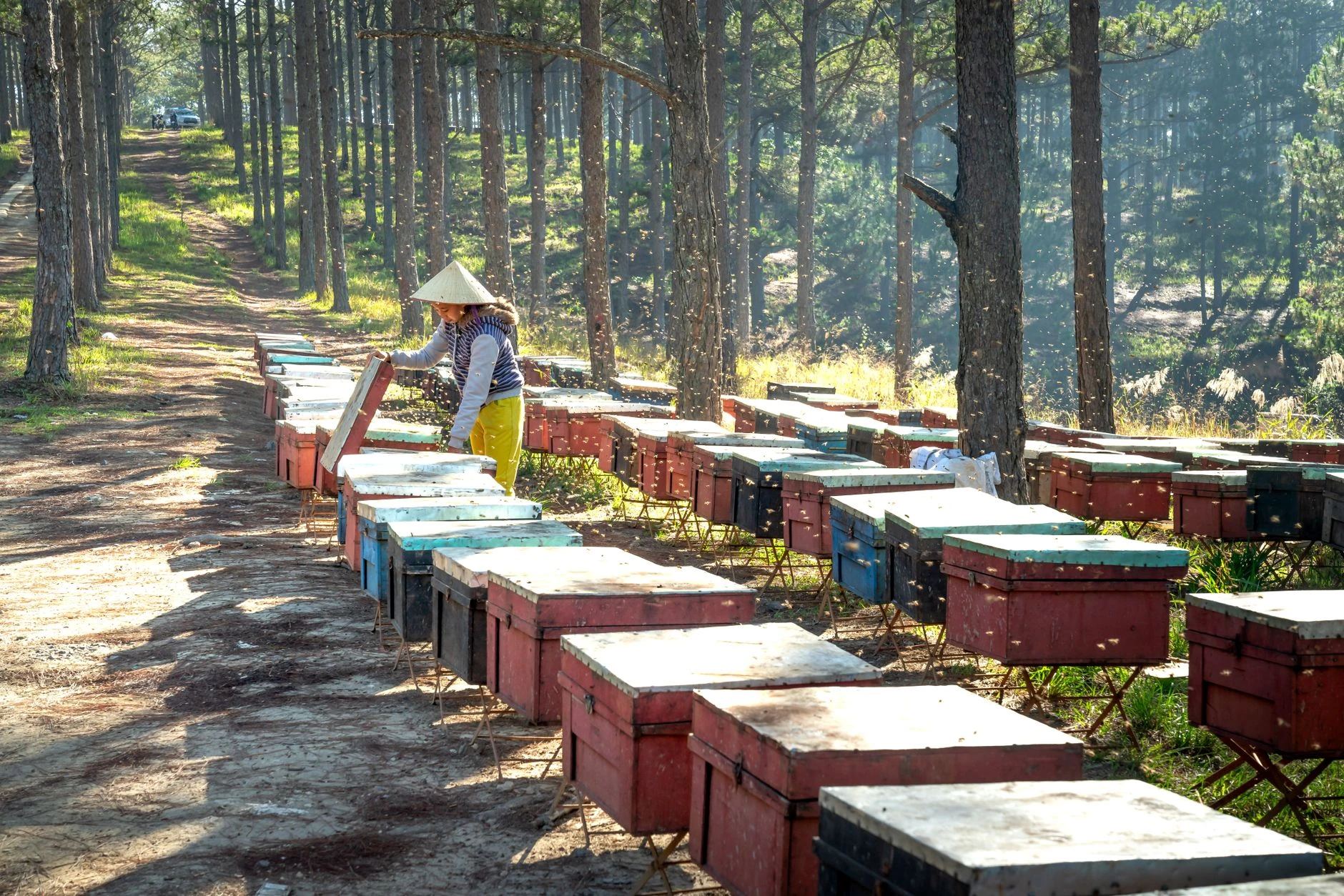
RCVS Knowledge published its veterinary care of honey bees resource on Nov. 30, 2021, and updated it on Oct. 30, 2025, underscoring how the topic has become established in professional circles in the United Kingdom as well. British Bee Veterinary Association and other bee-health groups have pushed evidence-based bee medicine as losses persist, turning bee care into a question of agricultural resilience as much as animal health.
Sources
- [1]nytimes.com
- [2]honeybeehealthcoalition.org
- [3]avma.org
- [4]rcvsknowledge.org
- [5]news.wsu.edu
- [6]hbvc.org
- [7]aaha.org