World
Vice president falsely says Iran gained nothing from oil sanctions relief
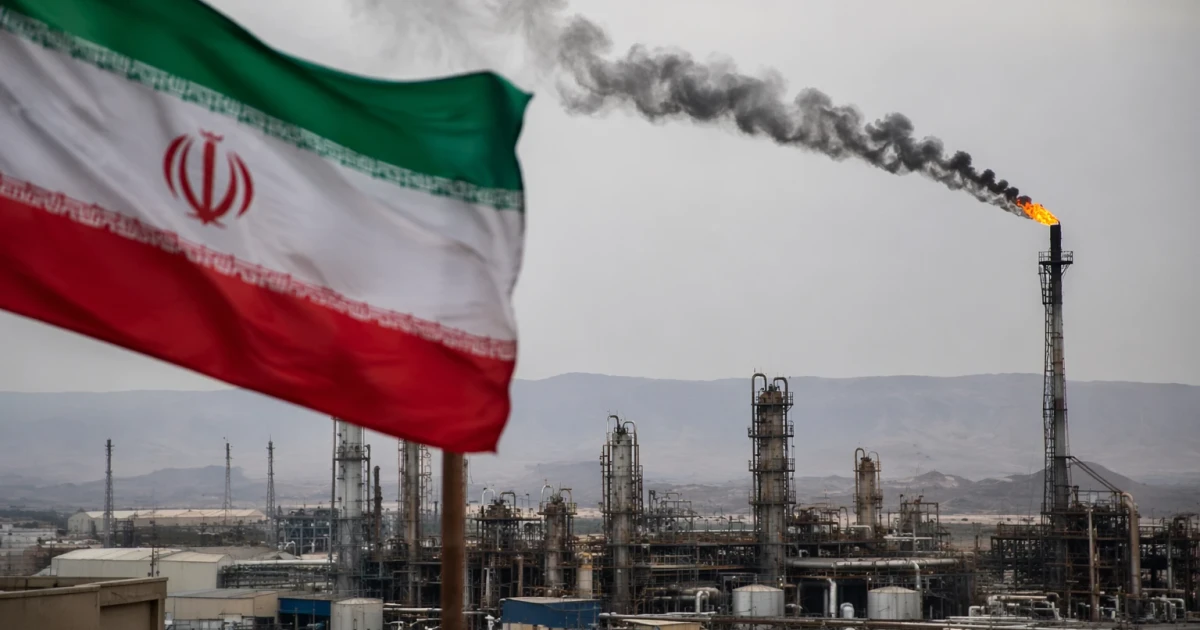
The vice president argued that the United States had leverage to shape the next round of negotiations, but he wrongly said Iran gained nothing from lifting oil sanctions. That claim runs against the public record: sanctions relief has long been one of Tehran’s core demands, and the oil trade remains central to the Iranian regime’s finances.
The United States has restricted activity with Iran under various legal authorities since 1979, after the seizure of the U.S. Embassy in Tehran. The Council on Foreign Relations has said sanctions relief is central to any Iran deal and that the lifting process is complex. In other words, oil sanctions are not a symbolic sideshow. They are one of the main bargaining chips in any nuclear agreement, and they can free up substantial revenue for Tehran if removed.
Recent U.S. actions showed that the pressure campaign is still active. On May 1, 2026, the State Department said a sanctions action targeted a China-based petroleum terminal operator that had imported tens of millions of barrels of sanctioned Iranian crude oil. The department said the network helped enable the flow of billions of dollars to Tehran, and described the move as the 12th round of sanctions targeting Iranian oil sales since NSPM-2 was issued on Feb. 4, 2025.
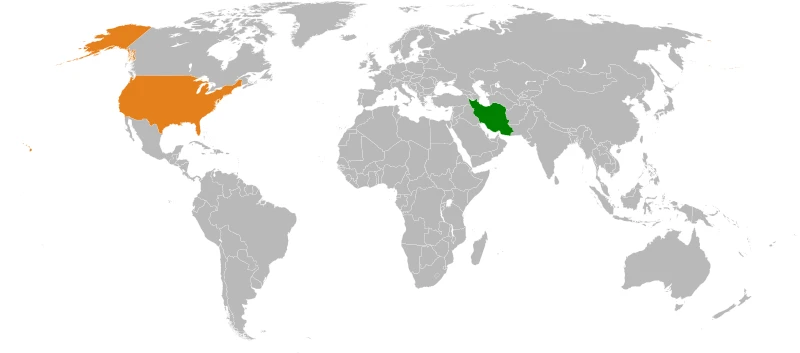
A separate State Department action on May 28, 2026, targeted vessels and companies tied to Iranian petrochemical and oil exports, which the department described as the regime’s primary sources of income. That same pattern appears in the department’s January 2026 report, which said the executive branch imposed sanctions on 135 entities, 154 vessels and 12 individuals connected to Iran’s petroleum and petrochemicals sectors during the reporting period.
The broader history also undercuts the vice president’s framing. In 2015, the Council on Foreign Relations said European Union, United Nations and U.S. sanctions had battered Iran’s economy and helped bring Tehran to negotiations over its nuclear program. That is the leverage problem at the center of the current debate: Washington can try to squeeze more concessions, but it cannot honestly pretend oil sanctions relief leaves Iran unchanged. The record shows the opposite, and Tehran knows it.
Sources
- [1]nytimes.com
- [2]state.gov
- [3]cfr.org