Politics
Victims demand Iran pay restitution before funds are unfrozen
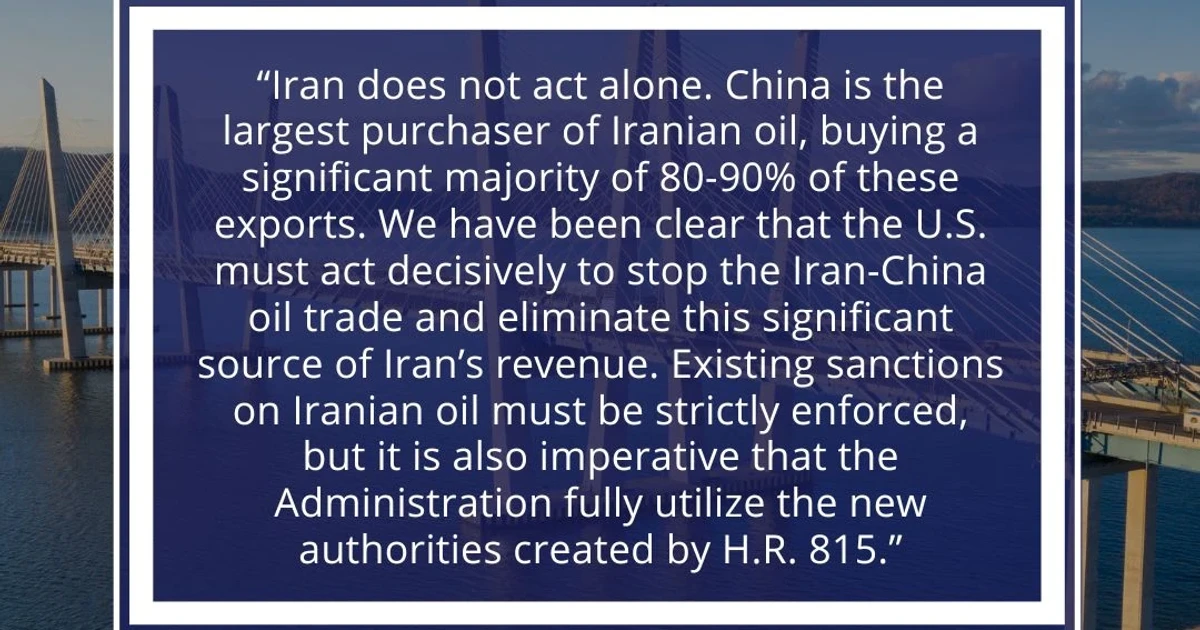
Victims of terrorism are pressing Washington to make restitution a condition of any move to unfreeze Iranian funds, arguing that money cannot flow back to Tehran while court-ordered claims remain unpaid. Rep. Mike Lawler has said any Iran agreement must protect justice for victims, adding fresh political pressure to a dispute that mixes diplomacy, sanctions policy and civil judgments.
The demand rests on a legal framework Congress built for American victims of state-sponsored terrorism. In 2016, the U.S. Department of Justice said it had collected $7 million of Iranian funds for the U.S. Victims of State Sponsored Terrorism Fund, which Congress created to compensate victims of state-sponsored terrorism. That fund has become a central reference point in fights over what should happen to frozen assets tied to Iran and whether those assets should be directed first toward restitution before any broader deal allows their release.
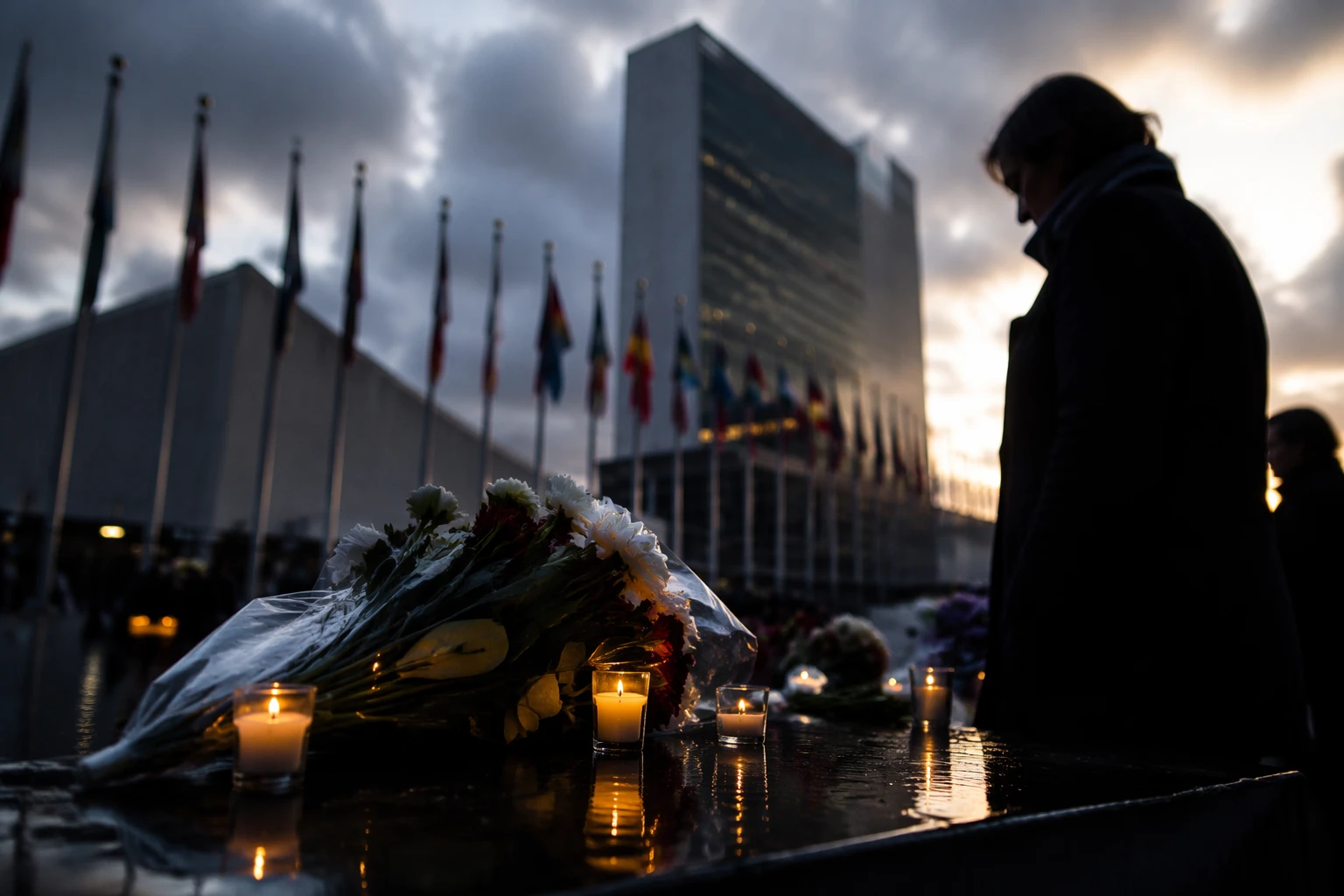
The underlying grievance reaches back to the Iran hostage crisis, when 52 Americans were held in Tehran for 444 days from 1979 to 1981. The Congressional Research Service has noted that the hostages and their families continued to seek significant compensation decades later, underscoring how long the question of reparations has shadowed U.S.-Iran relations. For many victims and their advocates, any new arrangement with Tehran cannot be separated from those unresolved claims.
That concern has also shaped congressional scrutiny of payments and asset transfers involving Iran. A Sept. 8, 2016 House Financial Services Committee hearing, titled Fueling Terror: The Dangers of Ransom Payments to Iran, put the risks of releasing money to Tehran under a microscope. In that debate, the fear was not only that Iranian assets could be used to finance terrorism, but also that victims with valid claims under U.S. law would be left unpaid while funds moved out of reach.
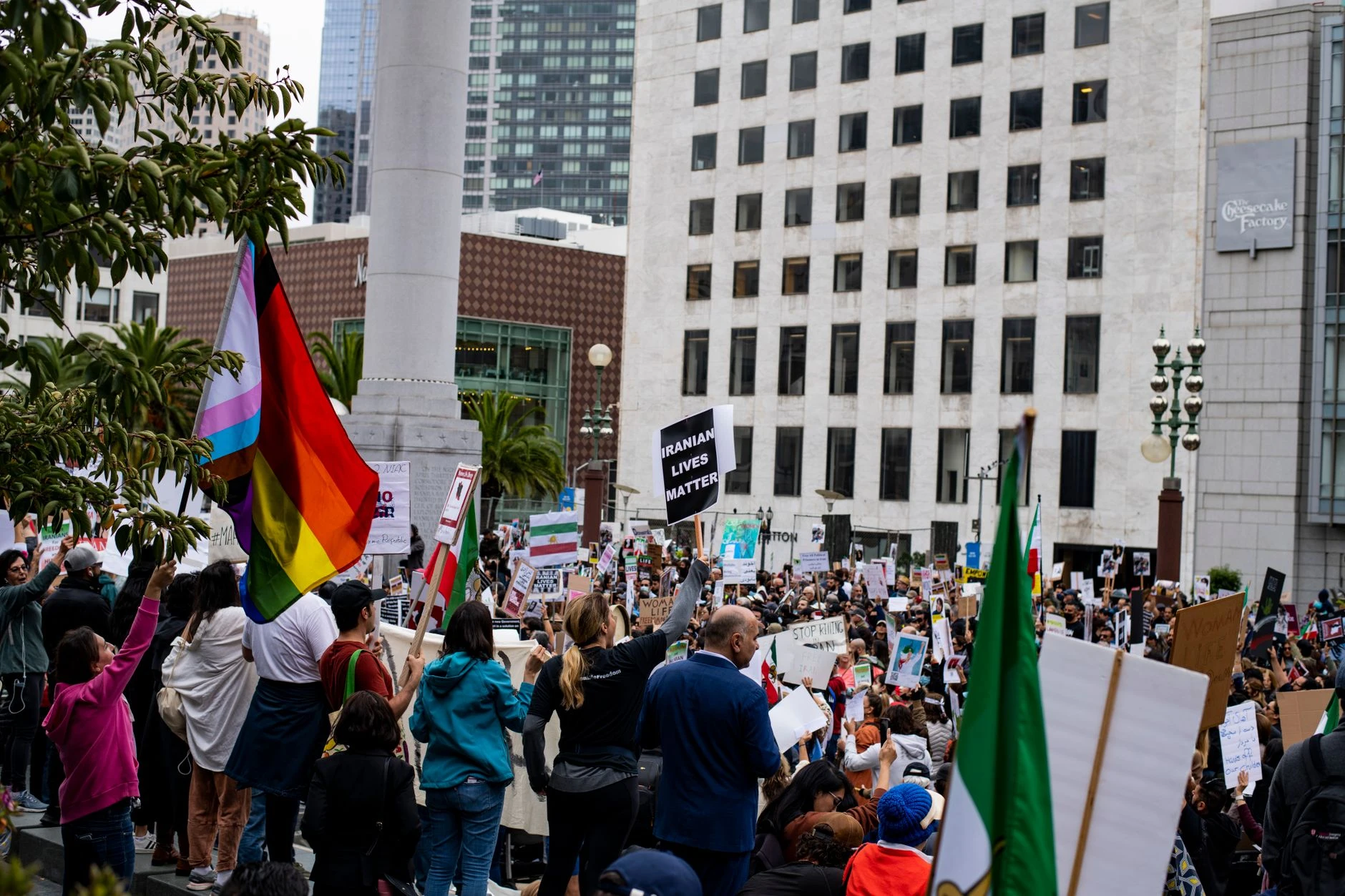
The issue now sits at the intersection of foreign policy and domestic justice. Lawler’s office has framed his position as one of protecting victims first, and that stance reflects a broader view in Washington that any normalization or peace process with Iran could not ignore restitution. Whether frozen funds are eventually released, redirected or held back, the precedent set by the $7 million already collected for the victims’ fund shows that U.S. policy has long treated victim compensation as part of the price of dealing with Iran.