World
Vienna’s public pools offer summer relief with deep civic roots
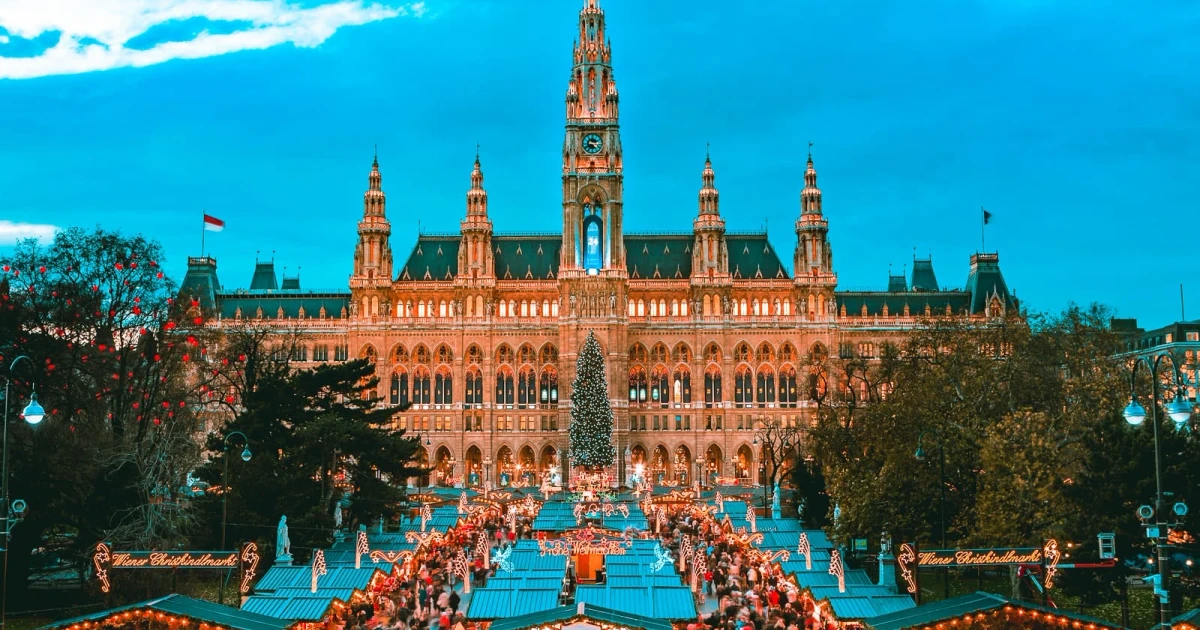
Vienna’s public pools do more than offer a place to swim. They function as summer heat relief, civic space, and a public-health system that brings people into water, shade, and cooler air when the city gets hot. The result is a network that serves laps, family outings, and simple survival on peak summer days.
A bathing system built for public health
The city’s relationship with bathing goes back nearly 2,000 years, when people first used heated stone tubs near a former Celtic settlement. Medieval bathhouses can be traced to the 13th century, which gives Vienna a bathing tradition older than most modern municipal services.
The decisive turn came in 1919, when the Vienna city council approved a large program to build 20 municipal bath facilities. The city’s own history describes that program as preventive public-health policy, and within a decade it helped turn Vienna into a true Bäderstadt. That framing matters now because the same logic still shapes how the city thinks about summer heat, access, and the role of public space.
One of the clearest reminders of that era is the Amalienbad, which sits inside a broader municipal bathing culture rather than apart from it. Vienna’s pools were built as infrastructure, not ornament. That is why the city still treats them as part of daily urban life, not as a seasonal novelty.
How the 2026 season is organized
Vienna’s outdoor-pool season opened on May 2, giving residents and visitors an early start on the warm-weather swimming calendar. The city paired that opening with a new 1-month ticket, online ticketing, new slides, and a trial of extended opening hours. Those changes are practical as much as promotional: they spread demand, make entry easier, and help the system absorb the rush that comes with hot weather.
The city also uses a pool-capacity indicator called the Bäderampel, a traffic-light system that shows which baths still have free space. That kind of live capacity management is unusual for a leisure amenity, but it fits a city where thousands of people head to the pools each summer to cool off and enjoy the season. When demand spikes, the city can steer swimmers toward baths with room rather than forcing everyone into the same entrance line.
Ticketing remains straightforward. Vienna says day tickets, bonus cards, monthly passes, and value cards can be bought at the cash desk. For visitors trying to turn a pool visit into a full afternoon, that flexibility matters as much as the water itself.
Where Vienna sends people in summer
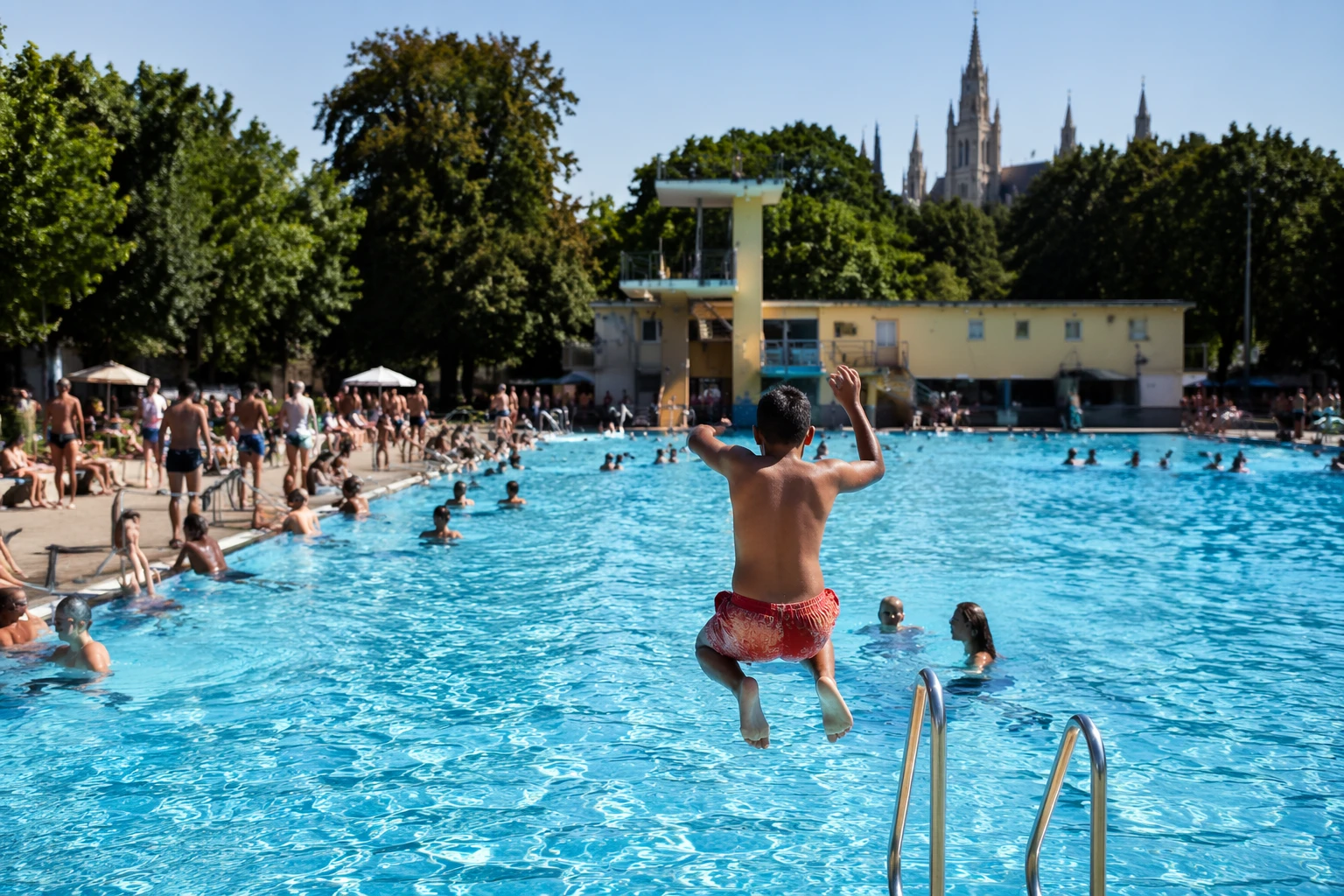
The city’s public-baths system is broad enough to cover outdoor pools, indoor pools, natural bathing sites, family baths, saunas, and swimming courses for children and adults. That range is what makes the system useful in a heat wave: it gives different neighborhoods and age groups different ways to cool down, swim, or simply sit in shade.
Outdoor pools draw the seasonal crowd, while indoor pools extend the public system beyond the hottest months. Natural bathing sites add another layer, especially for people who want to be outside but not necessarily in a standard chlorinated pool. Family baths and swimming courses, for children and adults alike, show that the city treats swimming as a public skill, not only a recreational choice.
The most telling part of the summer scene is not just the water but the social use around it. People come to do laps, but they also come to sit in the shade beneath towering lindens, which turns the pools into places for rest as much as exercise. That mix of use is exactly what makes them valuable during extreme heat, when a city needs more than fountains and advice to stay indoors.
What the price structure says about access
Vienna’s published adult prices underline the city’s effort to keep bathing affordable. The listed entry price is 3.60 euros for a shower bath and 5.40 euros for a tub bath. Those are not luxury-price signals; they are public-service prices designed to keep the door open.
The outdoor-pool price list also includes seasonal cabana, locker, and related rental categories for specific facilities. That detail matters because it shows how the city manages comfort and length of stay, not just admission. A cabana or locker can turn a quick visit into a day-long refuge from heat, especially for families or regular swimmers who need somewhere to change, store belongings, or pause between swims.
Why Vienna’s model stands out
Vienna’s pools are a useful example because they treat heat relief as a civic responsibility. The city has built a system that combines low entry costs, many types of baths, real-time capacity information, and a long institutional history of public health planning. The result is a public amenity that functions like urban infrastructure, not a private club.
That approach is increasingly relevant as cities face hotter summers and longer stretches of dangerous heat. Vienna shows that a strong public-bath network can do several jobs at once: reduce exposure, distribute demand, support exercise, and give people a place to cool down without turning access into a luxury. In that sense, the pools are not an accessory to city life. They are part of how the city keeps itself usable.