World
Vietnam pushes airlines to review Boeing, Pratt & Whitney deals
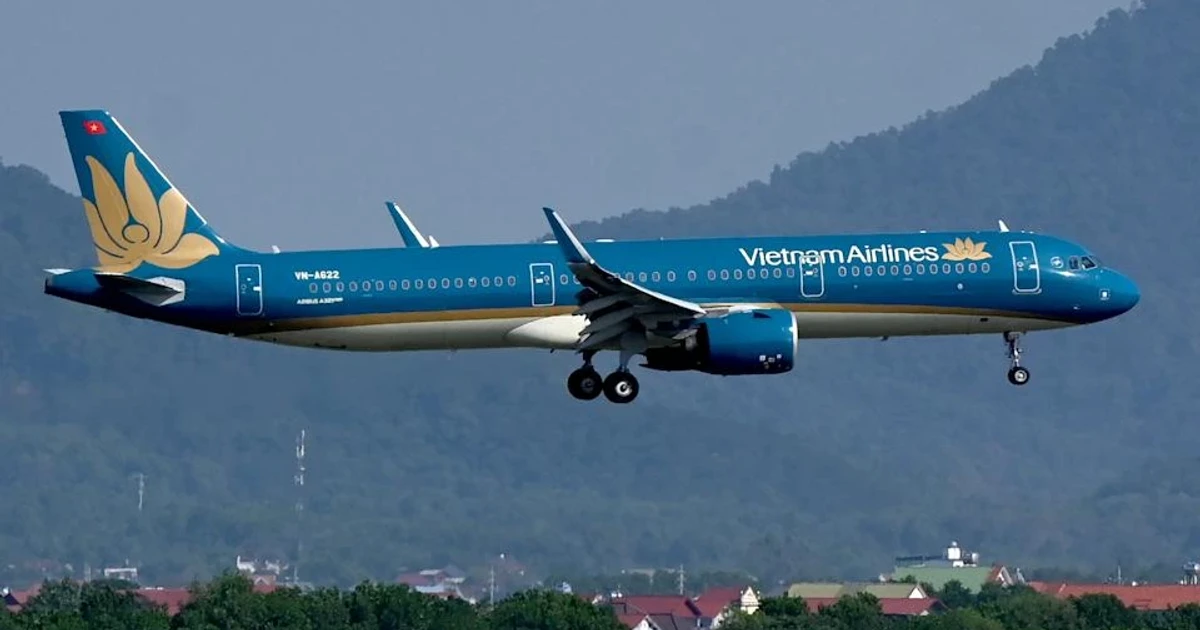
Vietnam has pushed its biggest airlines to review multibillion-dollar aircraft and engine deals with Boeing and Pratt & Whitney, a sign that jet purchases are becoming part of a broader trade negotiation with Washington rather than routine fleet planning. The instruction, issued by the Ministry of Construction on June 5, also calls for more purchases from American companies as Hanoi seeks to ease pressure from a growing U.S. probe.
The timing is telling. The U.S. Trade Representative opened a Section 301 investigation on March 11 into structural excess capacity and production in manufacturing, then launched a Vietnam-specific Section 301 case on May 29 over intellectual property protections and enforcement. On June 4, Vietnam’s foreign ministry said Washington’s conclusion that it had failed to curb trade in goods made with forced labor did not fully or accurately reflect its efforts.
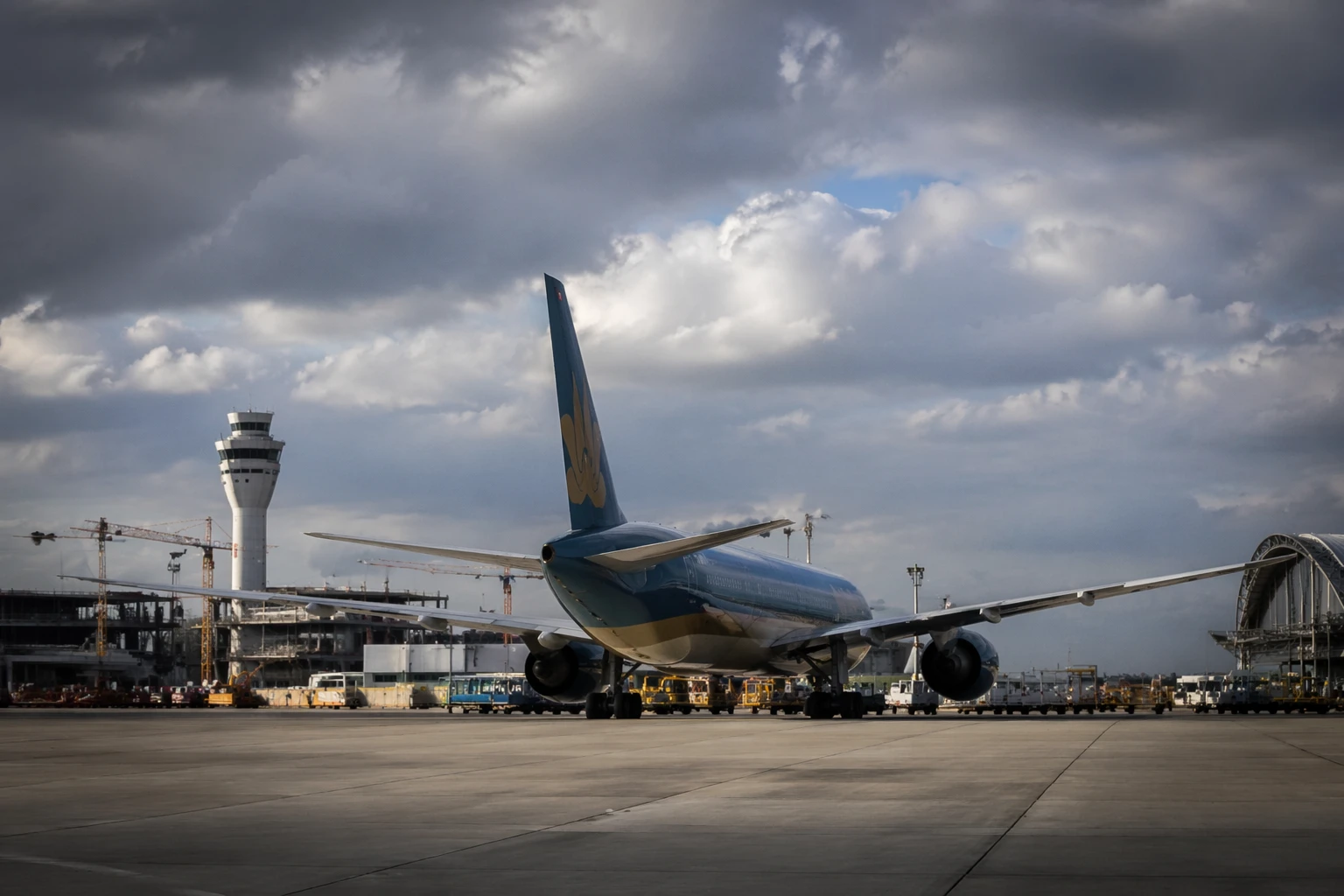
That backdrop helps explain why aviation has become a diplomatic pressure point. In February, Vietnamese airlines announced aerospace contracts worth about $14.4 billion, including roughly $8.1 billion in Boeing orders. Reuters also reported that Vietnam Airlines, Vietjet Air and Sun PhuQuoc Airways had signed agreements totaling nearly $30 billion for 90 Boeing aircraft, underscoring how large the U.S.-Vietnam aviation lane has become.
Vietjet added to that momentum on February 4 by selecting Pratt & Whitney engines for 44 additional Airbus A320neo-family aircraft, bringing its total to 137 GTF-powered aircraft. Deliveries were set to begin in July 2026. Together, those deals show that Vietnam already has a substantial commercial pipeline tied to U.S. aerospace suppliers, even before the latest directive to revisit the terms.
For Hanoi, the question is whether these purchases are being driven mainly by airline economics or by state strategy. Vietnam’s export-led growth model depends on smooth access to foreign markets, and the current trade scrutiny threatens a system built on manufacturing, foreign investment and stable U.S. demand. By signaling that airlines may accelerate or expand U.S. orders, officials appear to be using commercial contracts as a bargaining chip in a wider effort to keep friction with Washington from spilling into the broader economy.
The move also reflects how industrial policy and diplomacy are increasingly intertwined. In Vietnam’s case, the biggest aircraft deals are no longer just fleet decisions. They are now part of the country’s defense against a more confrontational trade climate in Washington.
Sources
- [1]money.usnews.com
- [2]ustr.gov
- [3]usnews.com
- [4]vietjetair.com
- [5]cnbc.com
- [6]bssnews.net