World
Vietnam starts building its largest homegrown anti-submarine warship
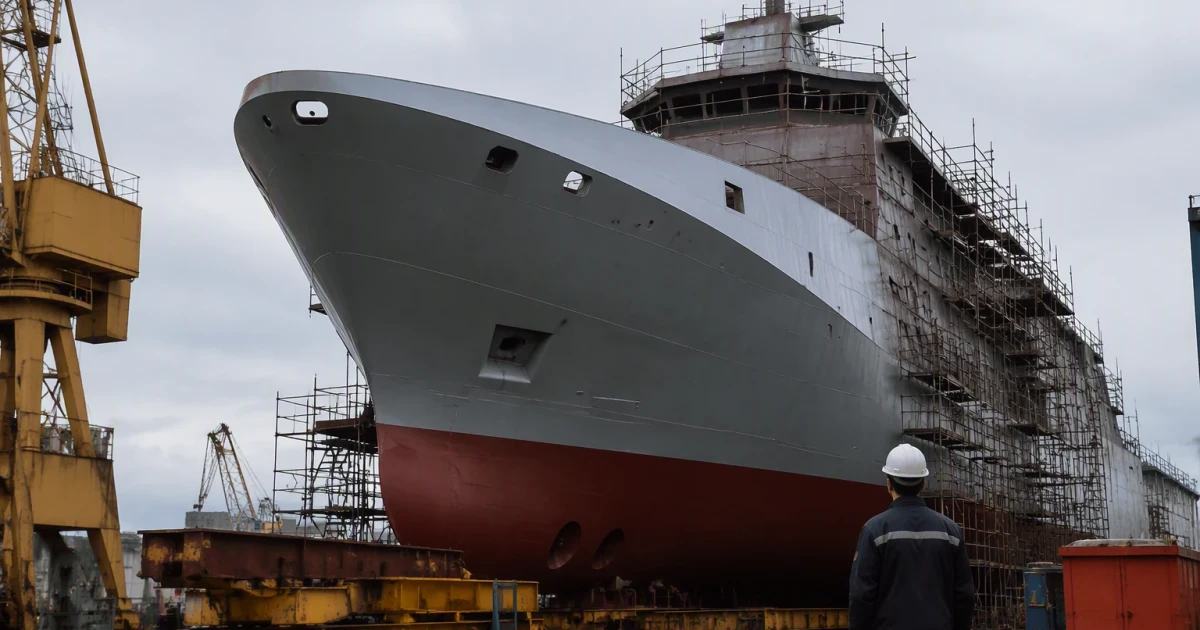
Vietnam began building its largest domestically made anti-submarine warship in the central coastal city of Da Nang on Aug. 10, a project aimed at sharpening the Vietnam Navy’s ability to hunt submarines in disputed waters. The new multi-purpose frigate is being assembled at Song Thu Shipyard and is expected to take 36 months to complete.
Deputy Minister of Defence Senior Lieutenant General Pham Hoai Nam attended and directed the ceremony, which was held by Song Thu Corporation in coordination with naval and defense units. Vietnamese coverage described the vessel as the largest and most advanced warship ever built domestically, and said most of its weapons and military equipment will also be made in Vietnam.
The build fits Hanoi’s wider effort to expand domestic defense manufacturing and reduce dependence on imported military hardware. That push matters in anti-submarine warfare, one of the most technically demanding fields in naval combat, because the mission is not simply to sail and patrol but to detect, track and counter submarines built to move quietly and threaten shipping lanes, naval assets and territorial waters.
The strategic value is clearest in the South China Sea, where Vietnam faces persistent maritime pressure and where underwater threats can complicate patrols, resupply routes and surveillance. A homegrown anti-submarine frigate gives Hanoi another layer of maritime security and signals that it wants a more serious naval role in a region where several states are modernizing fleets and stretching their defense industries.
The project also carries industrial meaning. Building a large warship at home requires shipbuilding skill, local suppliers and sustained defense investment, not just a one-off launch ceremony. It can deepen Vietnam’s self-reliance while creating a platform for future cooperation with partners that want a stronger Vietnamese role in regional security.
For China, a more capable Vietnamese anti-submarine fleet adds another variable to maritime planning in contested waters. For Vietnam, the ship is both a military asset and a statement that its navy and shipbuilding base are moving beyond coastal patrols toward a more layered posture at sea.
Sources
- [1]reuters.com
- [2]vietnamlawmagazine.vn
- [3]vietnamnews.vn
- [4]vietnam.vn