Politics
Vietnam weighs ban on social media posting for users under 16
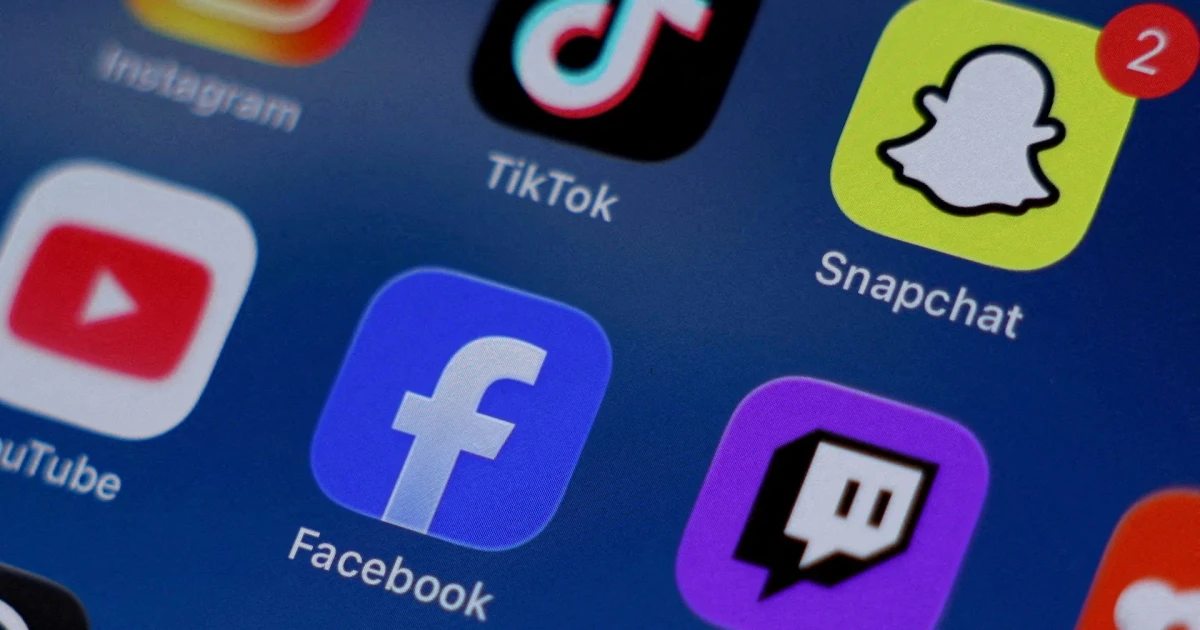
Vietnam proposed barring users under 16 from posting on social networks, a draft move that would let children keep accounts while sharply limiting public participation. The policy tradeoff is clear: tighter child protection against bullying, scams and manipulation, but much harder enforcement across platforms built for fast, public sharing.
The draft would require parental registration or supervision for child accounts and stronger age verification. In some versions, the limits would extend beyond posting to commenting and reacting as well. The plan also reaches online gaming for users under 16, with mandatory account verification and enhanced parental oversight built into the rules. Meta and TikTok have objected to the proposal.
That design puts the burden on both platforms and families. Companies would need to verify ages more aggressively, separate minor accounts from adult ones and block public interaction at the point of upload, not just at sign-up. Parents would be pulled into account registration and ongoing supervision, turning the home into part of the enforcement system.

Vietnam is not moving alone. The European Commission published an age-verification recommendation in April, and some European lawmakers have pushed for tougher limits on children’s access to social media. In the United States, at least 20 states have enacted laws touching minors’ social-media access, addictive feeds or age-appropriate design. Australia passed a bill in November 2024 to ban social media for children under 16, with fines of up to AU$50 million for platforms that fail to comply. New Zealand Prime Minister Christopher Luxon proposed a similar under-16 ban in May 2025.
Vietnam’s approach is narrower than a total ban because under-16s could still hold accounts. That makes the policy more dependent on age checks, moderation systems and account-level controls, while also giving authorities another layer of oversight in a country already known for close regulation of its digital sphere. If adopted, the decree would test whether governments can restrict children’s posting behavior without driving them into less visible corners of the internet.
Sources
- [1]reuters.com
- [2]aa.com.tr
- [3]vietnamnet.vn
- [4]e.vnexpress.net
- [5]thejakartapost.com
- [6]amp.dw.com