World
Vietnamese police disrupt plan for major online scam centre
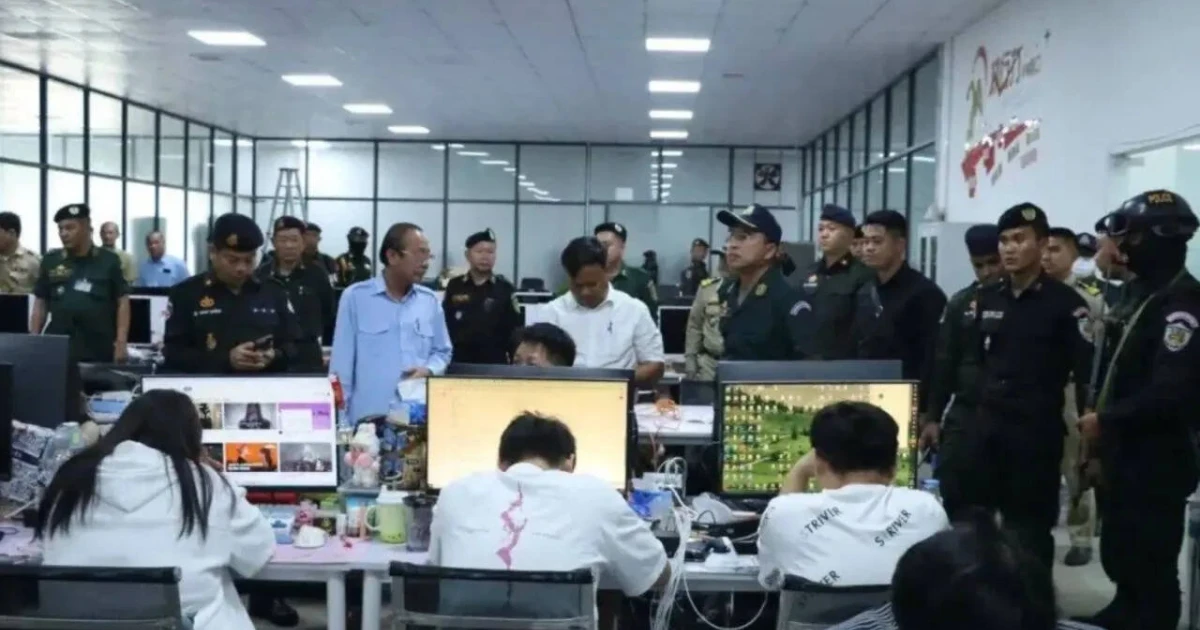
Southeast Asia’s online fraud economy has learned to move fast: when one compound is pressured, operators rent the next hotel, resort or villa and try again across the border. In Vietnam, police in Phu Tho province said they stopped that cycle before it could take hold, disrupting a group suspected of building a large-scale scam centre tied to syndicates already operating in Cambodia.
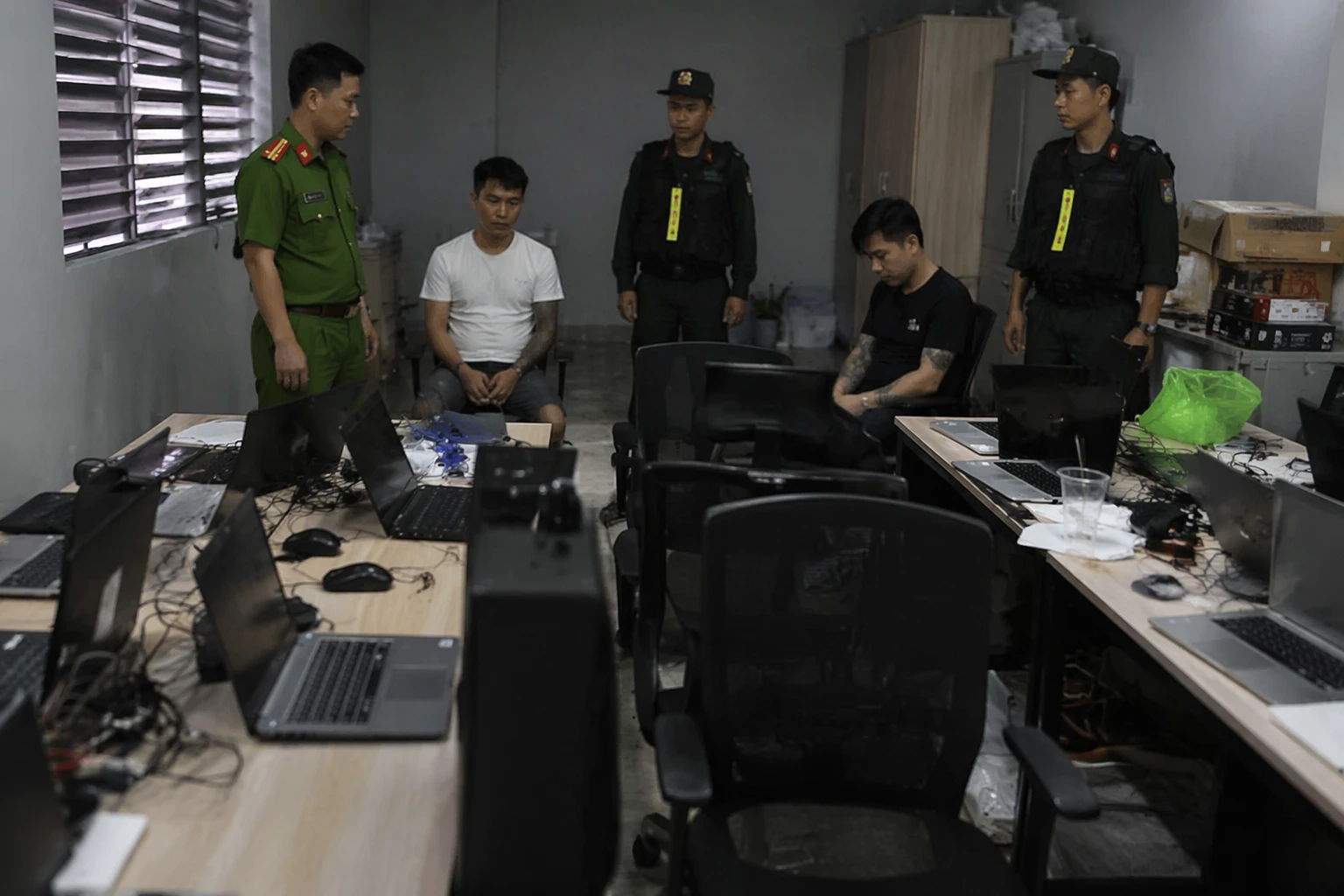
Authorities said the four people arrested were Zhao Wei Zhong, a Chinese national, and Vietnamese suspects Nguyn Thành Long, Trn Th Thu Hưng and Phm Đình Nam. Phu Tho police identified Zhao as the man sent into Vietnam to scout locations, coordinate the operation and arrange accommodation for members of the group relocating from Cambodia. Investigators said the network had rented multiple resorts, farmstays and villas in Hanoi, Lao Cai and Phu Tho to house dozens of people while preparing the site.
Police also seized dozens of computers, hundreds of mobile phones and other internet devices they said were intended for fraud work. The Ministry of Public Security said the intervention prevented the formation of a large-scale transnational high-tech fraud centre in Vietnam, framing the case not just as ordinary crime but as a threat to national security and public assets.
The Phu Tho case fits a broader regional pattern that law enforcement agencies have been chasing for years. Many of the people involved had previously worked at scam centres in Cambodia, according to police, showing how the workforce behind these operations can be recycled from one jurisdiction to another. The United Nations Office on Drugs and Crime has warned that scam compounds in Southeast Asia are spreading and adapting under pressure, shifting into new countries and new business models as authorities close in.
Vietnam has been under that pressure for months. Officials issued a nationwide warning over surging online scams in July 2025, and in March 2026 police reportedly detained 343 suspects repatriated from Cambodia in another fraud-related case. In Ho Chi Minh City, police separately found 83 Chinese nationals in a hotel earlier in the week, allegedly preparing to launch another scam centre, while another local report referred to 85 Chinese nationals and more than 400 electronic devices.
The pattern is stark: these are not isolated raids but a transnational pipeline built on mobility, rented infrastructure and cross-border coordination. With Cambodia still struggling to dismantle suspected compounds, and with human rights groups saying many sites remain active despite crackdowns, Vietnam’s latest case shows how quickly the scam economy can spill into a new address if it is not stopped early.
Sources
- [1]usnews.com
- [2]vietnamnews.vn
- [3]news.tuoitre.vn
- [4]thestar.com.my
- [5]unodc.org