Entertainment
Village People frontman Victor Willis dies after short illness
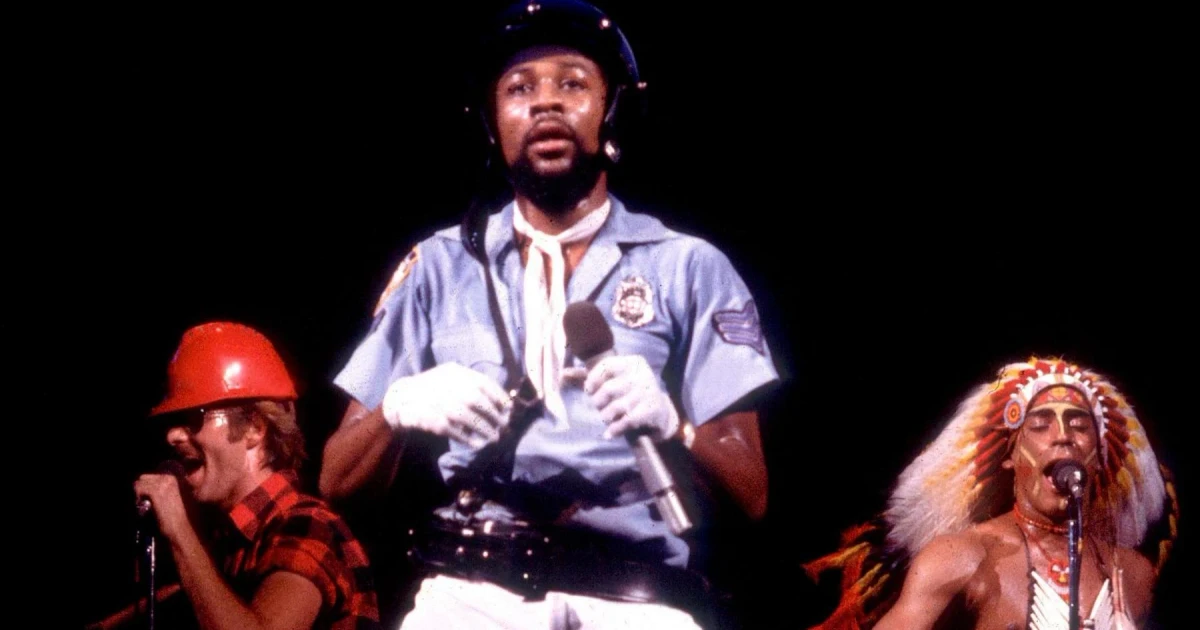
Village People said Wednesday that frontman Victor Willis died Monday, June 30, after a “short but aggressive illness” and asked for privacy. Willis was 74, and his death removes the man whose voice and writing helped turn Village People from a late-1970s disco novelty into one of pop’s most durable crossover acts.
Willis’s public image was often bound up with the group’s costumed look, but his role ran much deeper than the outfit. Official Village People history says the project began in 1977, when producers Jacques Morali and Henri Belolo recruited Willis after he had worked as a singer on another session. The group released its debut album that same year, and Willis became the lead voice and a principal writer on the songs that defined the act’s sound and reach.
He co-wrote many of Village People’s best-known tracks, including “Macho Man,” “In the Navy” and “Go West,” along with “Y.M.C.A.” Official Village People material identifies him as the voice on the original 1978 video for that song, the one that fixed his performance in the public memory even as the record took on a life of its own. The tension between the group’s novelty image and Willis’s actual creative role has long been central to its story: the spectacle drew attention, but the hooks and vocal identity came from Willis.

The scale of that success was extraordinary. The Library of Congress says Village People sold more than 100 million records in the late 1970s and early 1980s, scored three top 10 pop hits and four top 20 dance and club hits, and sold out Madison Square Garden twice. The group also appeared in the 1980 film “Can’t Stop the Music,” a marker of how far the Village People brand had travelled beyond disco clubs and into mass entertainment.
“Y.M.C.A.” outlasted its original era by decades. Its chorus became familiar far beyond the late-1970s scene that produced it, crossing into sporting events, parties and public singalongs as a communal anthem. Rooted in the imagery of New York City’s Greenwich Village and the broader gay club culture that helped shape Village People’s identity, the song became a staple for generations that were not yet born when it first hit the charts.
Willis leaves behind a legacy built on both image and authorship, but the lasting credit belongs to the songs, the voice and the architecture of a sound that still reaches well beyond disco.
Sources
- [1]bbc.co.uk
- [2]villagepeople.com
- [3]loc.gov
- [4]pagesix.com
- [5]uk.news.yahoo.com
- [6]yahoo.com