Sports
Vinicius Junior leads Brazil's bid for a sixth World Cup title
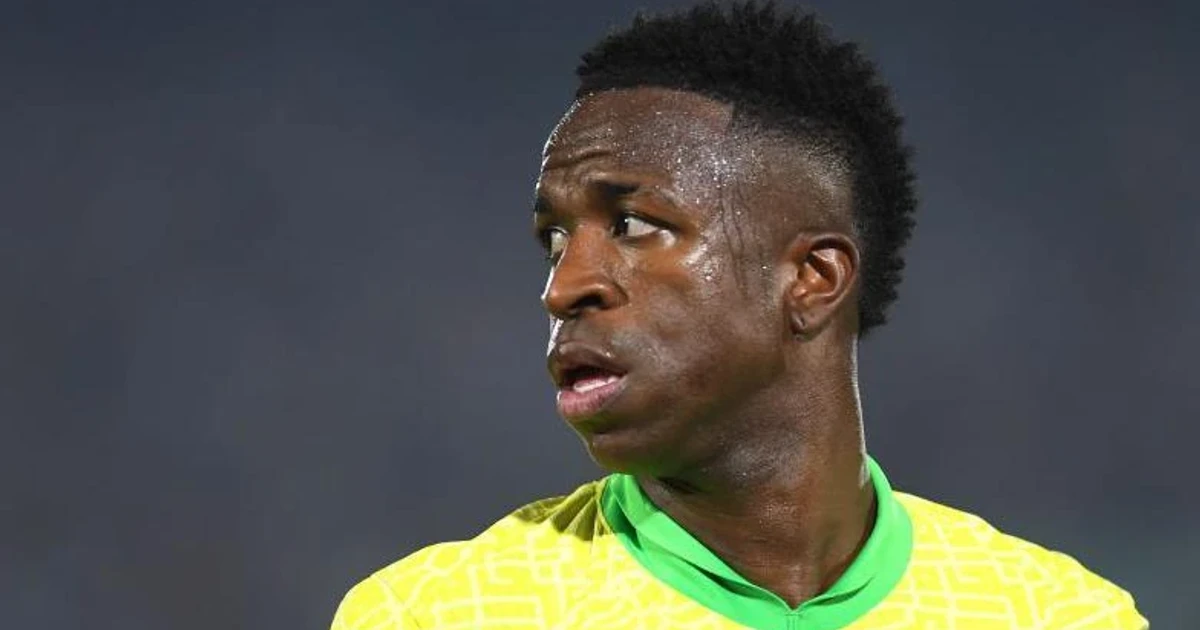
Vinicius Junior arrives at the 2026 World Cup carrying a rare kind of burden: he is already adored in club football, but Brazil wants more than admiration. The Seleção are chasing a record-extending sixth World Cup title and trying to end a 24-year wait for global glory, and Vinicius has been cast as the face of that mission. The real question is whether his brilliance at Real Madrid is enough to win over a country that measures its icons by what they do in yellow, not only in white.
A star with something left to prove
FIFA has framed Vinicius as one of the game’s biggest stars heading into the tournament, and the case for that status is easy to make. He has played more than 300 matches for Real Madrid, produced more than 200 goal contributions, won The Best FIFA Men’s Player award for 2024, and on 16 April 2025 reached 105 goals for the Spanish club, passing Ronaldo to become the highest-scoring Brazilian in Madrid’s history. On paper, few players arrive with a stronger résumé.
Yet Brazil has never been a team that hands out trust purely on club form. Vinicius is being evaluated against a different standard, one shaped by collective memory, national identity and the long shadow of past legends. That is why his standing inside the country feels more complicated than the acclaim he receives in Europe. He is not just being asked to shine. He is being asked to carry symbolism.
Why this World Cup feels different from Qatar
This is Vinicius’s second World Cup, but FIFA describes it as a far more central role than the one he occupied in Qatar in 2022. Back then, he had only just secured a regular place in Brazil’s squad while the team itself was among the favorites. Now he enters the tournament as a central figure, not a promising passenger.
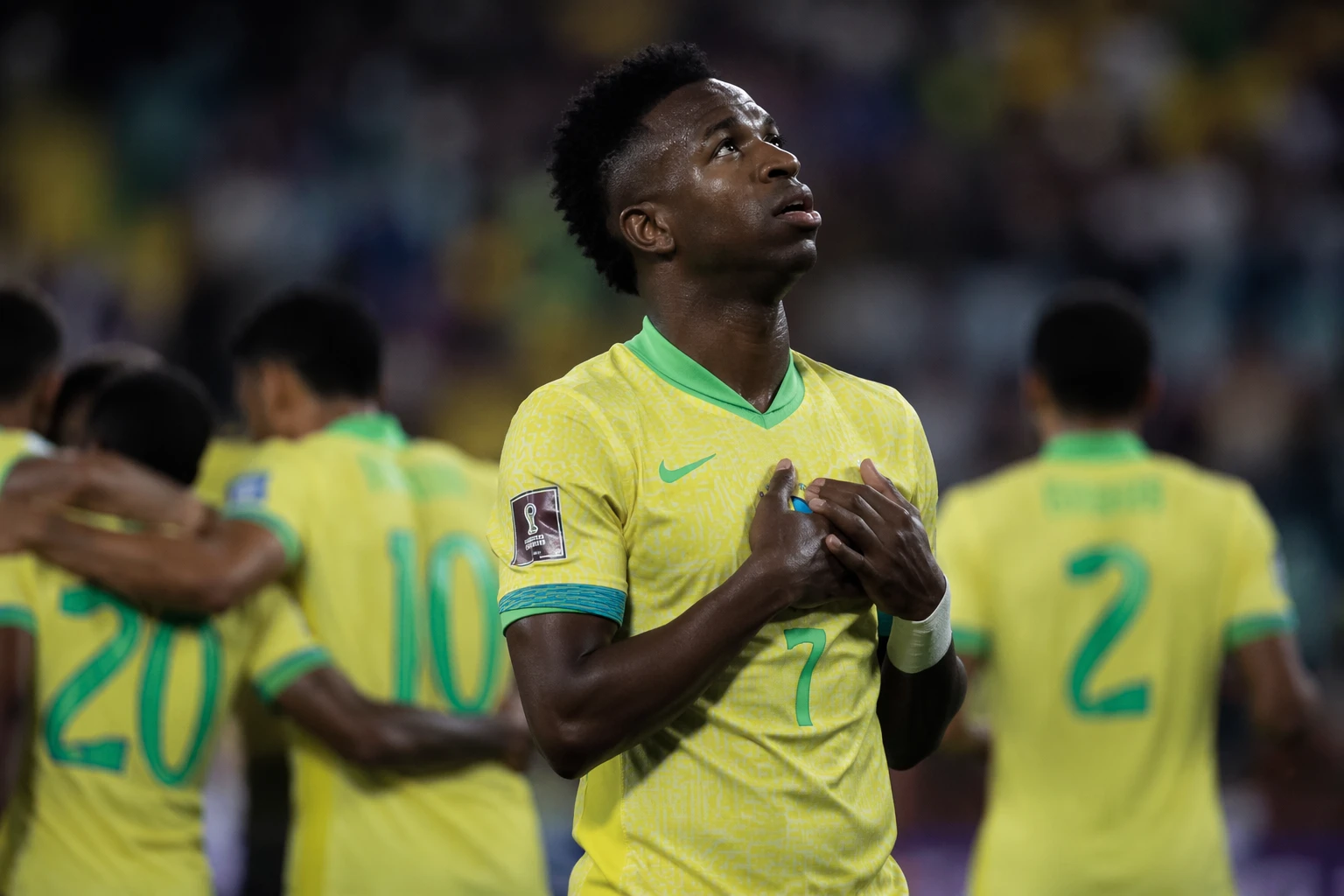
That shift matters because public expectations have changed with him. In April 2026, Vinicius said the pressure is not unusual for him because he has been with the Seleção since he was 19. That comment cuts to the heart of the debate around him. The scrutiny is not only about whether he scores, but whether he can seem settled, authoritative and emotionally attached enough to embody the national project Brazil wants to believe in.
The goals that changed Brazil’s mood
Brazil’s qualifying campaign gave the clearest evidence that Vinicius can be decisive when the stakes are highest. On 11 June 2025, he scored the only goal in a 1-0 win over Paraguay, and that strike sent Brazil to a record-extending 23rd World Cup while giving Carlo Ancelotti a winning start as Brazil coach. It was also the first goal of the Ancelotti era, which made it more than just a match-winner. It became a statement about who would set the tone for Brazil’s next chapter.
A few months earlier, Vinicius had already delivered another late intervention, scoring a 99th-minute winner against Colombia in March 2025 in CONMEBOL qualifying. Those moments matter because they answer the simplest criticism aimed at him: that his club-level excellence has not always been matched by national-team dominance. The late goals are a reminder that he can produce when Brazil need him most, even if the public continues to demand proof that he can do it with regularity.
Club superstardom is not the same as national legitimacy
This is the tension at the center of Vinicius’s story. At Real Madrid, he is already a superstar with global reach, trophies and numbers that place him among the elite. For Brazil, that still does not settle the matter. Fans have long urged him to translate his club form into performances for the national team, and that demand reflects a deeper truth about how Brazil chooses its heroes.
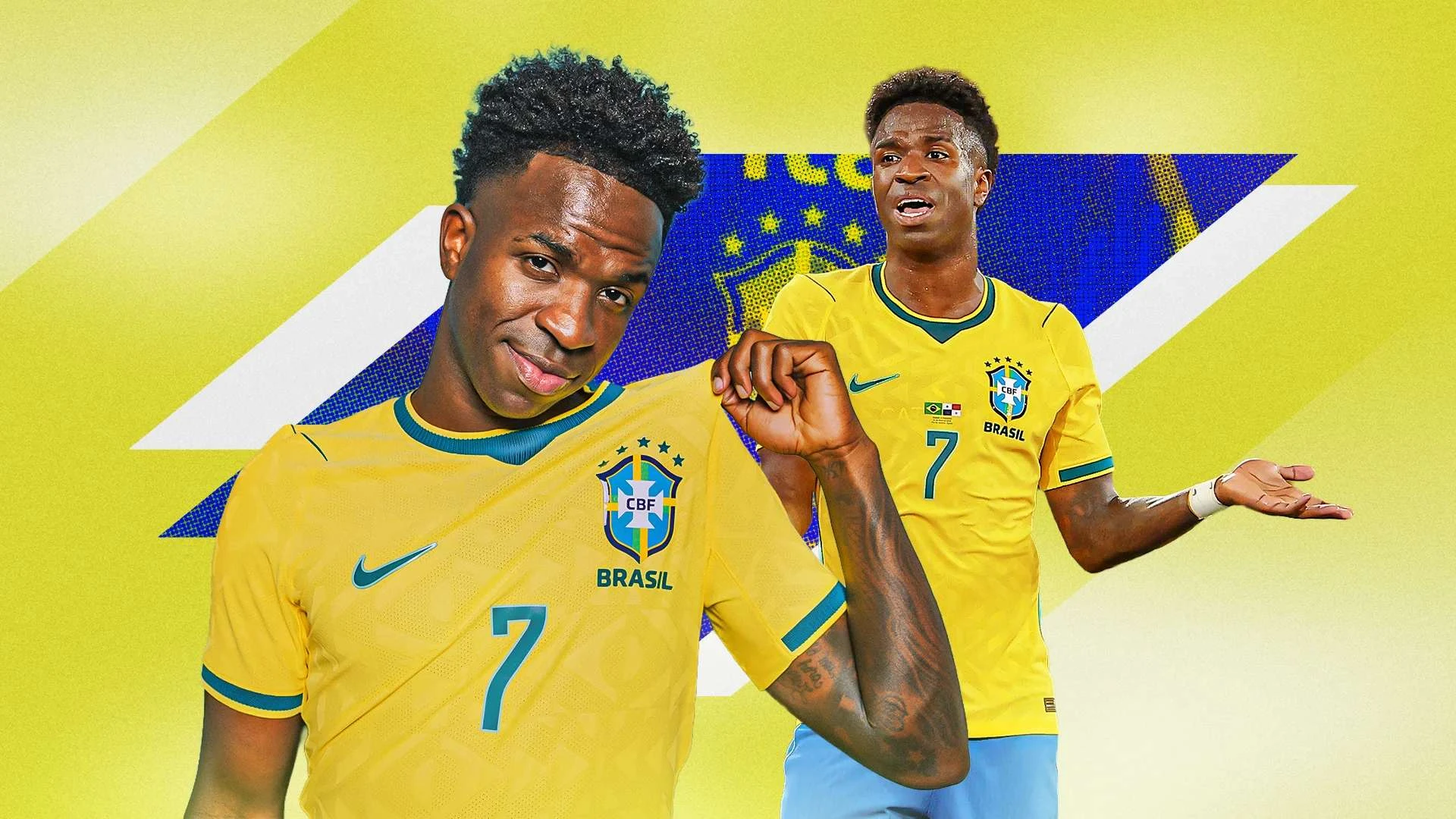
Being loved at one of the world’s biggest clubs can create expectation, but it does not automatically create national legitimacy. The Brazilian public is not merely asking whether Vinicius is excellent. It is asking whether he can become indispensable in the same way the great Brazilian World Cup figures once were. That is a performance question, but it is also a personality question and an expectations question. Brazil wants force, but it also wants reassurance that its most visible star can carry the emotional weight of the shirt.
The symbolic burden of restoring Brazil’s football identity
FIFA’s own framing of Vinicius goes beyond statistics. It presents him as a leading symbol of Brazilian football’s style, saying he embodies Jogo Bonito and could help Brazil reclaim their place at the top of world football. That language reveals the scale of the assignment. Vinicius is not only supposed to score goals. He is supposed to represent continuity with a national myth that stretches far beyond any single player.
That is why his World Cup story cannot be reduced to club-versus-country comparisons alone. Brazil are trying to restore a sense of authority after 24 years without a title, and in that process Vinicius has become a proxy for something larger than himself. If he thrives, he can help turn Real Madrid stardom into national faith. If he struggles, the criticism will not be about talent alone. It will be about whether Brazil can still find in its brightest players the identity it believes should define them.
The stakes are clear. Brazil need results, but they also need a figure who can turn admiration into belief. Vinicius Junior now has the chance to show that being one of football’s biggest stars is only the beginning of what Brazil requires from its leader.