Technology
Vintage computers gain appeal as AI makes tech feel opaque
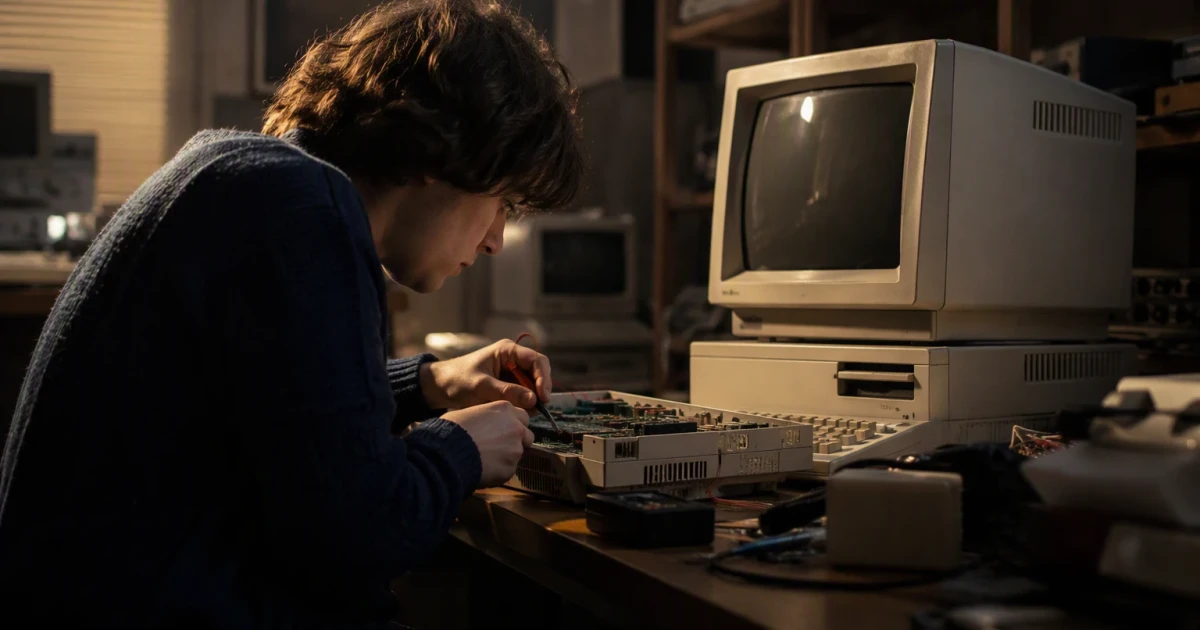
Vintage computers are finding new admirers for a simple reason: they feel knowable. In a tech world dominated by cloud services, hidden software and AI systems that run far from view, older machines from Commodore, Apple and IBM offer screws, circuit boards and limits people can actually see.
Why older machines feel legible
The appeal of early personal computers goes beyond decoration. For collectors and hobbyists, a machine from the early computing era is a physical object that can be cleaned, modified and revived, not a sealed product whose most important functions happen somewhere else in a data center. That matters to users who are wary of algorithmic feeds, subscriptions and devices that cannot be inspected or repaired without permission.
These systems also reflect a different philosophy of computing. Their constraints were clearer, their software boundaries more obvious, and their hardware easier to trace from input to output. For some younger users, that makes an old computer educational as well as charming: the machine teaches how computing works by forcing the user to work within its limits.
What collectors are looking for
The fascination is not limited to nostalgia for beige plastic and green text screens. Many collectors prize old machines for their design, their place in computing history and the challenge of bringing them back after years in storage. A restored computer becomes both artifact and functioning tool, which is part of why vintage systems now appear in museums, clubs and festival halls rather than only on shelves.
One of the most visible examples is the 1981 Commodore SP9000, better known as the Super PET, which was shown at the Vintage Computer Festival in Mountain View, California. Its presence captures what draws people in: the combination of rarity, repair work and historical specificity. A machine like that is not admired in the abstract, but as a piece of hardware with a clear lineage and a clear set of components.
The festival circuit keeps the scene alive
The modern vintage-computing world has its own infrastructure. The Vintage Computer Festival was founded on the West Coast in 1997, and the Vintage Computer Federation says its mission is to preserve computing history through education, outreach, conservation and restoration. That mission shows up in events where people trade parts, compare restoration techniques and show off machines that have been rebuilt from the inside out.
The calendar is active across the country. VCF Pacific Northwest was held May 2-3, 2026 at the Tukwila Community Center in Tukwila, Washington, while VCF Midwest 21 is scheduled for September 12-13, 2026 at the Schaumburg Convention Center in Schaumburg, Illinois. VCF Southeast 2026 is set for July 31-August 2 in Atlanta, alongside the Southern-Fried Gaming Expo, where vintage hardware shares floor space with broader gaming culture.
These gatherings usually mix generations. Older attendees often remember using the machines when they were new, while younger visitors discover them as objects they can understand without an app store, account login or software update. The result is part hobby, part history lesson and part critique of where consumer technology has gone.
The numbers behind the nostalgia
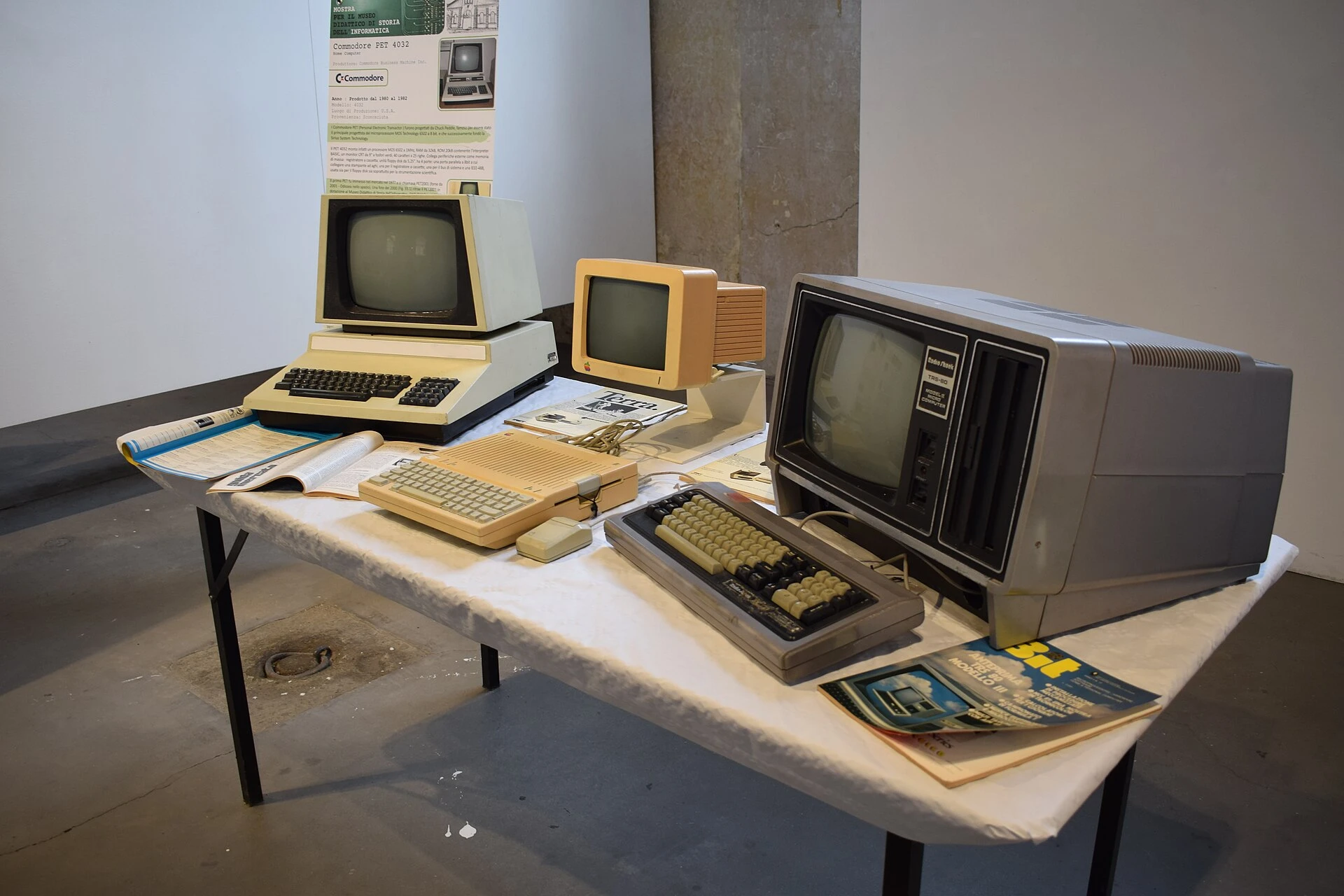
The Commodore 64 remains the clearest example of why old hardware still commands attention. Released in August 1982, it went on to sell close to 17 million units over its lifetime, making it the best-selling single personal computer model of all time, according to the Computer History Museum. The museum also says roughly 10,000 commercial software titles were developed for the machine, a scale that helps explain why it still has an unusually broad following.
That kind of installed base matters because it created a lasting ecosystem of software, parts and memory. A platform that sold in the tens of millions can support retro coding projects, hardware restoration and collection markets decades later. It also gives younger users a concrete entry point into the history of personal computing, since the Commodore 64 sits at the intersection of mass-market success and technical limitation.
Restoration is part of the appeal
Vintage computing is as much about labor as it is about sentiment. The Computer History Museum’s restoration projects began in 2003 with the DEC PDP-1 and IBM 1401 systems, the PDP-1 was restored by 2005, and two IBM 1401 systems were restored by 2010 by volunteer engineers. Those dates show how much work is required to bring old systems back to life, especially when parts are scarce and documentation is incomplete.
That restoration ethic aligns with the broader right-to-repair movement, which argues that consumers should be able to fix products they own and have access to repair information and replacement parts. Vintage machines make that idea tangible because their internals are visible enough to invite diagnosis, not just disposal. The same impulse shows up in repair shops, volunteer labs and maker spaces, where the act of reopening a machine is part of the value.
What the comeback says about AI-era tech
The renewed interest in old computers is not only about retro style. It reflects growing unease with a tech industry that increasingly prizes automation, abstraction and lock-in, often at the expense of transparency and ownership. When a machine can be opened, understood and repaired, it offers a direct contrast to the software-heavy products that now dominate daily life.
That contrast has become sharper as AI has pushed more computing into opaque systems that users cannot inspect. Vintage computers answer with limits, visible architecture and a slower pace of use, which is exactly why they resonate now. They are reminders that many people still want technology that behaves like a tool they can understand, not a black box they must trust.
Sources
- [1]latimes.com
- [2]techxplore.com
- [3]usnews.com
- [4]youtube.com
- [5]ethw.org
- [6]vcfpnw.org
- [7]vcfmw.org
- [8]gameatl.com
- [9]vcfed.org
- [10]computerhistory.org
- [11]repair.org
- [12]pirg.org