Entertainment
Vintage Magnus chord organs still charm bargain hunters and hobbyists

A stripped-down chord organ can still beat a laptop when the goal is to make music fast. Vintage Magnus models keep surfacing for $20 in Los Angeles and $50 in Winston-Salem, and the same boxy buttons that once made them a home instrument now make them a bargain buy and a tinkerer’s project.
Why the chord organ still works
The chord organ was introduced by the Hammond Organ Company in 1950, and Magnus Organ Corporation followed with electric chord organs in 1958. The appeal was obvious from the start: you could play full chords with a single button press, which made the instrument friendly to aspiring singer-songwriters and to anyone who wanted to fool around at home without years of keyboard training.
That basic promise still matters. In an era when music making can involve software menus, plugins and deep hardware setups, a chord organ offers an instant harmonic payoff with very little ceremony. The Magnus format does not ask for virtuosity first; it asks for curiosity, which is why it keeps finding new listeners long after its commercial heyday passed.
The secondhand market is still active
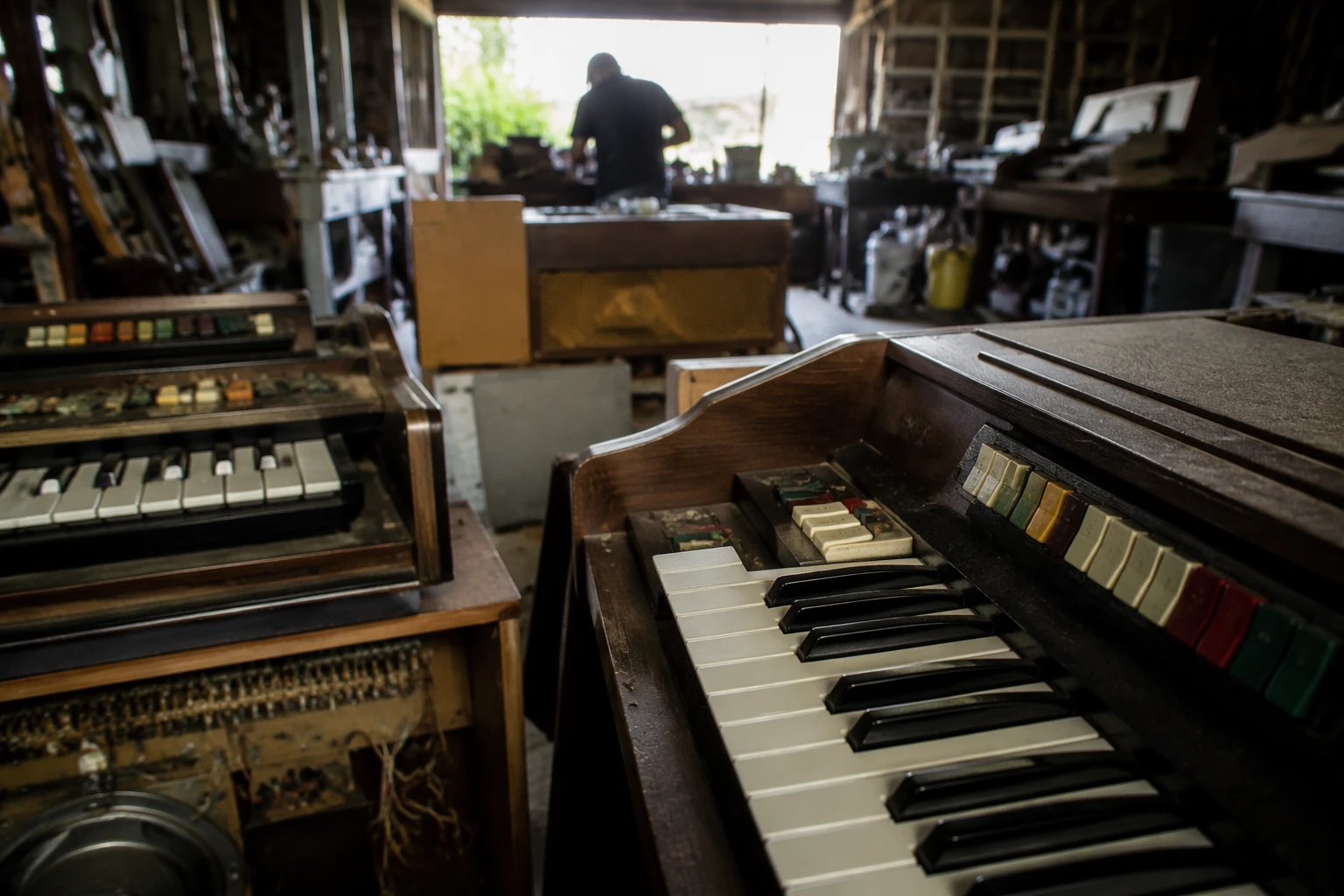
The vintage market around Magnus organs is small, but it is alive enough to keep bargain hunters alert. Recent Craigslist listings have shown a Magnus vintage organ in Los Angeles priced at $20, and a Vintage Magnus Electric Chord Organ WORKS listing in Winston-Salem priced at $50. eBay listings for Magnus vintage organs are still active as well, which keeps the model visible to anyone searching beyond local classifieds.
Those prices help explain the instrument’s enduring draw. At the low end, a Magnus can cost less than a pedal, a software plug-in bundle, or a single replacement part for more modern gear. That makes it easy for buyers to treat the organ as a playable object first and a collectible second, especially when the goal is to get a sound-making machine onto a desk or into a living room with as little risk as possible.
A favorite target for hobbyists and tinkerers
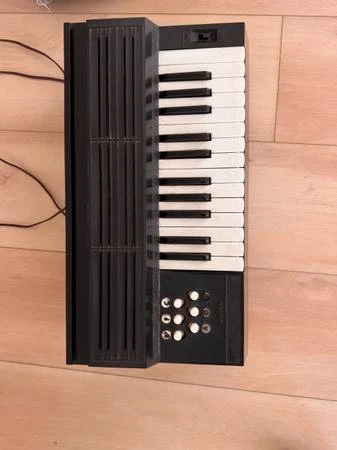
The Magnus is not only a player’s instrument. SparkFun Electronics published a teardown of a Magnus Electric Chord Organ it found at a garage sale, framing the cabinet as a potential project enclosure that could be gutted and repurposed. That instinct says a lot about the instrument’s place in modern gear culture: it is valued not just for what it plays, but for what it can become.
This is where the Magnus overlaps with today’s maker mindset. A chord organ has a self-contained case, a simple control layout and a mechanical feel that invites inspection, repair and modification. For tinkerers, that combination can be more appealing than a pristine digital controller, because the instrument already feels like a finished object even before anyone opens it up.
Nostalgia still does a lot of the work
The emotional pull of the Magnus is easy to trace in old memories. An Organ Forum post describes someone whose mother bought a Magnus chord organ from a local five-and-dime store in the early 1970s, a reminder that these instruments once lived in ordinary retail spaces, not just music shops. Another Reddit commenter recalled children playing a Magnus chord organ and singing the numbers instead of the lyrics, which captures how the instrument taught harmony as a kind of game.
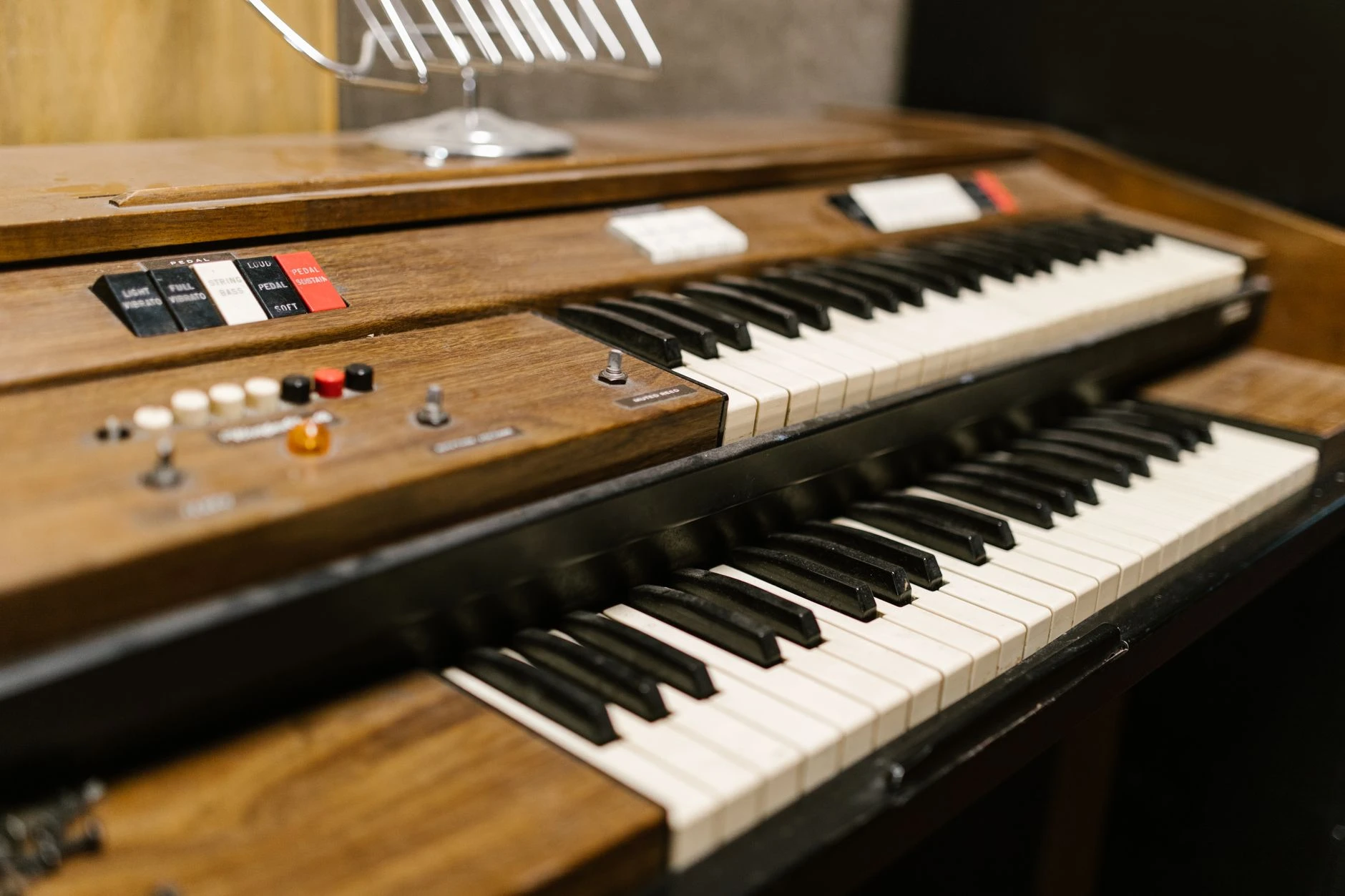
That kind of memory matters in the used market because it gives the instrument a life beyond utility. A chord organ can become a family artifact, a first keyboard, or the thing that taught someone to think in chord shapes before they knew much theory. When those memories surface online, they do more than signal nostalgia; they reinforce why buyers still seek out these boxes even when newer gear offers more voices, more presets and more polish.
Orchid shows the same appetite in modern form
The current fascination with Magnus organs fits a broader shift in music technology. Telepathic Instruments’ Orchid, a chord-generating hardware synthesizer developed for songwriters, producers and musicians, bundles tools such as synthesizers, sequencers, arpeggiators, a chord organ and loopers into one device. That design logic is close to the old Magnus idea: reduce friction, give the player a harmonic shortcut and make it easier to turn an impulse into a song.
Orchid also shows why tactile instruments are resonating with a newer generation of players. When software can feel endless and expensive gear can be out of reach, a dedicated box with immediate feedback has real value. The attraction is not only nostalgia, but relief: fewer decisions, less screen time and a faster path to something musical.
Why the old format keeps finding new buyers
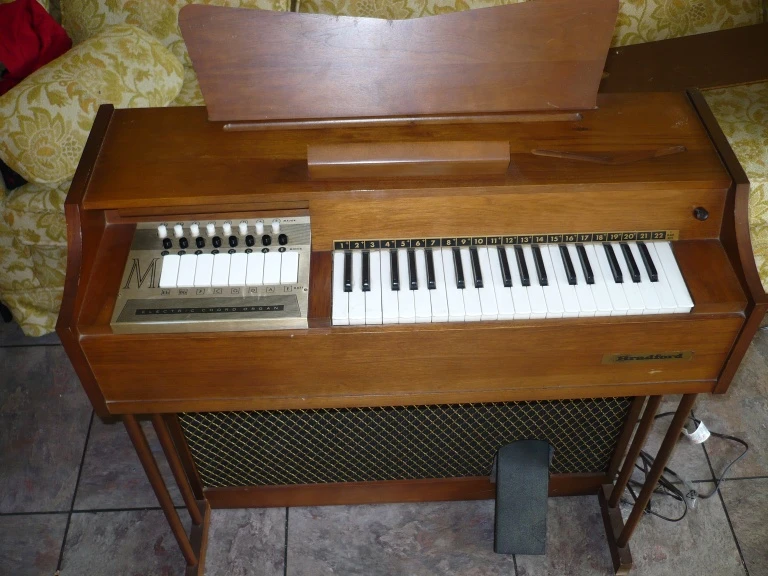
The Magnus chord organ survives because it sits at the intersection of three markets at once. It is cheap enough for the bargain hunter, unusual enough for the collector and simple enough for the hobbyist who wants a project enclosure or a playable curiosity. Add the cultural pull of a five-and-dime memory, the garage-sale thrill of discovery and the modern appetite for fun-first music tech, and the instrument’s staying power makes sense.
A vintage Magnus is not trying to compete with a flagship synthesizer or a crowded software ecosystem. It offers one clear proposition, press a button, hear a chord, and that directness is exactly why it still gets attention.
Sources
- [1]theverge.com
- [2]en.wikipedia.org
- [3]news.sparkfun.com
- [4]craigslist.org
- [5]winstonsalem.craigslist.org
- [6]ebay.com
- [7]organforum.com
- [8]reddit.com