Science
Virgin Galactic Unveils Delta Class Amid Financial Strain
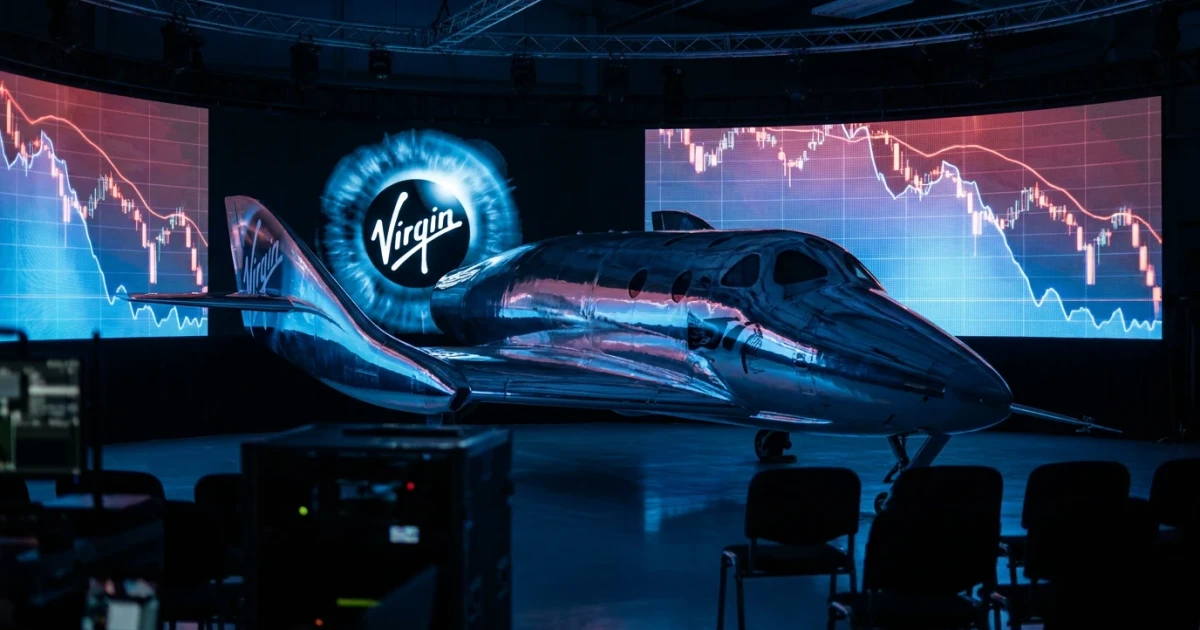
Virgin Galactic has unveiled its highly anticipated Delta class spaceship, marking a milestone in the company's ongoing quest to commercialize suborbital spaceflight for tourists. However, the announcement comes at a precarious time for the company, as data from its latest quarterly report shows mounting financial pressure and a rapidly shrinking cash runway.
Delta Class Spaceship: Technical Leap Forward
The Delta class spaceship, revealed this week, represents a significant technical evolution for Virgin Galactic. According to the company's official product launch, the new vehicle is designed for higher flight rates and improved operational efficiency, with the goal of supporting weekly commercial flights. The Delta class aims to build on the legacy of Virgin Galactic’s previous vehicles by introducing enhancements in design, reliability, and passenger experience.
- Features lighter composite structures for increased durability and performance
- Incorporates lessons learned from earlier Unity and SpaceShipTwo flights
- Targeted for frequent, rapid turnaround between missions
The company asserts that these upgrades will enable Virgin Galactic to serve more customers and achieve the economies of scale needed for long-term viability. For more technical detail, readers can explore the space vehicle’s patent, which outlines the engineering advances incorporated into the Delta class.
Financial Pressures and Cash Concerns
Despite the technological promise, Virgin Galactic’s finances pose a significant hurdle to realizing the Delta class’s potential. As reported by Ars Technica and confirmed in the company’s Q1 2024 SEC filing, the company’s cash reserves have been steadily depleting. Virgin Galactic has faced:
- Consistent quarterly losses due to high operating costs and ongoing R&D investment
- A negative cash flow, with burn rates outpacing incoming revenue from limited commercial flights
- Warnings in official filings about the company’s ability to continue as a "going concern" unless additional capital is secured
Investors and analysts are closely monitoring the company’s investor relations portal for updates on fundraising efforts and operational milestones. Without securing new funding or dramatically increasing flight frequency, the company faces the risk of running out of cash before the Delta class can reach full-scale commercial operation.
Industry Context and NASA Partnership
Virgin Galactic’s efforts take place within a rapidly evolving commercial spaceflight market. The company has a longstanding partnership with NASA, and its profile as a commercial crew partner highlights its role in advancing human spaceflight technologies. However, competitors such as Blue Origin and SpaceX have also accelerated their own offerings, adding pressure on Virgin Galactic to deliver both technical innovation and financial sustainability.
Summary of Key Challenges
- Technical progress: Delta class spaceship offers improved flight capabilities and operational potential
- Financial risk: Cash reserves are dwindling, with ongoing losses and uncertain fundraising outlook
- Market competition: Other private spaceflight companies are making rapid advances
Looking Ahead
Virgin Galactic’s unveiling of the Delta class spaceship is a critical step in its pursuit of profitable space tourism. Yet, as highlighted by Ars Technica and reflected in official filings, the company’s financial challenges threaten to overshadow its technical accomplishments. Stakeholders will be looking for tangible progress on funding, increased flight cadence, and continued partnership with agencies like NASA to determine whether Virgin Galactic can secure its future in a competitive commercial space industry.
For readers interested in further detail, Virgin Galactic’s financial filings and technical updates provide a transparent look at both the promise and the peril facing one of the most visible names in space tourism.