Technology
Virtual reality helps driving instructors prepare students for road hazards
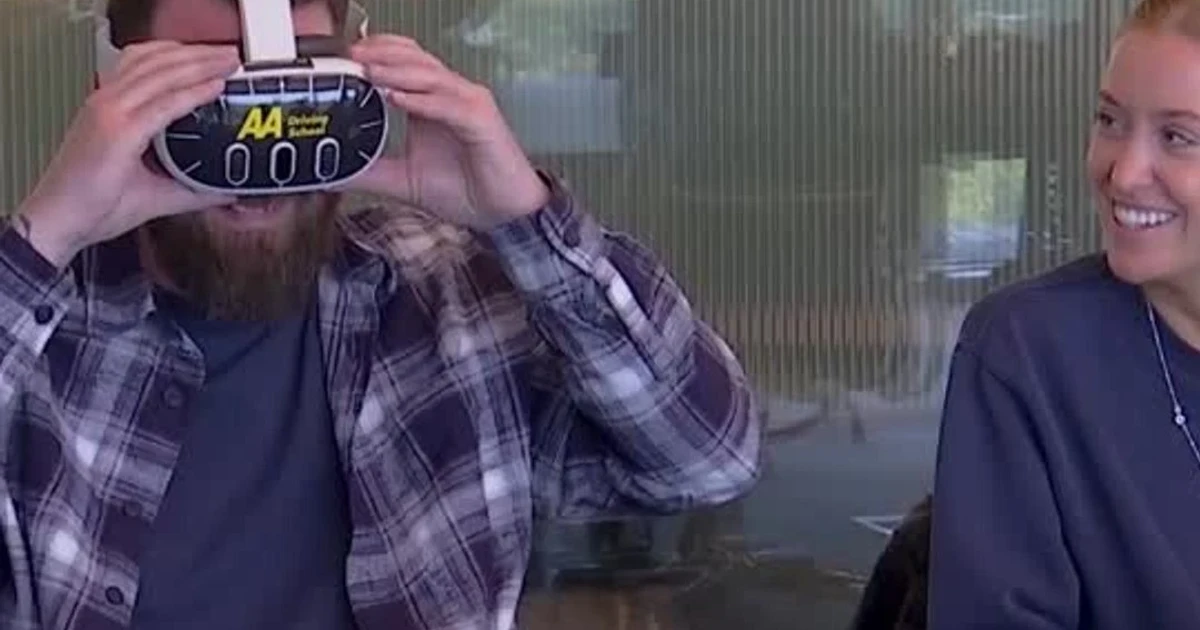
AA Driving School Academy is using Meta’s Quest 3 headsets to train instructors on modern road risks, including cyclists and scooters, inside a controlled environment. Driving lessons are moving into headsets because the road is getting harder to simulate safely in a real car.
How the simulation is being used
The practical appeal is straightforward: VR gives instructors a way to expose learners to hazards that are difficult, expensive or unsafe to recreate on ordinary roads. The training is designed so students can make mistakes in a simulated setting before they ever face those situations in traffic, whether the threat is a sudden pedestrian movement, shifting traffic patterns or another high-risk scenario.
The goal is not to turn driver education into a screen-based substitute for road time. It is to give instructors a repeatable place to demonstrate what risk looks like, how fast it can appear and how quickly a driver has to react. The emphasis is on teaching instructors first, so they can pass those hazard-recognition skills on to students more effectively.
Why instructors are turning to VR
Traditional driver education depends on real vehicles, real roads and a teacher ready to intervene when a student misses a danger. VR adds another layer by letting the instructor slow the experience down, reset it and replay it until the student recognizes the cue faster. That repeated exposure is especially useful for novice drivers, who often have not yet developed the instinct to scan quickly for cyclists, scooters, pedestrians and other moving hazards.
The broader shift is practical rather than flashy. Roads are busier, the mix of road users is wider and the consequences of a mistake are immediate. A simulator can recreate traffic conditions that would be too risky to stage in daylight, never mind in an actual lesson, and that makes it a useful supplement to behind-the-wheel instruction.
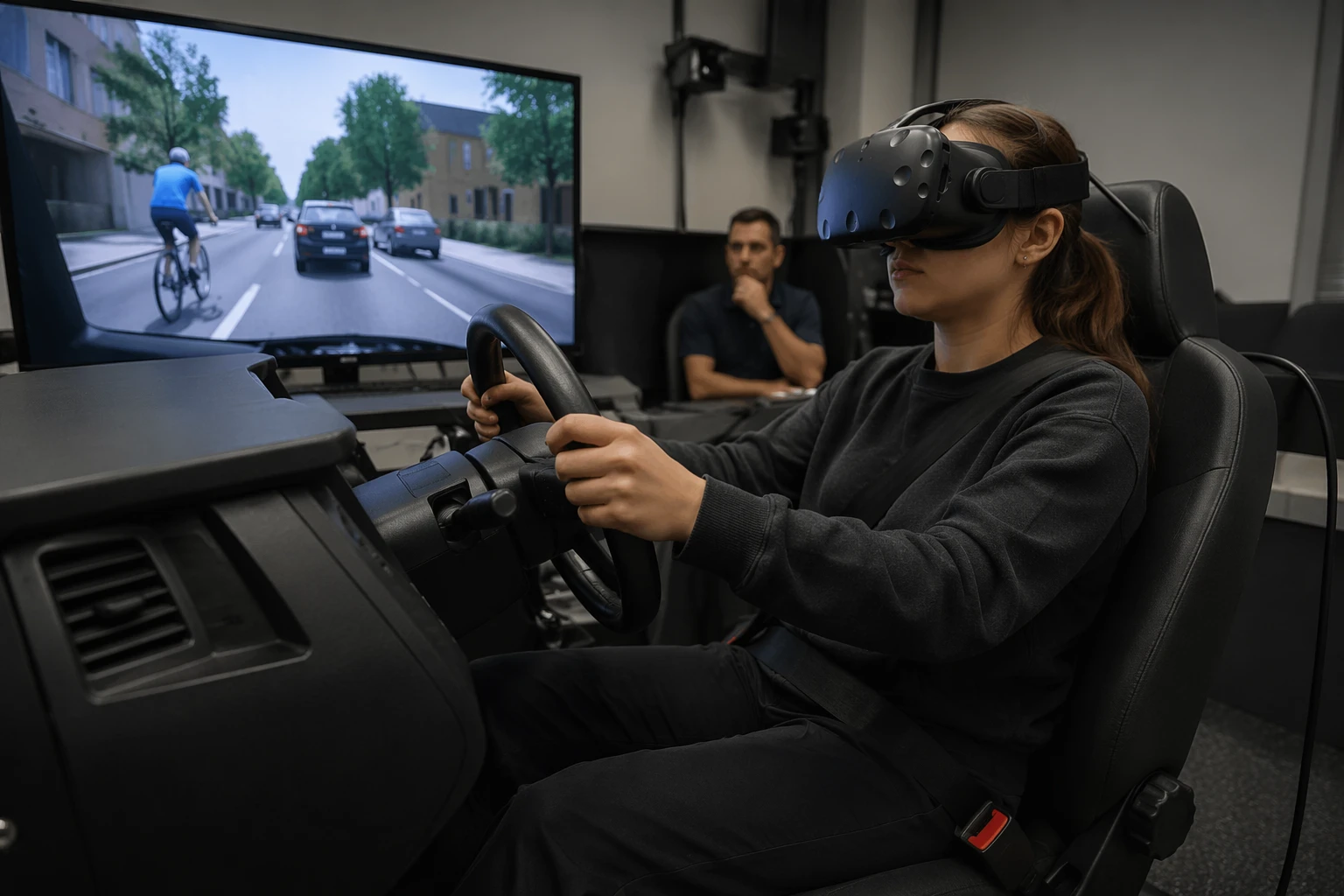
In the United Kingdom, the Automobile Association is training driving instructors with virtual reality before they hit the streets, with trainees practicing tricky traffic and split-second decisions. Instructors encounter hazards in simulation before they have to manage them with a student in the front seat.
What the evidence suggests, and what it does not
The strongest case for VR in driver training is realism without risk. The RAC Foundation’s comparison of virtual reality and non-virtual reality approaches to hazard perception training and testing pointed to one of the key advantages of headset-based instruction: greater realism in how hazards are presented. Hazard perception is not only about knowing the rules, but about recognizing danger early enough to act.
There is no hard numerical answer on outcomes such as crash reduction, pass rates or long-term safety gains. The promise is believable because the training environment is repeatable and controlled, but the real-world payoff still depends on how well the lessons transfer from simulation to actual traffic. VR can sharpen judgment and reaction in a practice setting, but the road remains the final test.
The most effective approach is blended. Virtual training can help students see how quickly danger develops, while actual driving teaches the physical, environmental and emotional complexity that no headset can fully replicate.
Where the technology still falls short
VR training also brings practical limits that instructors cannot ignore. The equipment costs money, the sessions have to be designed carefully and not every student responds to a headset in the same way. Some learners may find simulation immersive and useful; others may need a balance of virtual and real-world practice before the lessons stick.
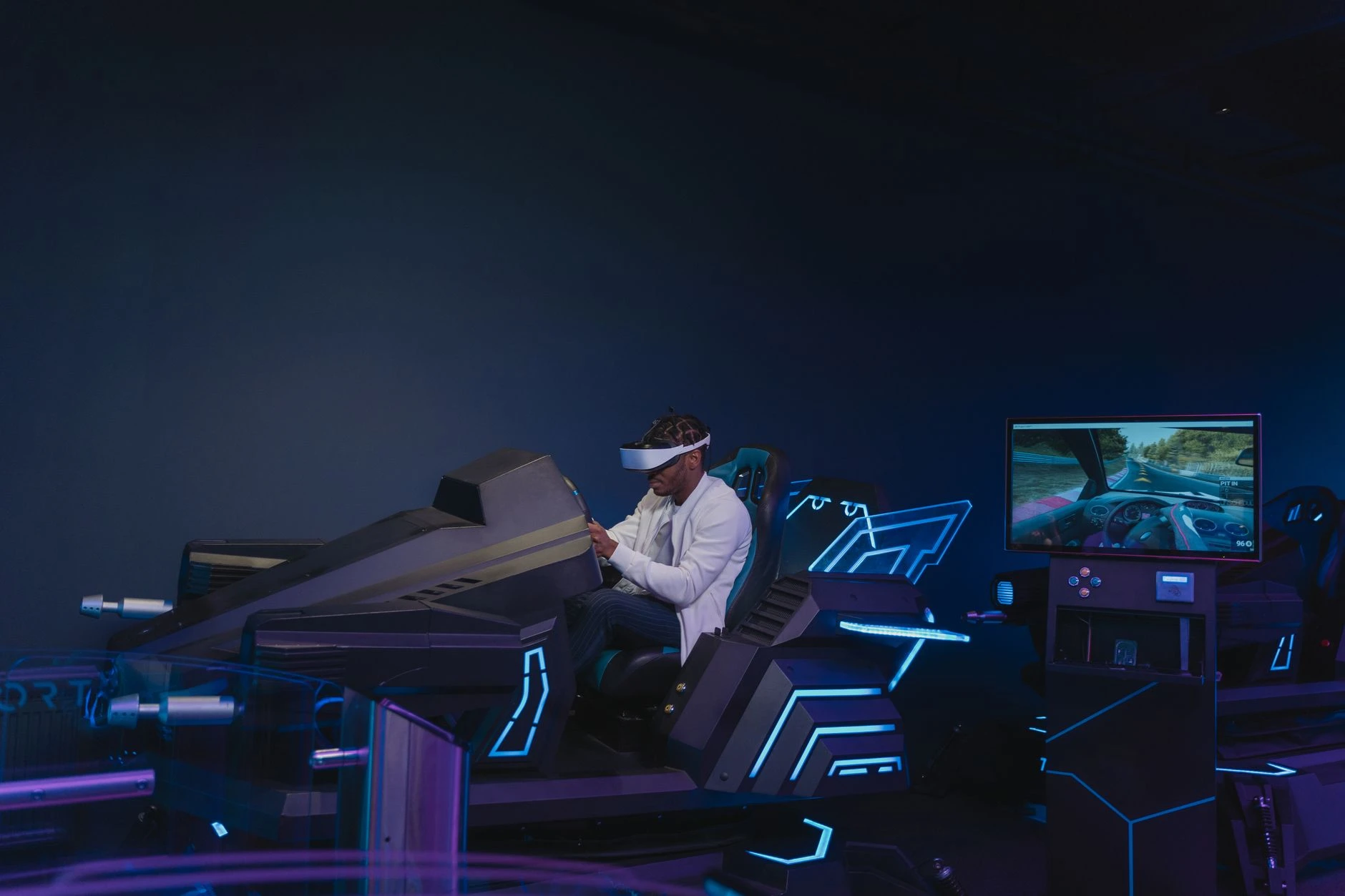
Driving is a sensory skill as much as a cognitive one. Students need to learn speed, spacing, observation and timing in a real vehicle, not only in a simulated scene. The most useful role for VR is targeted: rehearsing rare or dangerous encounters, then carrying those lessons back onto actual roads.
• It is useful for hazards that are too risky to recreate in live traffic. • It is useful for repeated practice with the same scenario. • It is useful for instructors who need to teach hazard recognition more consistently. • It is not a substitute for real steering, braking and road judgment.
Why road-safety officials still care about attention
The urgency around this kind of training is reinforced by a viral video of a driver using a VR headset. In that case, U.S. Transportation Secretary Pete Buttigieg urged drivers to pay attention, a reminder that distraction and hazard recognition remain central road-safety problems in the United States and beyond.
How the story is being pushed out
Reuters distributed the VR driving feature across X, LinkedIn and Facebook.
Sources
- [1]reuters.com
- [2]youtube.com
- [3]thedrive.com
- [4]cbsnews.com
- [5]racfoundation.org