Technology
Vishal Sikka launches Hang Ten Systems with $32 million seed funding
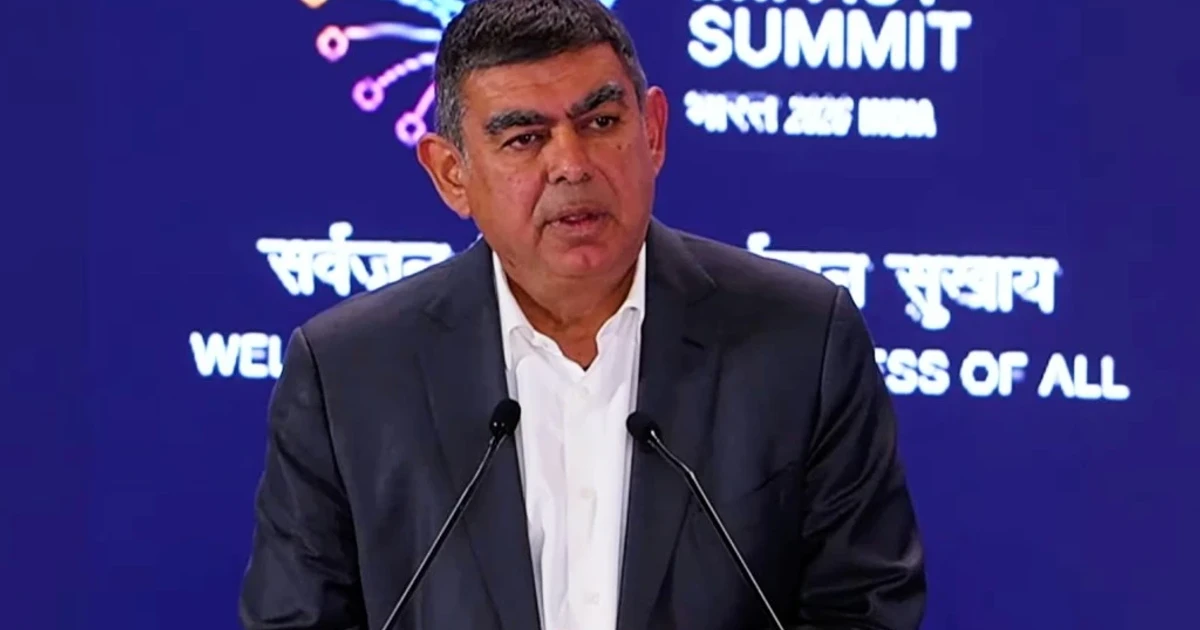
Vishal Sikka launched Hang Ten Systems with $32 million in seed funding on June 24, betting that enterprise software work can be redesigned around AI rather than large teams of billable engineers. The startup says it can help companies continuously build, modify and operate software through AI-driven development and automation, a pitch aimed squarely at the labor-heavy services model that made firms such as Infosys dominant.
Mayfield led the round, with a strategic investment from Aramco Ventures and participation from angel investors. Hang Ten’s board includes Yahoo co-founder Jerry Yang, and the company says it is already working with Siemens Gamesa Renewable Energy and Fresenius. Sikka said the system is designed to deliver software that is built, changed and run at a fraction of the cost and time, on a continuous basis.
The new venture brings together executives with long ties to SAP, Infosys and Vianai Systems, underscoring that Hang Ten is not starting from scratch but from a network of operators who know the enterprise-services market from the inside. Its early team includes Navin Budhiraja as chief technology officer, Sanjay Rajagopalan as chief design officer and Tao Liu as senior vice president of forward deployed engineering. Navin Chaddha, managing partner at Mayfield, led the investment.
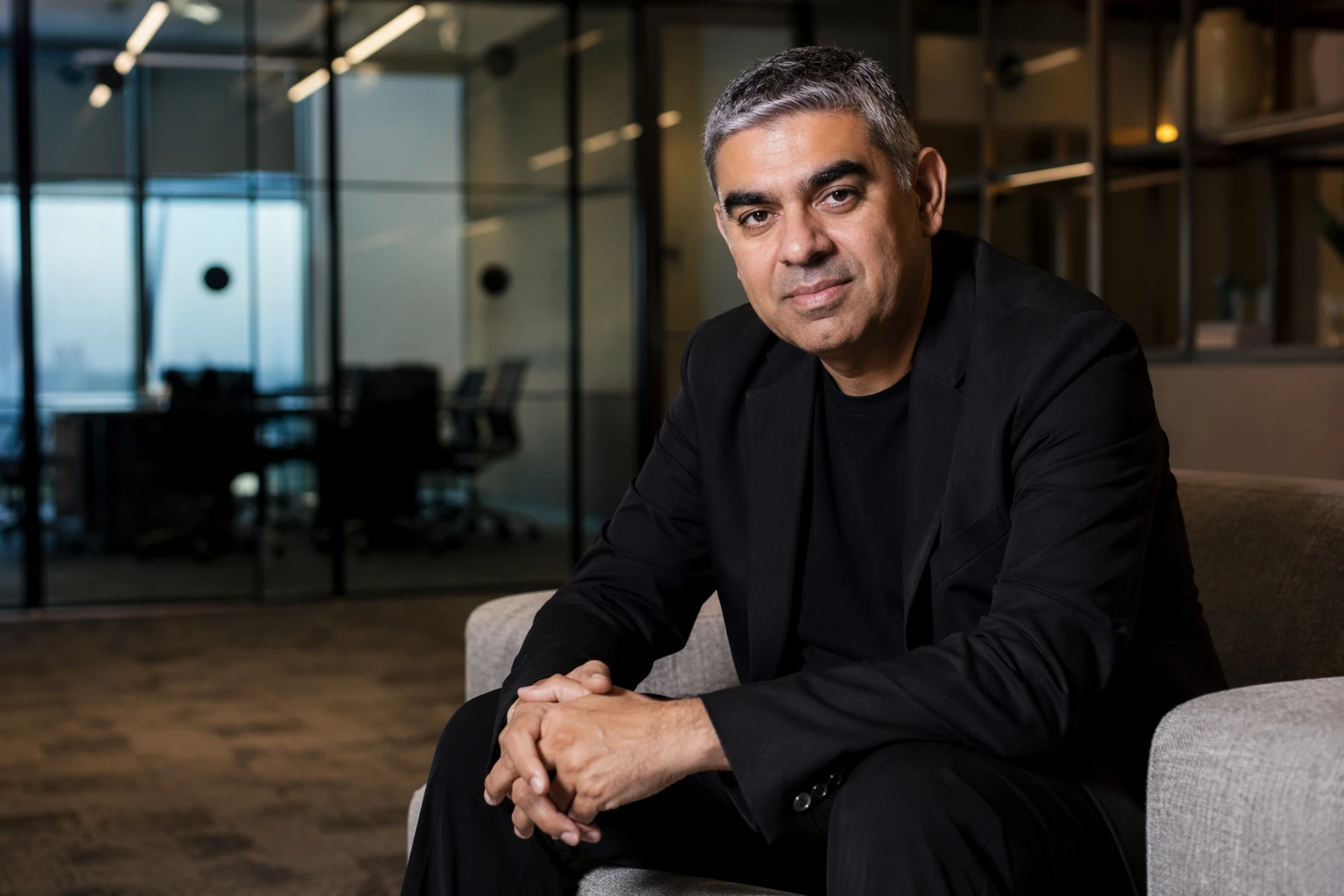
Sikka’s return to the enterprise AI market carries obvious historical weight. He ran Infosys as chief executive and managing director from 2014 to 2017, becoming the company’s first non-founder CEO, before stepping down on August 18, 2017 amid a protracted governance fight with founders led by N.R. Narayana Murthy. Reuters reported that Sikka blamed a continuous drumbeat of distractions and a long-running row over strategy. During his tenure, Infosys crossed $10 billion in revenue in fiscal 2017, after earlier setting a $20 billion target for 2020 that was later dropped.
After leaving Infosys, Sikka founded Vianai Systems in 2019 and kept his focus on enterprise AI. Vianai initially raised $50 million and later secured $140 million in Series B funding, giving Sikka another platform to test whether AI can move from pilots and proofs of concept into production software work. Hang Ten appears to be a separate venture, but it extends the same argument into a more direct challenge to outsourced software delivery.
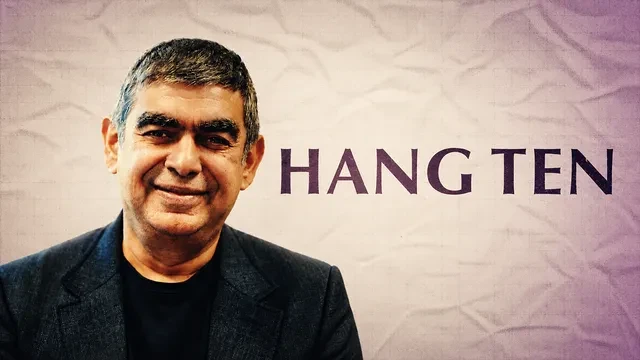
That challenge matters to corporate buyers as well as the global IT services industry. If Hang Ten can indeed automate more of the build, change and run cycle, enterprises could push for shorter project timelines, smaller delivery teams and more software that is maintained by AI systems rather than armies of offshore labor. For IT services firms, the question is no longer whether AI can assist their work; it is whether AI can reshape the economics of the work itself.
Sources
- [1]techcrunch.com
- [2]msn.com
- [3]moneycontrol.com
- [4]reuters.com
- [5]infosys.com
- [6]vian.ai
- [7]businesswire.com