Health
Vitamin B12 compound shows promise against deadly glioblastoma
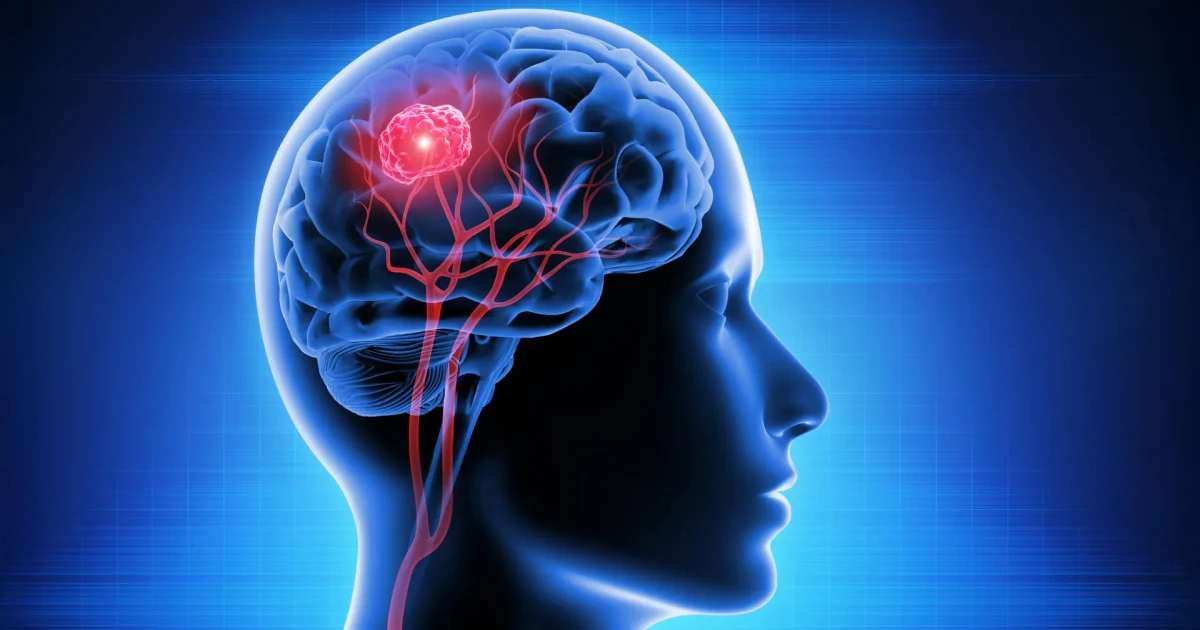
A vitamin B12-based compound has shown an unusual ability to reach glioblastoma tissue, stay there, and intensify the effect of two existing cancer drugs, a combination that could matter in one of the hardest brain cancers to treat. The compound, nitrosylcobalamin, or NO-Cbl, is a modified cobalamin designed to release nitric oxide and exploit tumor uptake through the transcobalamin II receptor, CD320.
The study, published April 2, 2026, in Volume 13 of Oncoscience, tested NO-Cbl across the NCI-60 human tumor cell panel, in human glioblastoma cell lines and in glioblastoma-bearing rats. The paper reported pharmacokinetic and biodistribution measurements in tissues, serum and cerebrospinal fluid, a setup aimed at answering the practical question that often defeats brain cancer drugs: can the therapy get through the blood-brain barrier and into the tumor in the first place?
In animal studies, NO-Cbl crossed the blood-brain barrier, accumulated preferentially in glioblastoma tissue and remained active in tumors for an extended period. The authors also found synergy with TRAIL and temozolomide, the chemotherapy already used in standard glioblastoma care, suggesting the compound could one day fit alongside existing treatment rather than replace it. The research was led by first and corresponding author Joseph A. Bauer, with coauthors Annette M. Sysel and Michael J. Dunphy; Bauer is affiliated with Nitric Oxide Services, LLC and the Cleveland Clinic Foundation Taussig Cancer Center.
That preclinical promise arrives against a brutal clinical backdrop. Newly diagnosed glioblastoma patients typically survive 12 to 15 months, and two-year survival remains below 30%. Standard treatment generally includes surgery, radiation and temozolomide chemotherapy, yet the disease remains notorious for returning and for resisting drugs that work elsewhere in the body. A 2025 American Society for Radiation Oncology guideline referred to the disease as WHO grade 4 diffuse glioma, reflecting updated terminology without softening its aggressiveness.
The findings do not amount to a ready-made treatment. They do, however, place a vitamin B12 derivative into a research lane that has long been central to glioblastoma work: using molecular features of tumors to force a path past the blood-brain barrier and deliver therapy where it is needed. For a cancer that has repeatedly outpaced standard medicine, that is a meaningful step, even if the road from rat studies to patient care remains long.
Sources
- [1]sciencedaily.com
- [2]oncoscience.us
- [3]pmc.ncbi.nlm.nih.gov
- [4]astro.org