Technology
VLC co-creator Jean-Baptiste Kempf builds ultra-low-latency Kyber platform
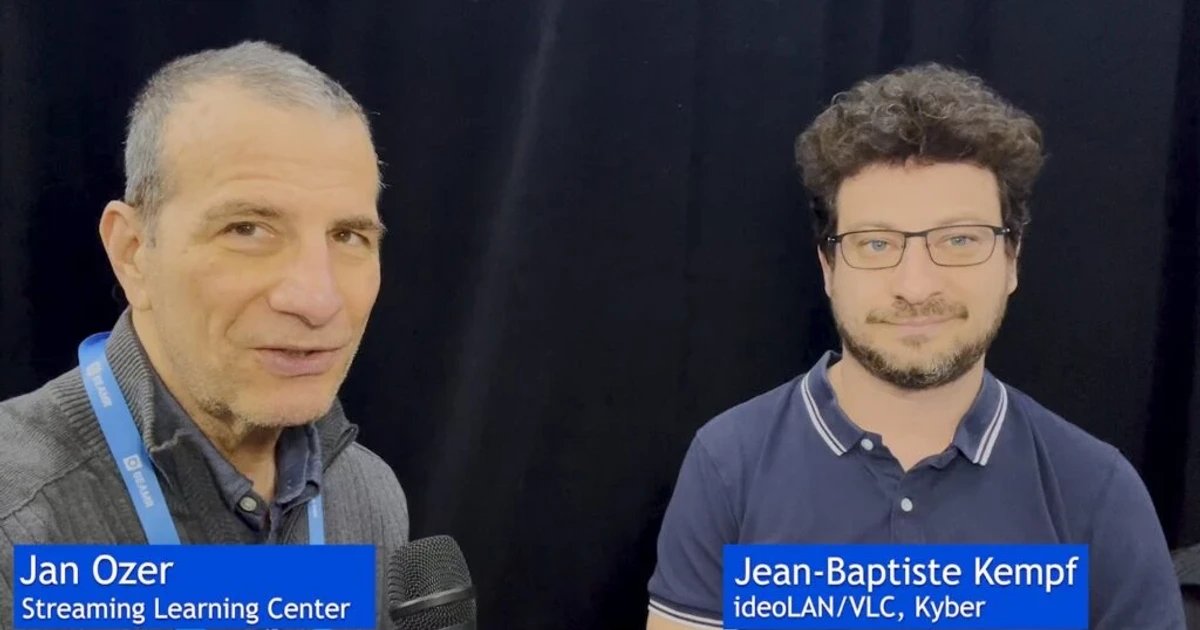
Jean-Baptiste Kempf is trying to turn open-source media plumbing into the control layer for real machines. The longtime VideoLAN contributor, best known for his work on VLC, is now focused on Kyber, a system aimed at robots, drones, vehicles, remote desktops and immersive environments that need to respond almost instantly.
Kempf describes Kyber on his personal site as “real-time infrastructure for machine control.” That framing puts the project in a different category from ordinary video streaming: Kyber is meant to move control signals, video and interaction together fast enough that the remote device feels local. In interviews and talks, it has been presented as a real-time control SDK built on FFmpeg and VLC, with stated use cases ranging from cloud gaming to robotics and remote-controlled vehicles.

The pitch rests on latency. In a 2025 interview, Kyber was said to have reached 8 milliseconds of glass-to-glass latency in one demonstration context, and later mentions set a 4-millisecond goal. For teleoperation, that difference is not academic. A few milliseconds can change how a drone tracks a turn, how a robot arm settles after a command, or whether a remote desktop feels responsive enough to use without friction.
That is why Kyber is being framed as infrastructure for the emerging physical-AI stack, and as a possible successor to WebRTC-style systems for the robot era. The technical challenge is not only speed but trust: remote control of physical machines raises the stakes for authentication, packet loss, jitter, failure recovery and security. If the link breaks or gets compromised, the consequences are no longer just a frozen stream. They can involve a moving machine in the real world.

Kempf’s credibility comes from the software layer he has already helped shape. He is widely known as a major contributor to VLC and VideoLAN, and his site says he also advises startups and VC funds, lectures on open source, multimedia and sovereignty, and belongs to the European Open Source Academy. Kyber has surfaced in 2025 and 2026 interviews and talks, including Mile High Video and FOSSASIA, as Kempf pushes an old open-source instinct into a new industrial problem: how to make distant machines behave as if they were right in front of you.