Science
Volcanic eruptions and wildfires are quietly raising stratospheric water vapor
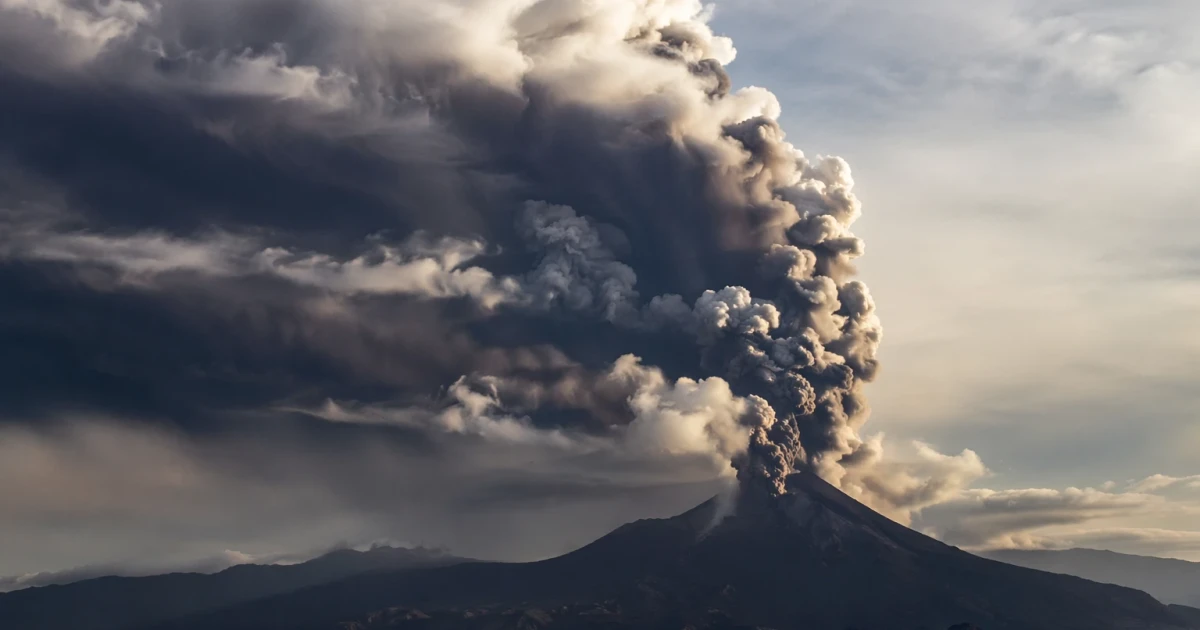
A Nature paper published online July 1 found that moderate volcanic eruptions and extreme wildfires have systematically raised stratospheric water vapor since 2005. The study estimated an increase of about 0.1 parts per million by volume at 83 hPa, with roughly 76 million to 203 million tons of extra water vapor accumulated between 2005 and 2021. The aerosol-driven effect explained 36 percent, plus or minus 7 percent, of the observed trend, a share comparable to the influence of surface warming itself.
The mechanism is more complicated than smoke simply drifting upward. The paper used satellite observations and large-ensemble simulations to show that aerosol heating warmed the tropical cold-point tropopause, the thin boundary between weather and the stratosphere. The authors also identified an additional self-lofting pathway in extreme wildfires, where smoke helps transport water vapor higher into the stratosphere instead of stopping at the top of the troposphere.
Stratospheric water vapor influences Earth’s energy budget, convective uplift, lightning generation and ozone chemistry, including the Antarctic ozone hole. It is a strong positive climate feedback even though it exists at only a few molecules per million air molecules. NOAA’s monitoring network has tracked those shifts from Boulder, Hawaii, New Zealand and other sites. Recent water-vapor measurements feed into ozone recovery assessments.
In 2022, the Hunga Tonga-Hunga Ha’apai eruption injected about 150 million tons of water vapor into the stratosphere and increased the global stratospheric water burden by roughly 10%, with rapid-response balloon measurements on Réunion Island proving essential to pinning down the chemistry change.
Sources
- [1]pubmed.ncbi.nlm.nih.gov
- [2]nature.com
- [3]researchsquare.com
- [4]gml.noaa.gov
- [5]nasa.gov
- [6]research.noaa.gov
- [7]csl.noaa.gov
- [8]science.nasa.gov