Science
Volcanic Eruptions Offer Unexpected Help Against Methane
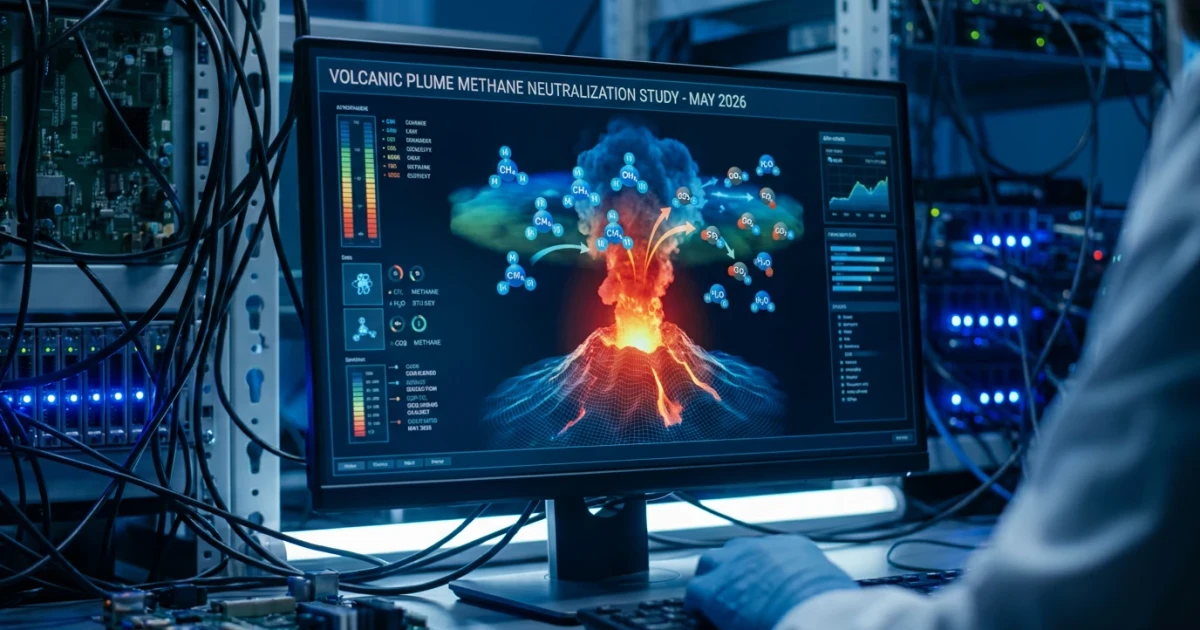
Recent scientific discoveries suggest erupting volcanoes may play an unexpected role in reducing a potent greenhouse gas, offering a fresh perspective on climate change mitigation efforts.
New Research Unveils Methane-Destruction by Volcanoes
Scientists have long recognized the major impact of methane on global warming. As a greenhouse gas, methane is more than 25 times as effective as carbon dioxide at trapping heat in the atmosphere over a 100-year period. While the majority of climate focus has been on reducing methane emissions from agriculture, fossil fuels, and landfills, a recent study highlighted by Gizmodo reports that volcanic eruptions may naturally remove methane from the atmosphere in significant amounts.
The report describes how scientists were surprised to observe that the massive volcanic clouds produced during eruptions can chemically react with and destroy atmospheric methane. This process was once considered negligible, but new data indicates it could make a measurable difference in the global methane budget.
How Volcanic Clouds Destroy Methane
According to research published in Nature Geoscience and summarized by Gizmodo, the mechanism involves volcanic plumes releasing large quantities of sulfur dioxide and other reactive gases into the atmosphere. These emissions enhance the creation of hydroxyl radicals—highly reactive molecules that are known to break down methane. The surge in hydroxyl radicals during an eruption can dramatically boost the rate at which methane is destroyed in the atmosphere.
- The effect is most pronounced during major eruptions, when plumes reach the stratosphere and disperse globally.
- Initial models indicate that a single large eruption can temporarily reduce atmospheric methane concentrations by a measurable fraction.
For those interested in the chemical pathways and quantitative impact, the ScienceDirect analysis provides a detailed explanation and visual data on the chemical interactions involved.
Volcanoes: From Emissions Source to Methane Sink
Historically, volcanoes have been considered a net source of greenhouse gases, especially carbon dioxide and methane. However, with these new findings, the narrative becomes more nuanced. The Smithsonian Global Volcanism Program maintains records of volcanic gas emissions, and recent studies suggest that the methane-destroying effect of major eruptions can, in some cases, offset a portion of the emitted greenhouse gases—at least in the short term.
Still, experts caution that while the methane-destroying power of volcanic plumes is significant during and shortly after eruptions, volcanoes are not a sustainable or controllable solution to climate change. As highlighted in the IPCC’s latest report, curbing man-made methane emissions remains critical for long-term climate stabilization.
What This Means for Climate Change Efforts
These findings open up new avenues for understanding Earth’s natural methane cycles and the complex interplay between geologic activity and atmospheric chemistry. The research does not suggest that volcanic eruptions alone can solve the methane problem, but it does add an important piece to the climate puzzle. Scientists are now looking into how these natural methane sinks can help refine climate models and improve predictions of future warming.
As the world continues to seek effective strategies for mitigating climate change, the role of volcanoes in atmospheric chemistry is likely to draw increasing scientific attention. The evolving understanding of how volcanic activity interacts with greenhouse gases may eventually inform both natural and engineered approaches to climate management.
Looking Ahead
While volcanic eruptions are not a practical climate intervention, this research underscores the importance of monitoring natural processes that affect greenhouse gas levels. As scientists gather more data from recent and future eruptions, they hope to refine estimates of the global methane budget and better understand the potential for natural sinks to complement ongoing emission reduction efforts.