Science
Volcano Eruption Surprises Scientists by Rapidly Destroying Methane
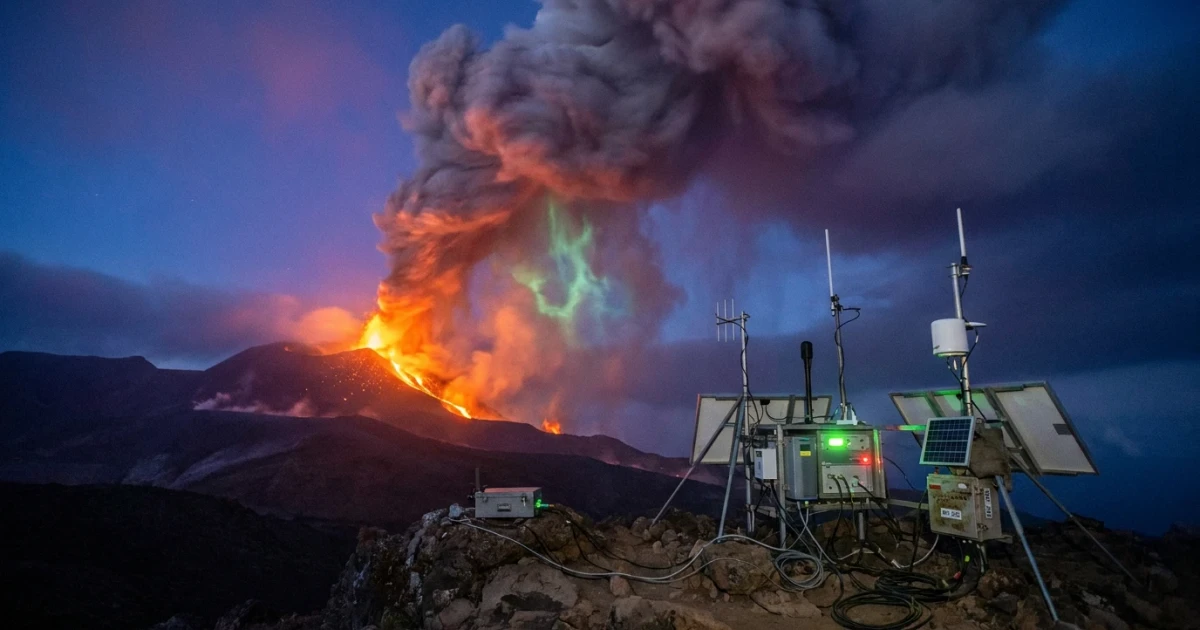
A recent volcanic eruption has left scientists astonished after the event's atmospheric cloud was found to rapidly destroy methane, one of the most potent greenhouse gases. The discovery, first highlighted by ScienceDaily, could reshape our understanding of volcanic impacts on climate and atmospheric chemistry.
Unanticipated Methane Destruction
The eruption, which was initially studied for its dramatic visuals and immediate environmental effects, revealed a surprising capacity to act as an atmospheric cleaner. Methane, known for its significant role in global warming, is typically more persistent in the atmosphere than carbon dioxide. However, satellite and ground-based observations showed a pronounced drop in methane concentrations in the plume's path.
Scientists, according to ScienceDaily, did not expect a volcanic cloud to contain the right chemical properties to destroy methane at such a scale. This natural process, observed in real time, indicates that volcanic eruptions may have a more complex and variable effect on atmospheric greenhouse gas levels than previously thought.
How Volcanic Plumes Affect Atmospheric Chemistry
Volcanic eruptions inject vast amounts of gases and particles into the atmosphere. While the focus is often on sulfur dioxide and ash, which can cool the planet by reflecting sunlight, the new findings highlight the role of volcanic plumes in disrupting methane. Research published in the Proceedings of the National Academy of Sciences and summarized in ScienceDaily, describes a chain reaction in the plume: volcanic emissions increase atmospheric oxidation capacity, leading to heightened breakdown of methane molecules.
- Methane is typically removed from the atmosphere via reaction with hydroxyl radicals.
- Volcanic plumes appear to boost these radicals, accelerating methane destruction.
- Data from NASA Earthdata and recent expeditions confirm rapid methane loss near the eruption site.
Implications for Climate Science
The unexpected finding is significant because methane is a powerful greenhouse gas, with a warming impact over 25 times greater than carbon dioxide over a 100-year period. Natural processes that destroy methane could modulate its climate impact, though scientists caution that volcanic methane destruction is likely a short-term and localized phenomenon compared to anthropogenic emissions.
While the study does not suggest that volcanoes can offset human-caused methane increases, it does provide insight into the complex feedbacks in the Earth's atmosphere. Further research, using datasets from the Smithsonian Institution Global Volcanism Program and NOAA's volcano archive, may help scientists refine climate models and understand the balance between natural and human-driven methane sources and sinks.
Looking Ahead
As surprising as this discovery is, scientists emphasize the need for continued observation and analysis. The event has opened new avenues for research into how volcanic activity interacts with atmospheric chemistry, and how these interactions could influence future climate patterns. With growing interest in the roles of both natural and human influences on greenhouse gases, this eruption provides a rare and valuable case study for the scientific community.