Business
Volkswagen weighs factory closures and up to 100,000 job cuts
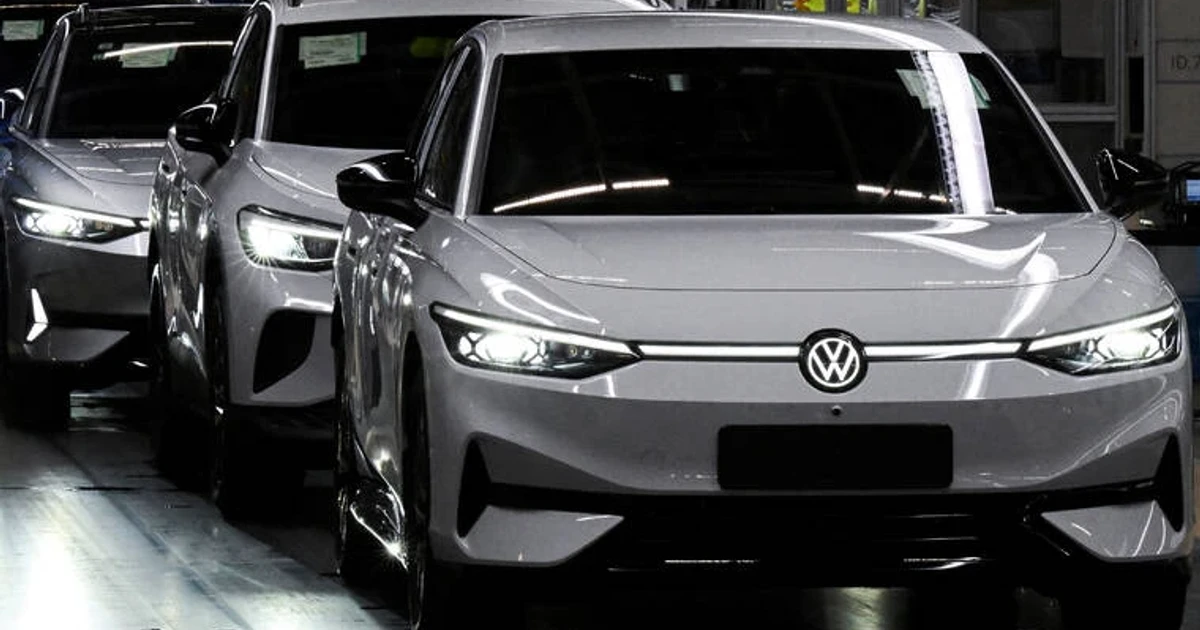
Volkswagen is weighing closures at four German factories and cuts of as many as 100,000 jobs, a move that would put more than 45,000 workers at risk at Hanover, Zwickau, Emden and Audi’s Neckarsulm plant. The proposal was discussed with members of the automaker’s supervisory board ahead of a July 9 meeting.
The scale of the plan would go far beyond the roughly 50,000 job reductions already built into Volkswagen’s existing restructuring. Oliver Blume wants to cut up to 100,000 jobs from the company’s current worldwide workforce over the next few years, while also reducing investment by about 15 percent to just over 130 billion euros over five years.
The pressure on Europe’s largest automaker is coming from several directions at once. Volkswagen is facing weaker demand in Europe, tougher competition from lower-priced Chinese carmakers and tariff pressures in the United States. Management believes the current business model is no longer sustainable without major change, a stark assessment from a company long seen as a pillar of German industrial stability.
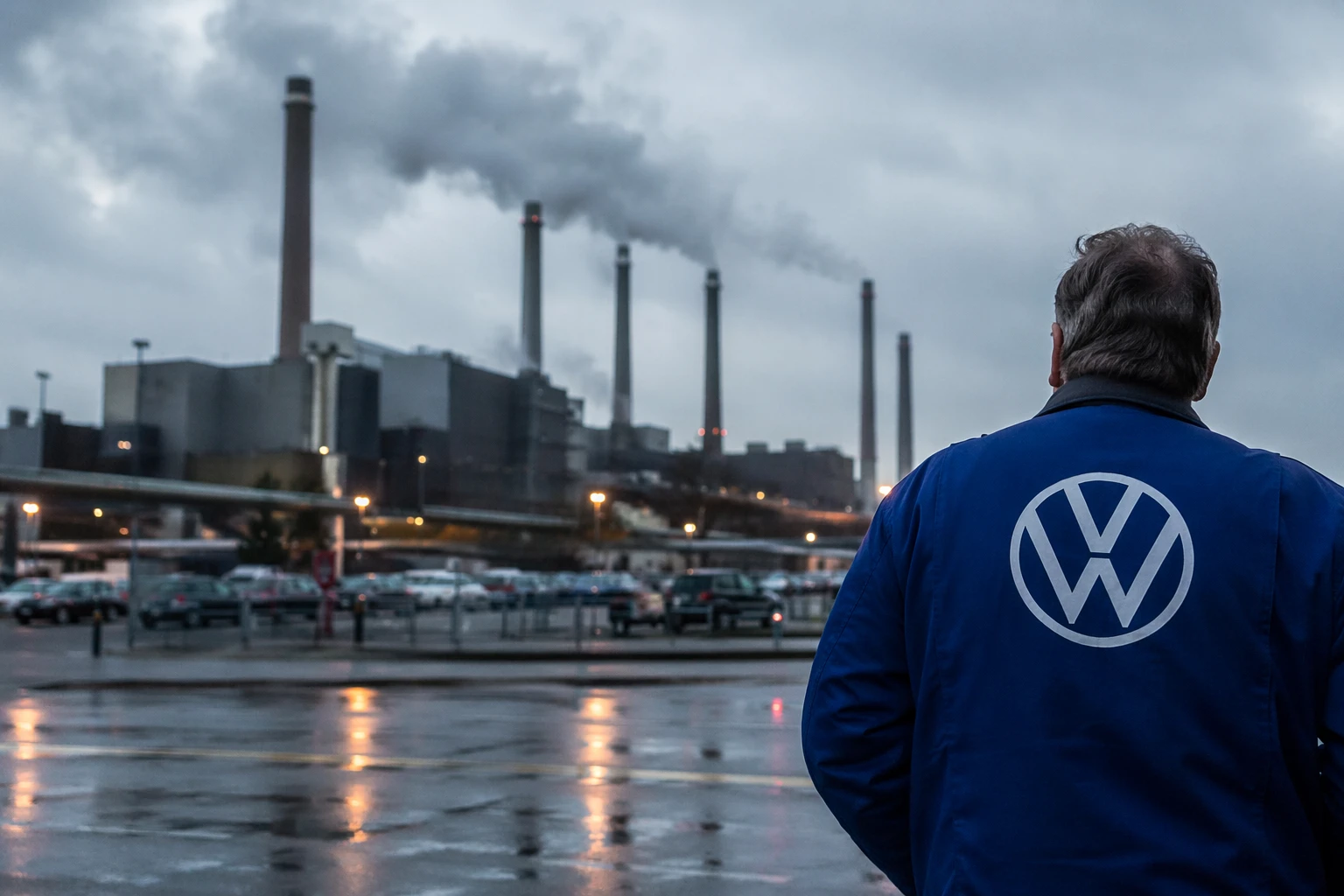
The political stakes are high inside Volkswagen’s German labor strongholds. In May, IG Metall and the Volkswagen works council rejected speculation about plant closures, and labor leaders including Daniela Cavallo have drawn a hard line against shutting factories. Volkswagen already agreed in late 2024 to avoid factory closures in Germany and rule out compulsory redundancies until the end of 2030, with around 50,000 jobs expected to be cut across the country by then.
Even before the new proposal, the company had been moving through a deep cost reset. Volkswagen is pressing ahead with 19,000 job cuts by the end of 2026, and it has a binding target of 28,000 reductions at the core Volkswagen brand by 2030. The latest plan would push that restructuring into far more severe territory and signal how quickly the economics of carmaking are shifting under the combined weight of electric-vehicle competition, trade friction and Europe’s high production costs.

The overhaul is being described as potentially the biggest in Volkswagen’s 89-year history, and its reach would extend well beyond one company. For the global auto industry, it is another warning that legacy manufacturers are being forced into faster consolidation and sharper job cuts as the market moves away from the old German model of scale, stability and premium pricing.
Sources
- [1]money.usnews.com
- [2]staradvertiser.com
- [3]cnbc.com
- [4]autonews.com
- [5]telegraph.co.uk