Business
Volkswagen’s China dominance fades as Chinese rivals surge globally

Volkswagen's global deliveries fell 8.6% in the second quarter of 2026 as the company's China business kept sliding, with gains in other regions not enough to offset the drop. The German carmaker that once treated China as its surest growth engine has seen its two joint ventures there fall to a combined 10.9% share of retail sales in early 2026, down from 12.2% in 2024.
Volkswagen built that position over decades. Its contacts with China began in 1978, the first Santana rolled out of Shanghai in April 1983, SAIC Volkswagen was established in October 1984 as its first joint venture in the country, and FAW-Volkswagen followed in 1991. Those partnerships gave Volkswagen scale in the world's largest auto market, but they also tied the company to a market that has shifted sharply toward domestic champions and battery-electric technology.
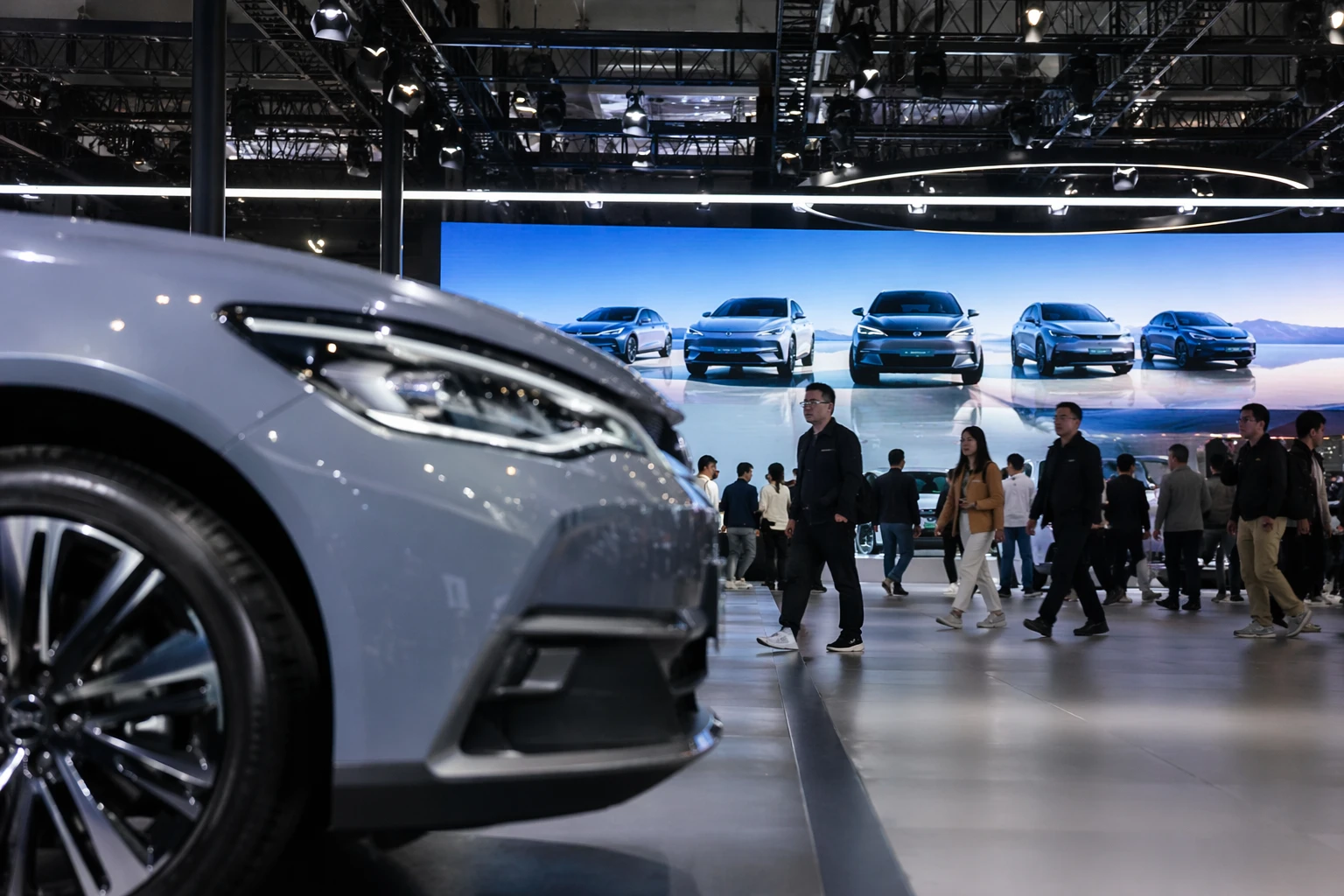
BYD overtook Volkswagen as China's largest carmaker by sales in 2024, and Volkswagen later slipped to third place behind Geely. The market-share figures show how quickly that erosion has become structural rather than cyclical. A 1.3 percentage-point decline in the joint ventures' retail share may look modest on paper, but in a market as large as China it translates into a major loss of volume, pricing power and influence over the industry's direction.
The pressure is now showing up in Volkswagen's factory network and balance sheet. The company has moved to close its SAIC joint plant in Nanjing while it weighs major job cuts and possible factory closures in Germany, where high labor costs and weak demand have compounded the strain from Chinese rivals. At the same time, Chinese automakers are no longer just winning at home. They are exporting the same cost advantage, software speed and EV scale that once helped Volkswagen dominate China into Europe and other markets.
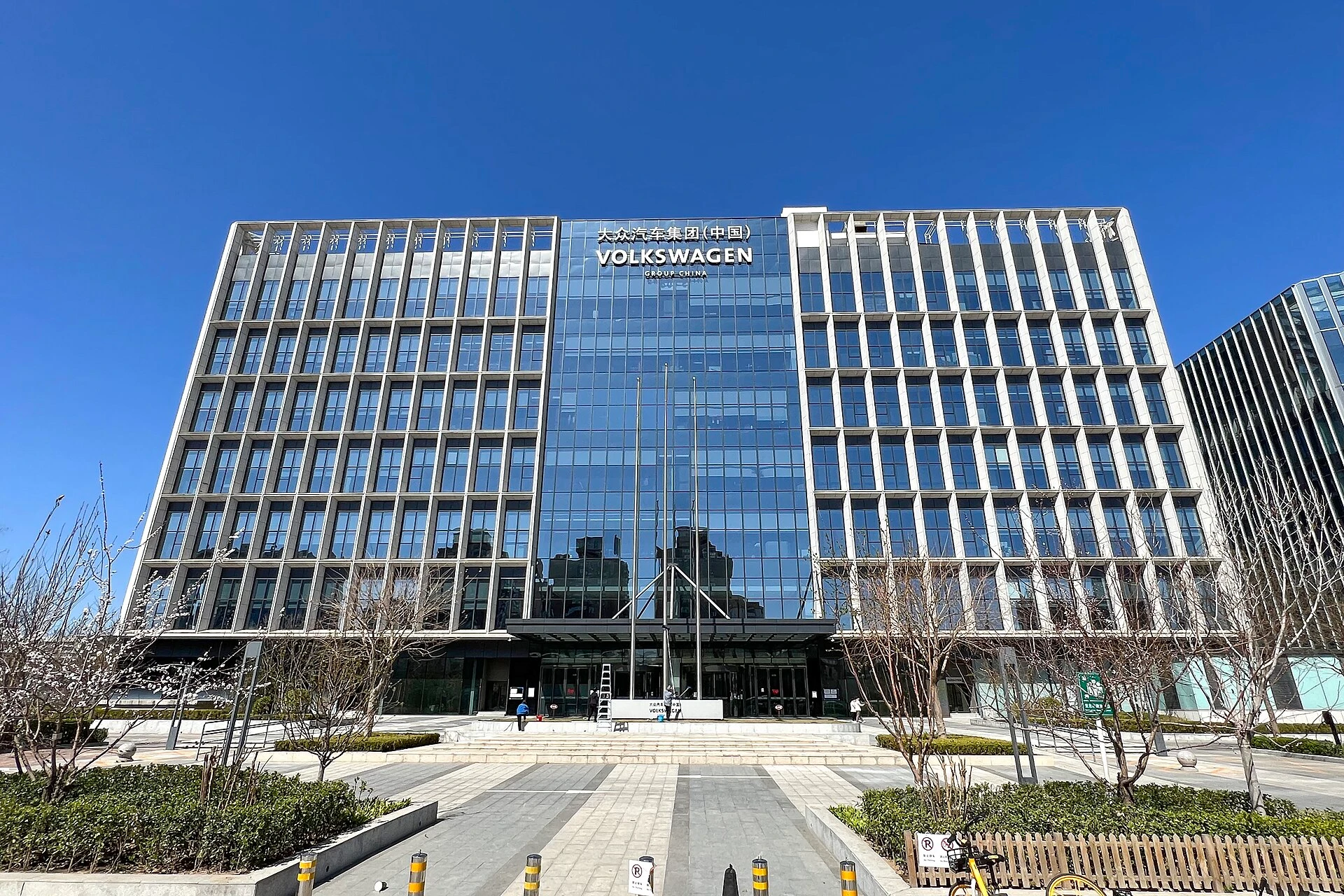
Volkswagen has responded by speeding up its "In China, for China" strategy, deepening development with Chinese partners including XPENG and pushing new China-specific EV models. The shift shows how the company now has to defend the market that once powered it, while also preparing for a global contest increasingly shaped by the rivals China produced.
Sources
- [1]nytimes.com
- [2]volkswagengroupchina.com.cn
- [3]saicmotor.com
- [4]autonews.com
- [5]volkswagen-group.com
- [6]msn.com