Business
Volvo profit jumps 35%, North American truck orders surge 122%
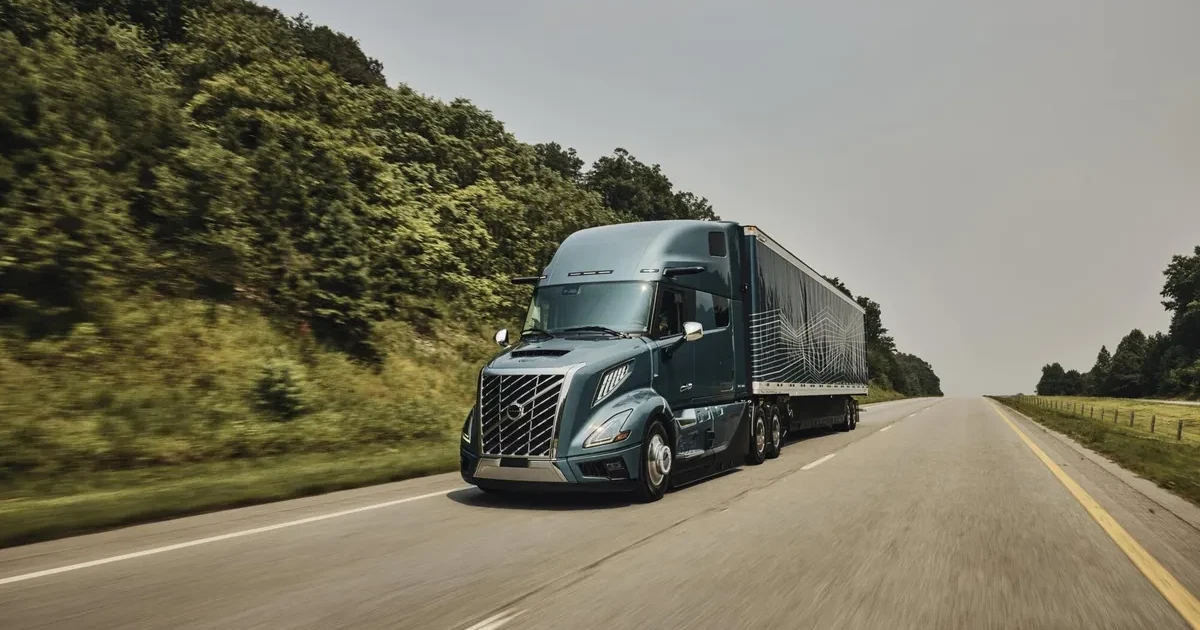
Volvo Group’s second-quarter operating profit rose 35% to 13.5 billion Swedish crowns, or about $1.40 billion, while North American truck orders surged 122%. The jump gives investors a fresh read on whether freight customers are finally loosening spending after a long stretch of weak demand.
For heavy-truck makers, orders often matter more than one quarter’s earnings because they show what fleets, logistics companies and infrastructure operators plan to buy next. A stronger order book can point to replacement buying that was delayed during the downcycle, but it can also signal a broader pickup in industrial activity, especially if carriers are preparing for more freight and construction demand over the next two quarters.
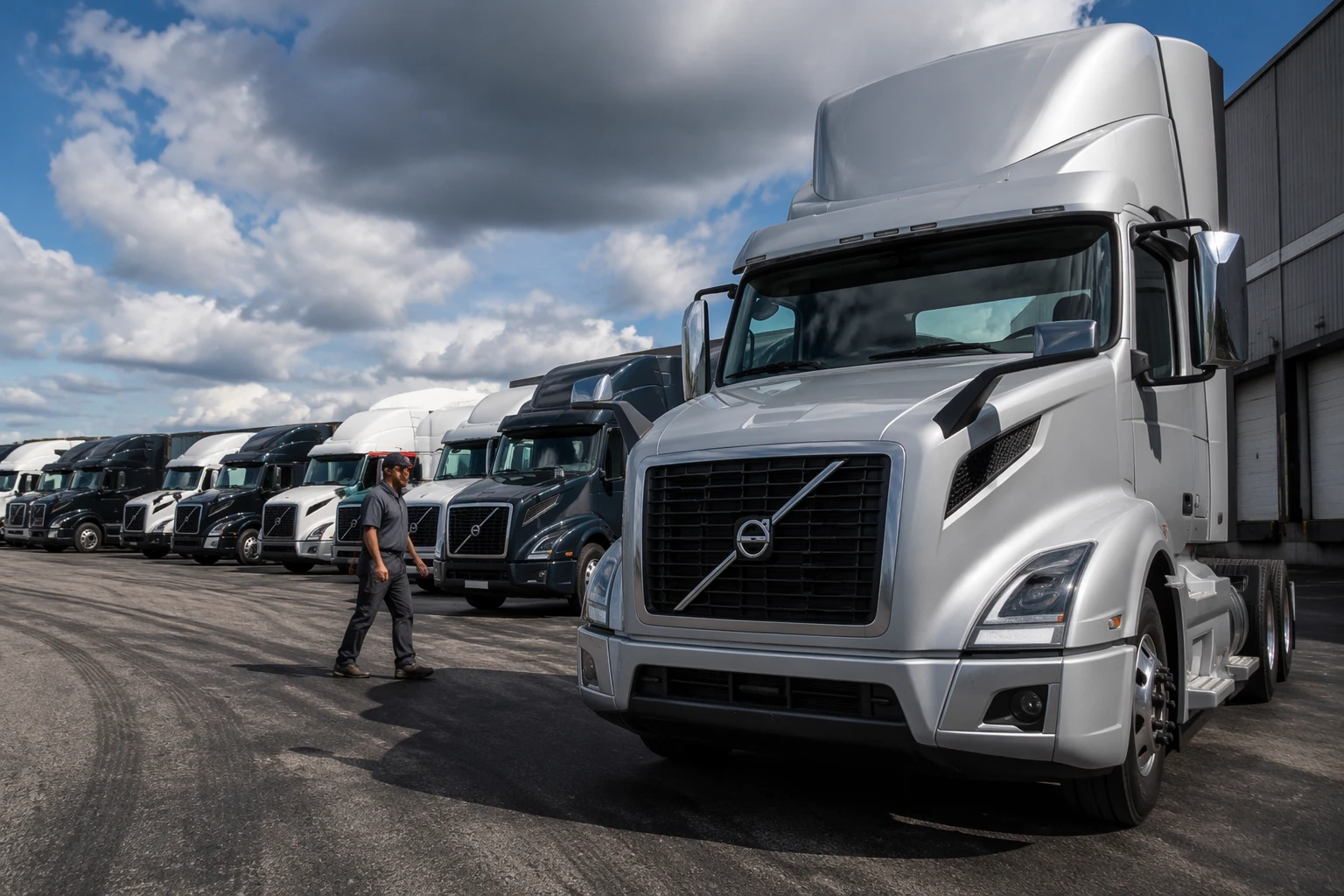
The latest results build on a still-profitable base. In Volvo Group’s second-quarter 2024 report, the company said net sales were SEK 140.2 billion and adjusted operating income was SEK 19.4 billion, with an adjusted operating margin of 13.9%. At the time, Volvo said demand in many markets was normalizing after the high levels of 2023, which makes the new profit gain look less like a one-off spike and more like an improvement on a cycle that had already begun to settle.
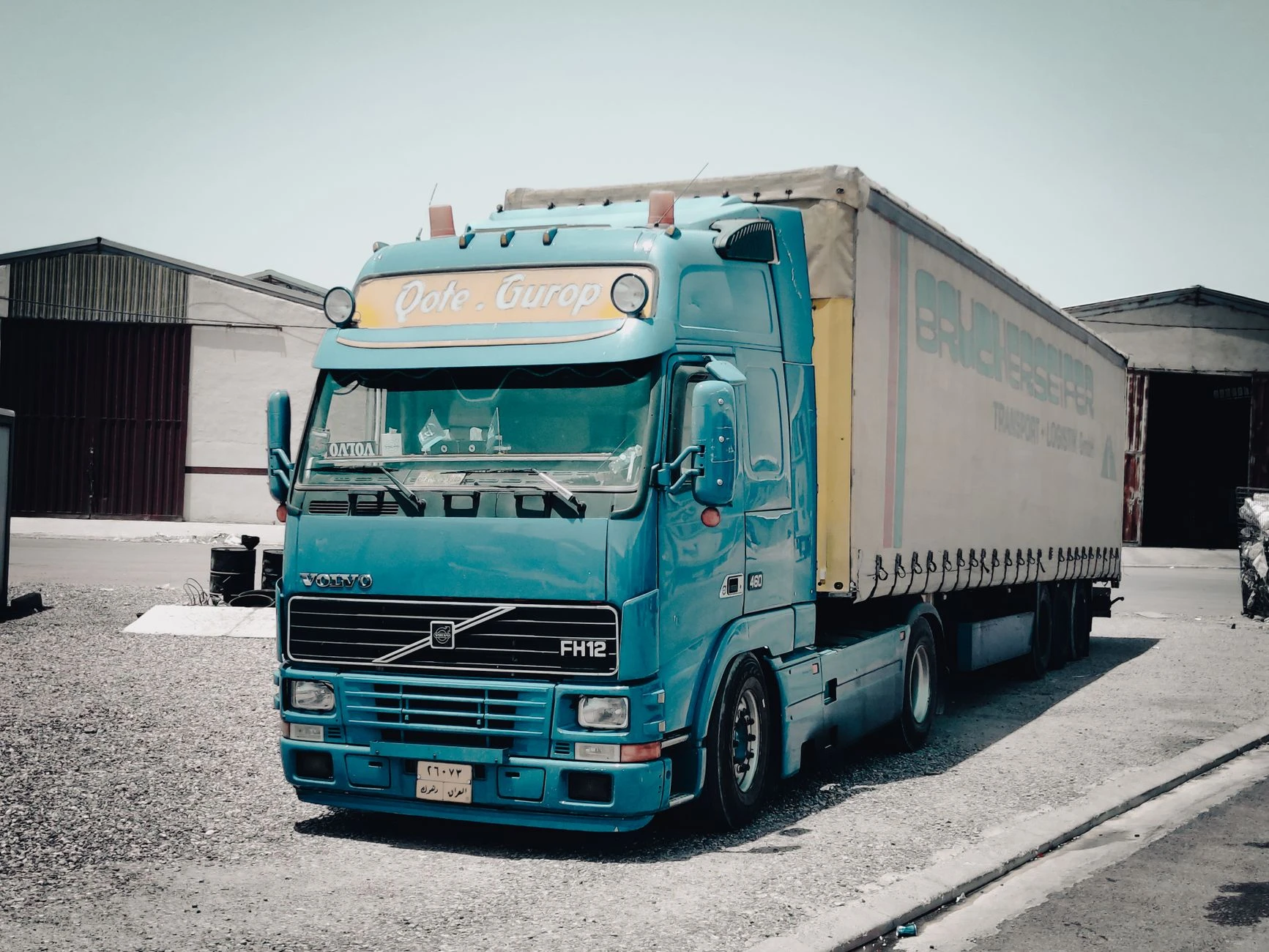
North America is the key market in the new order data. The 122% increase in order intake there suggests the rebound is not only a Europe-wide currency effect or a broad accounting lift, but a sign that one of the industry’s biggest truck markets is recovering after years of sluggish demand. That matters for manufacturing confidence because truck purchases sit close to the capital-spending decisions that ripple through factories, warehouses, ports and construction sites.
Volvo Group’s reach makes that signal more important than a single-quarter beat. The Gothenburg-based company says it operates across almost 180 markets and had around 99,000 employees at the end of 2025. Its businesses span trucks, buses, construction equipment and marine and industrial engines, so a stronger order cycle can affect everything from cross-border freight flows to export logistics and construction activity.
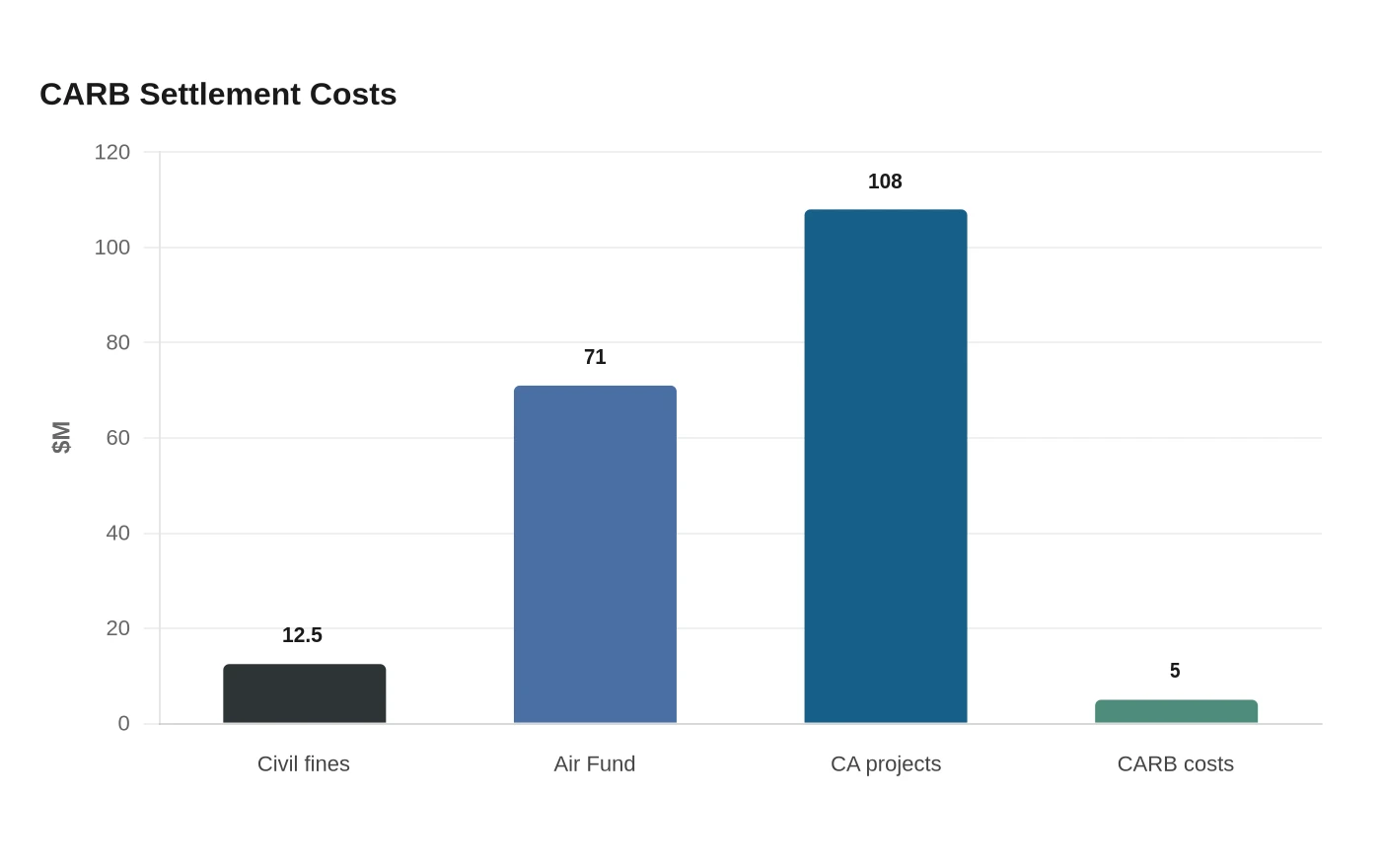
The company is also still paying for the cost of the transition to cleaner equipment. In May, Volvo Group North America agreed to a California Air Resources Board settlement that included $12.5 million in civil penalties, $71 million to the Air Pollution Control Fund, $108 million in California emission-reduction projects and $5 million in CARB costs. That leaves Volvo balancing stronger near-term demand with the cost of diesel compliance and investment in battery-electric, hydrogen and autonomous technologies.
If North American orders hold, the next two quarters will show whether the 122% jump was mainly delayed fleet replacement or the start of a broader industrial recovery.