World
von der Leyen urges U.S.-EU cooperation on access to top AI models
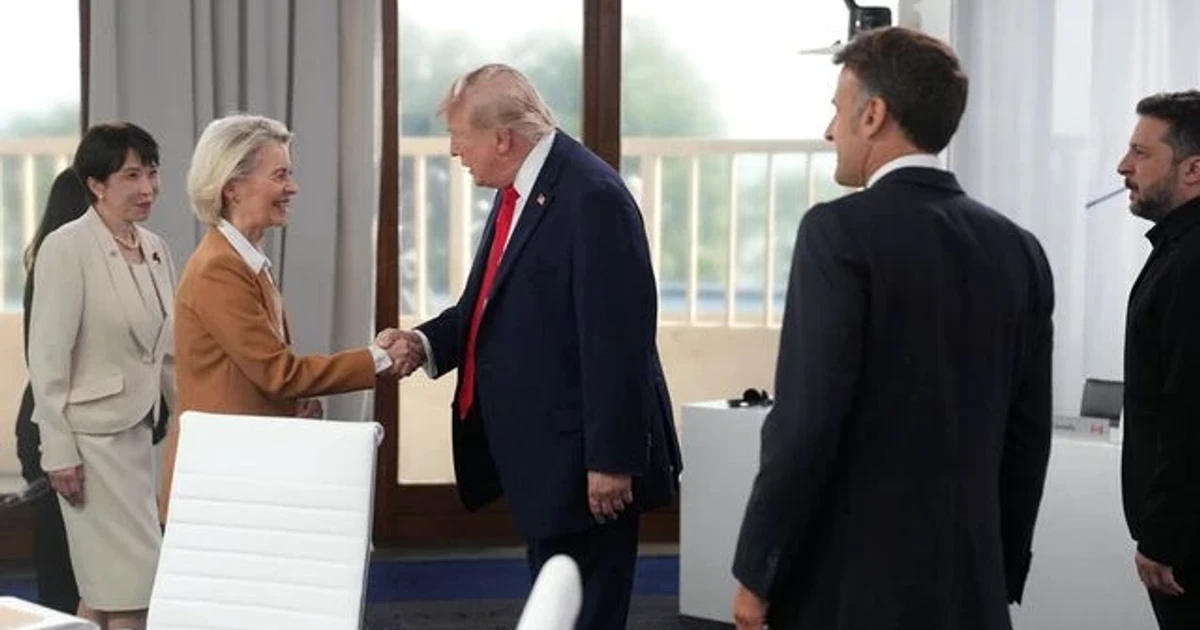
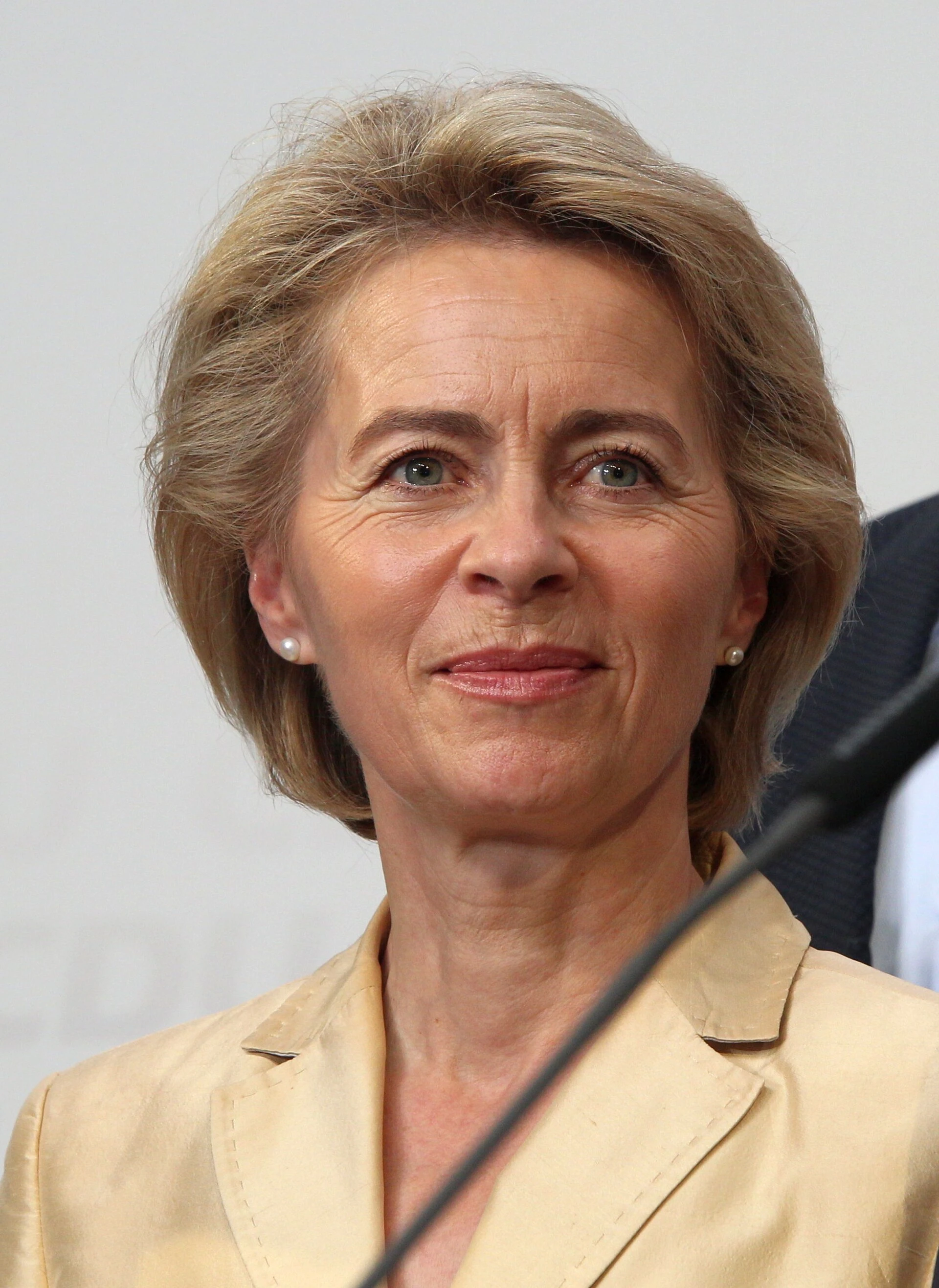
Europe should be able to use the best artificial intelligence models from the United States, Ursula von der Leyen argued in Evian-les-Bains, turning a diplomatic talking point into a question of competitiveness and strategic dependence. The European Commission president framed AI access as something that could help European businesses, researchers and public institutions move faster, while still keeping the technology inside a responsible regulatory perimeter.
Her message cut to the core of the emerging transatlantic fight over the AI stack: who supplies the most advanced models, who controls access to them, and which rules govern their use. The debate matters because AI is moving deeper into finance, banking, cybersecurity and other critical sectors, where access to frontier systems can shape productivity and market power as much as it shapes security. Von der Leyen’s pitch suggested that Europe wants the benefits of top-tier U.S. models without drifting into one-sided dependence on American firms.
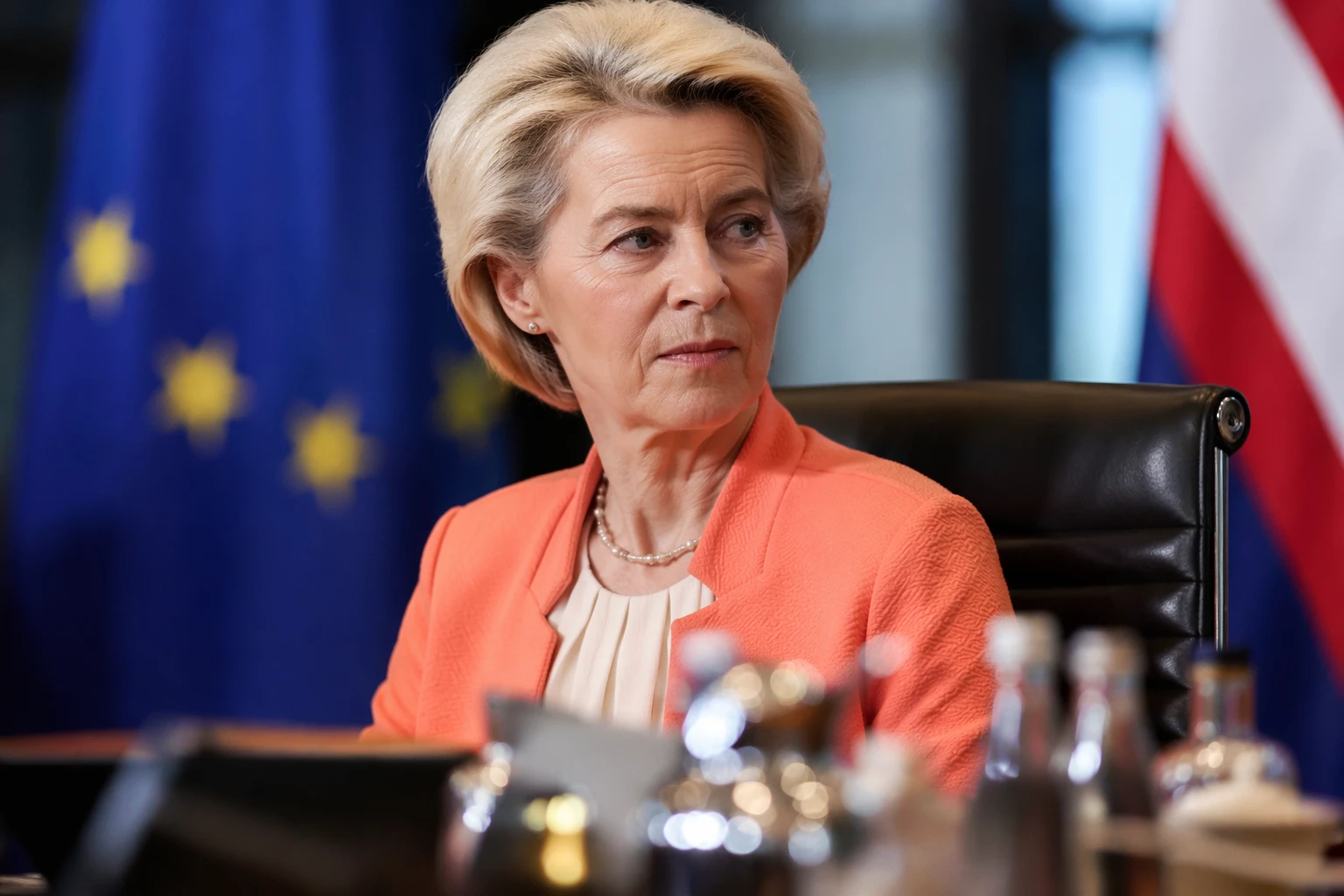
The issue surfaced as G7 leaders gathered in Évian-les-Bains, France, from June 15 to 17, 2026, with the summit agenda dominated by wars in the Middle East and Ukraine but also including global economic stability, growth and emerging technologies. Leaders discussed a plan to give select trusted partners access to advanced AI models from U.S. companies such as Anthropic, a sign that export controls and cloud access are becoming part of the same strategic conversation as tariffs and industrial policy.
The regulatory backdrop is already in place on both sides of the Atlantic. The European Union’s Artificial Intelligence Act, Regulation (EU) 2024/1689, entered into force on August 1, 2024, and the European Commission published its General-Purpose AI Code of Practice on July 10, 2025 to help providers comply with obligations for foundation and systemic-risk models. In Washington, a White House executive order issued on October 30, 2023 called for safe, secure and trustworthy AI development and stressed testing and mitigation of risks before systems are deployed.
That balance between openness and control was visible in the summit guest list as well. Sam Altman of OpenAI, Demis Hassabis of Google DeepMind and Dario Amodei of Anthropic were expected at a G7 working lunch focused on safe, rapid and effective AI deployment. Anthropic had already disabled access to its most advanced models for foreign nationals after a U.S. directive citing national security concerns, underscoring how quickly access rules can become a tool of state power. For Brussels, the central question is no longer whether AI will be regulated, but whether Europe can remain plugged into the frontier without being locked out of it.