Politics
Voters weigh scandal tolerance after Trump’s 2024 victory
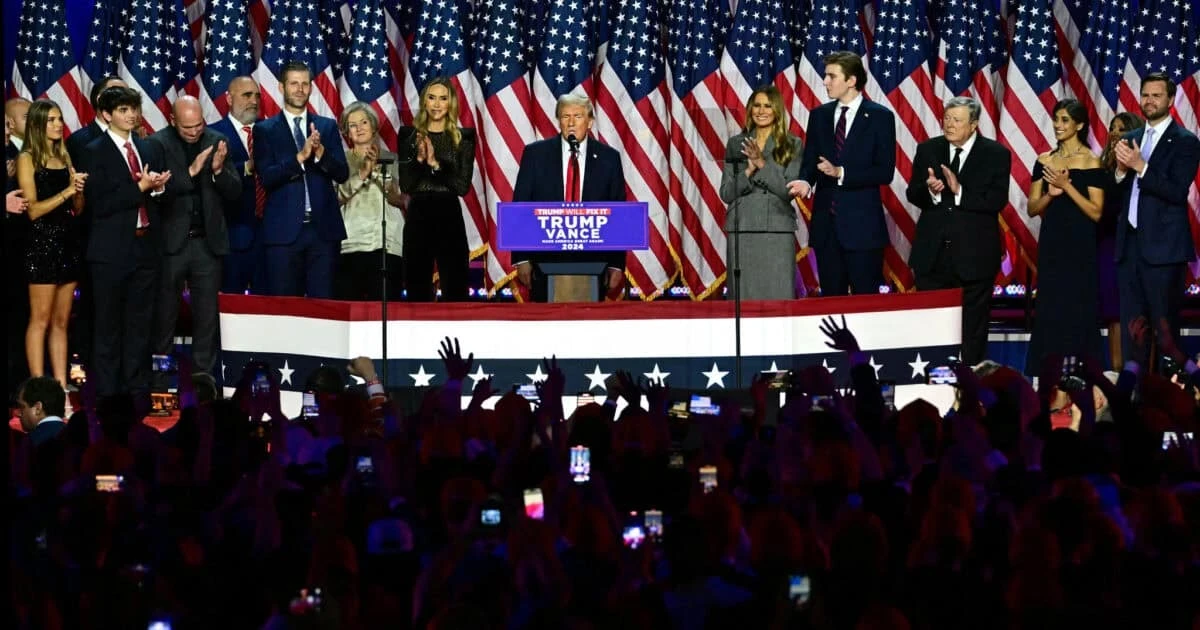
A sliver of voters sitting out an election can decide who wins in competitive states, and that reality has made scandal tolerance look less like forgiveness than arithmetic. More than 75 million eligible voters did not cast ballots in the 2020 presidential election, according to a University of Southern California Center for Inclusive Democracy study cited by Associated Press, a reminder that low participation can amplify the impact of even modest shifts in turnout.
That backdrop sharpened after Donald Trump’s 2024 victory, when election watchers treated the next major contests as an early test of how far voters would go in overlooking scandal, norm-breaking and political chaos. Coverage in 2025 described the year’s races as the first major opportunity to gauge voter sentiment after Trump’s win, and the results suggested a limit to that tolerance when opposition voters were motivated to show up.
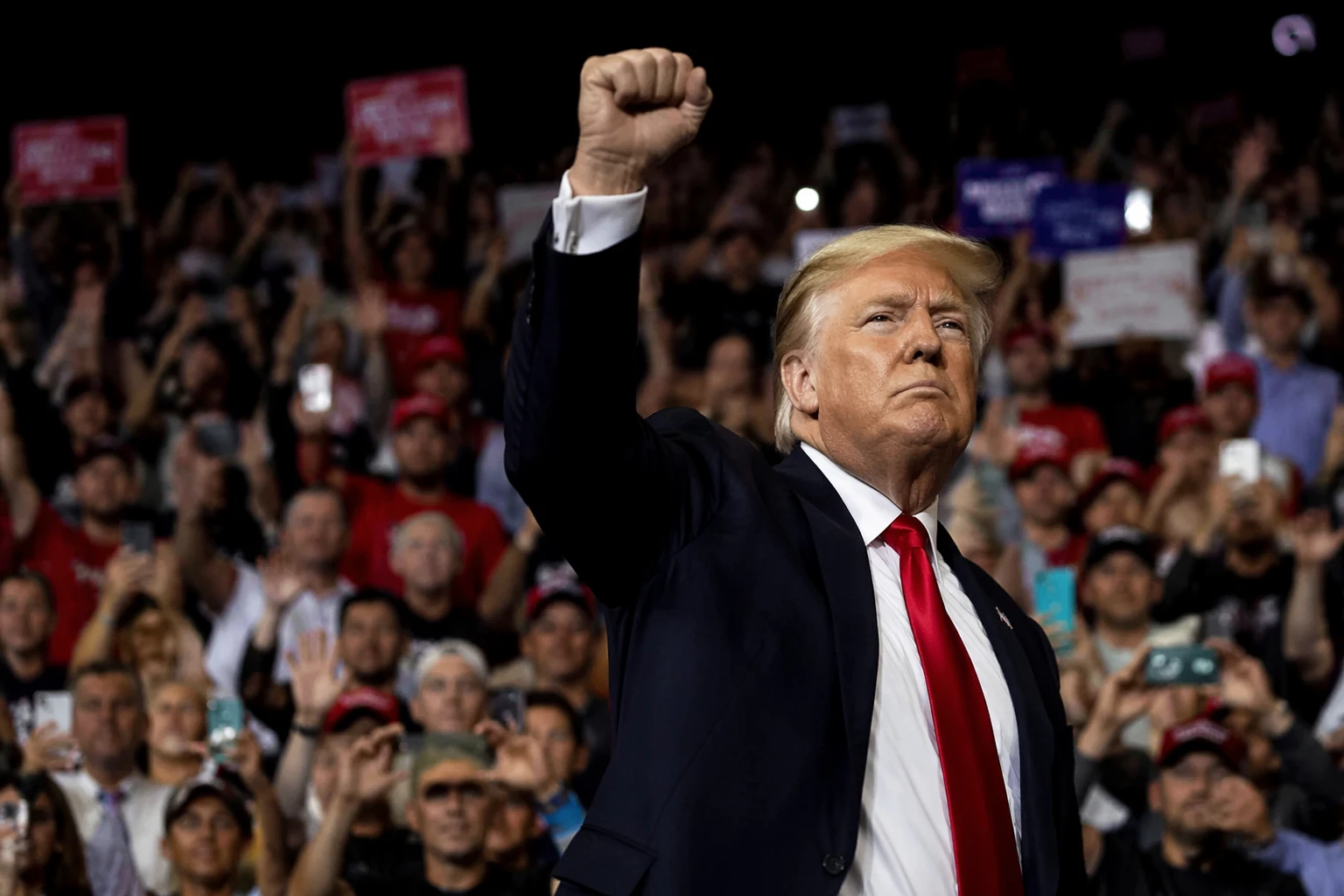
Democrats swept key races in Virginia, New Jersey and California in 2025, with candidates from different wings of the party winning on Election Day. CBS News framed those contests as the biggest test since Trump’s victory, and the sweep looked to many observers like an early referendum on whether voters were willing to extend the same indulgence to allied candidates that some had shown Trump.
The lesson for both parties is less about permanent cynicism than about when voters decide a line has been crossed. AP noted that even a small share of voters staying home could have major consequences in the most competitive states, which means scandal matters most when it changes the balance between alienated supporters and energized opponents. If one side’s base shrugs, while the other side turns a race into a turnout test, controversy can survive. When turnout rises, as it did in several high-profile 2025 races, voters can still punish behavior they see as reckless or unacceptable.
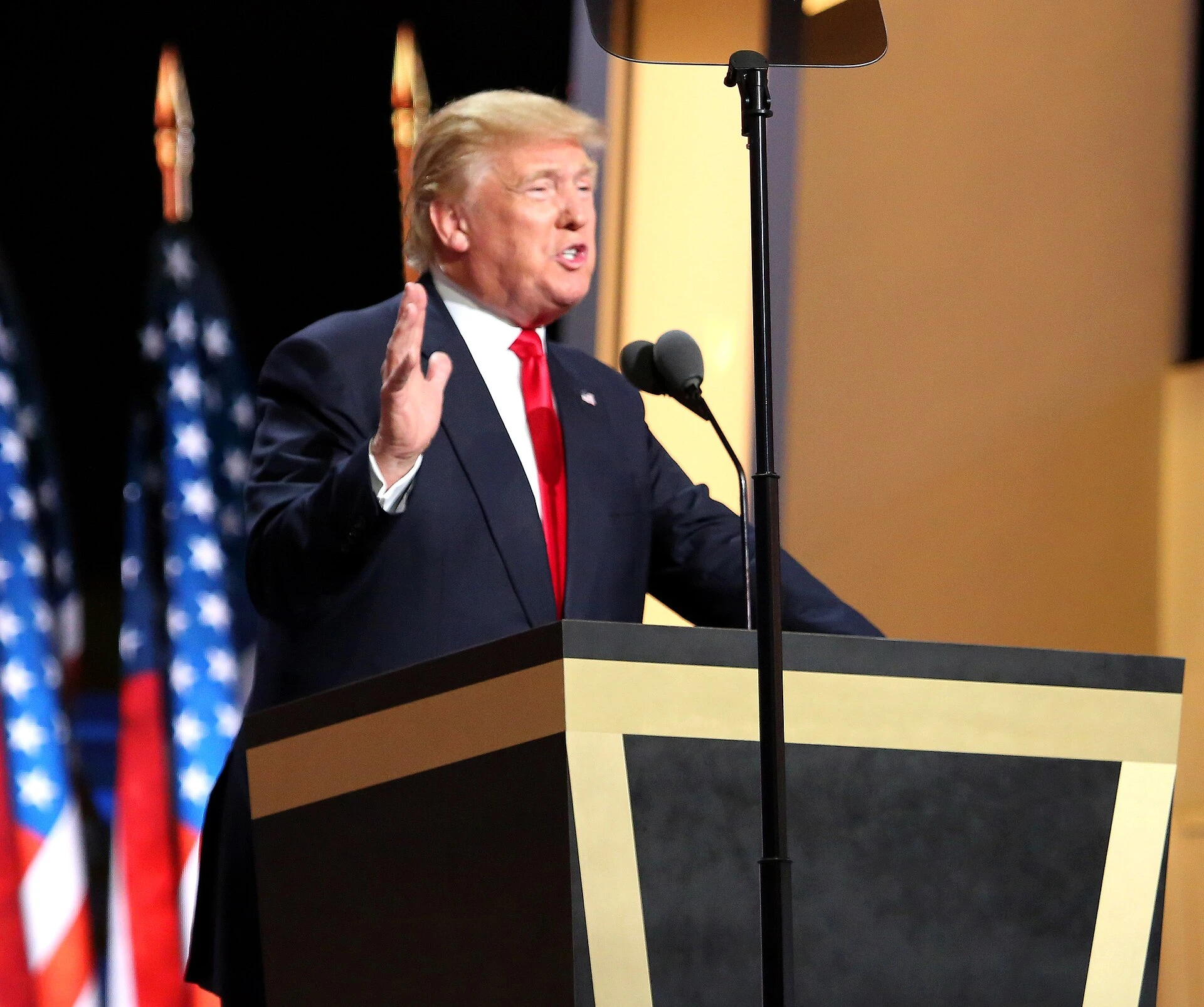
That makes scandal tolerance a moving target, not a fixed moral measure. It depends on partisan incentives, whether voters believe the race is close enough to matter, and whether the opposition can convert disapproval into turnout. The 2025 results in Virginia, New Jersey and California showed that even after Trump’s 2024 victory, there are still elections where voters draw a clear line, and make it count at the ballot box.
Sources
- [1]nytimes.com
- [2]apnews.com
- [3]cbsnews.com
- [4]usatoday.com