Sports
Wales fans face World Cup loyalty questions after Qatar return
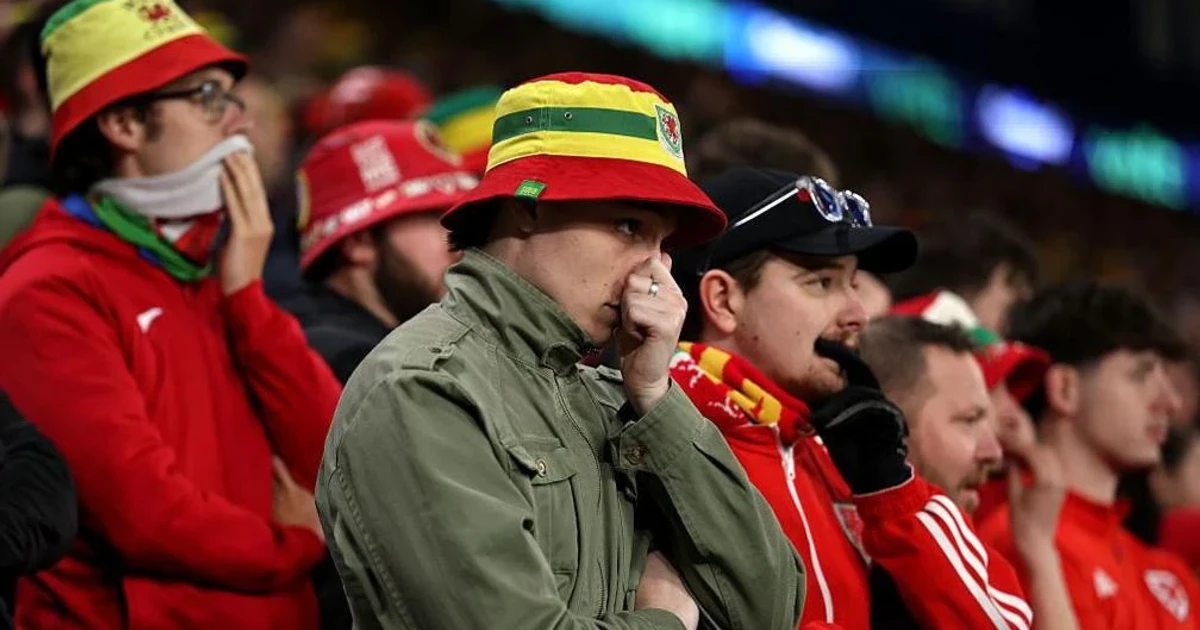
Wales’ return to the World Cup in Qatar reopened an old question for supporters who had waited 64 years for a finals appearance: when Cymru are not on the pitch, what does loyalty look like? The answer has never been just about football. It has been shaped by family links, diaspora ties, shared club loyalties, political feeling and the pull of neighboring sporting cultures.
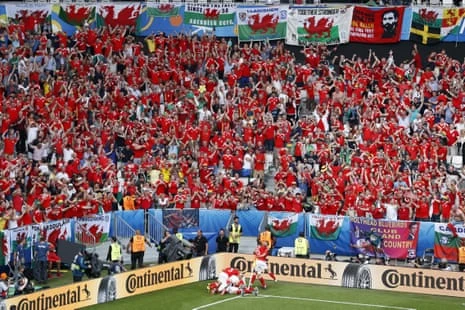
The modern Welsh identity around the national side was forged in the stands as much as on the field. By the time Wales beat Ukraine 1-0 at Cardiff City Stadium on 5 June 2022, thanks to a Gareth Bale free-kick, the Football Association of Wales was already describing that moment as the end of a 64-year wait. It was Wales’ first World Cup finals since 1958, when Jimmy Murphy’s side reached the quarter-finals before losing to eventual winners Brazil. That 1958 team remains the benchmark, but the 2022 qualification run showed how much the Red Wall had become part of the story.

That fan culture matters because Welsh support has often been expressed through collective ritual, not just results. The Football Association of Wales and Welsh media had already framed the Red Wall as a defining part of the national team’s identity during Euro 2016 and the road to Qatar. The Wales support base also built a reputation for visible activism and charity, most notably through Gôl Cymru, the supporters’ group formed in 2002 that has raised money and made donations while traveling to away games.
The symbols that gathered around the 2022 campaign gave that identity a sharper edge. Bucket hats returned as a visual shorthand for Welsh pride, while Dafydd Iwan’s 1983 song Yma o Hyd was revived as the team’s unofficial anthem. WalesOnline reported that the official World Cup version featured 70,000 Red Wall voices, turning a familiar folk song into a mass national chorus. For fans who could not follow Wales every cycle, those symbols offered a way to belong anyway.
That is why the loyalty question never really disappears for Welsh supporters. When Wales are absent, backing another side is rarely a simple sporting calculation. It is filtered through family history, politics, club culture and the daily realities of being Welsh in a wider football world. Qatar did not solve that tension. It only made Wales’ own presence feel more valuable, and more singular, once the wait finally ended.
Sources
- [1]bbc.com
- [2]faw.cymru
- [3]walesonline.co.uk