Business
Wall Street banks post profit surge on deal fees and trading gains
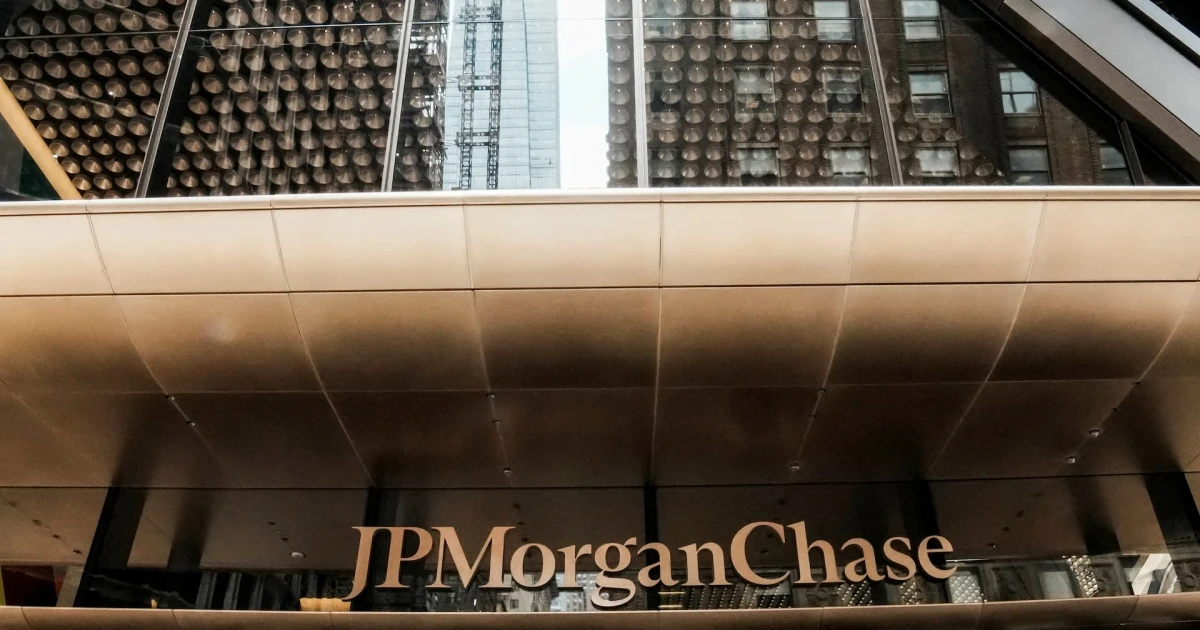
JPMorgan Chase and Morgan Stanley powered Wall Street’s second quarter with results lifted by deal fees and trading gains, capped by JPMorgan’s $21.2 billion in net income, or $7.70 a share. JPMorgan’s firmwide revenue reached $57.3 billion, and LSEG data showed the bank’s quarterly profit was the highest ever posted by a U.S. bank.
Morgan Stanley also delivered a strong quarter, with net revenues of $21.3 billion and net income of $5.6 billion, or $3.46 a share. The bank said revenue was driven by strong deals activity and active markets, a combination that helped offset a more uneven backdrop for lending and broader economic growth.
The earnings strength reflected two familiar drivers for the biggest U.S. banks: advisory and underwriting fees from mergers, stock sales and refinancing, plus trading revenue tied to swings in equities, bonds, currencies and commodities. In JPMorgan’s case, big-ticket initial public offerings and dealmaking pushed investment banking fees to their highest levels since 2021. SpaceX’s initial public offering was a notable contributor to the quarter’s fee haul.

Goldman Sachs, Bank of America and Citigroup also benefited from the same mix of stronger dealmaking and trading activity, extending a rebound in capital-markets business across Wall Street. Financial Times league tables showed JPMorgan, Goldman Sachs, Morgan Stanley and BofA Securities among the top banks by year-to-date 2026 deal fees, with JPMorgan at $3,103.05 million and Goldman Sachs at $2,485.75 million.
The results also underscored how exposed banks remain to the broader economy and policy environment. Trade tensions, inflation trends, central bank decisions and war-related market volatility can all create opportunities for trading desks, even as those same forces make ordinary lending and business investment harder to forecast. Wall Street banks warned about risks to the economy and markets even as earnings improved, a reminder that strong trading and fee income can coexist with a fragile operating backdrop.

For investors, the quarter reinforced how quickly bank earnings can swing when corporate clients return to merger talks, capital raising and refinancing. The same volatility that unsettles markets can also fill trading desks and revive advisory pipelines, giving the industry a profitable mix that produced one of its strongest earnings stretches in years.
Sources
- [1]reuters.com
- [2]jpmorganchase.com
- [3]morganstanley.com
- [4]markets.ft.com
- [5]cnbc.com