Business
Wall Street banks post strong second quarter as trading and deal fees surge
JPMorgan Chase posted record quarterly profit for a U.S. bank as five of the six largest U.S. banks released second-quarter results around the same time, and the clearest force behind the numbers was a rebound in trading and investment banking, not loan growth. Bank of America and Citigroup also turned in standout results as markets and dealmaking stayed active.
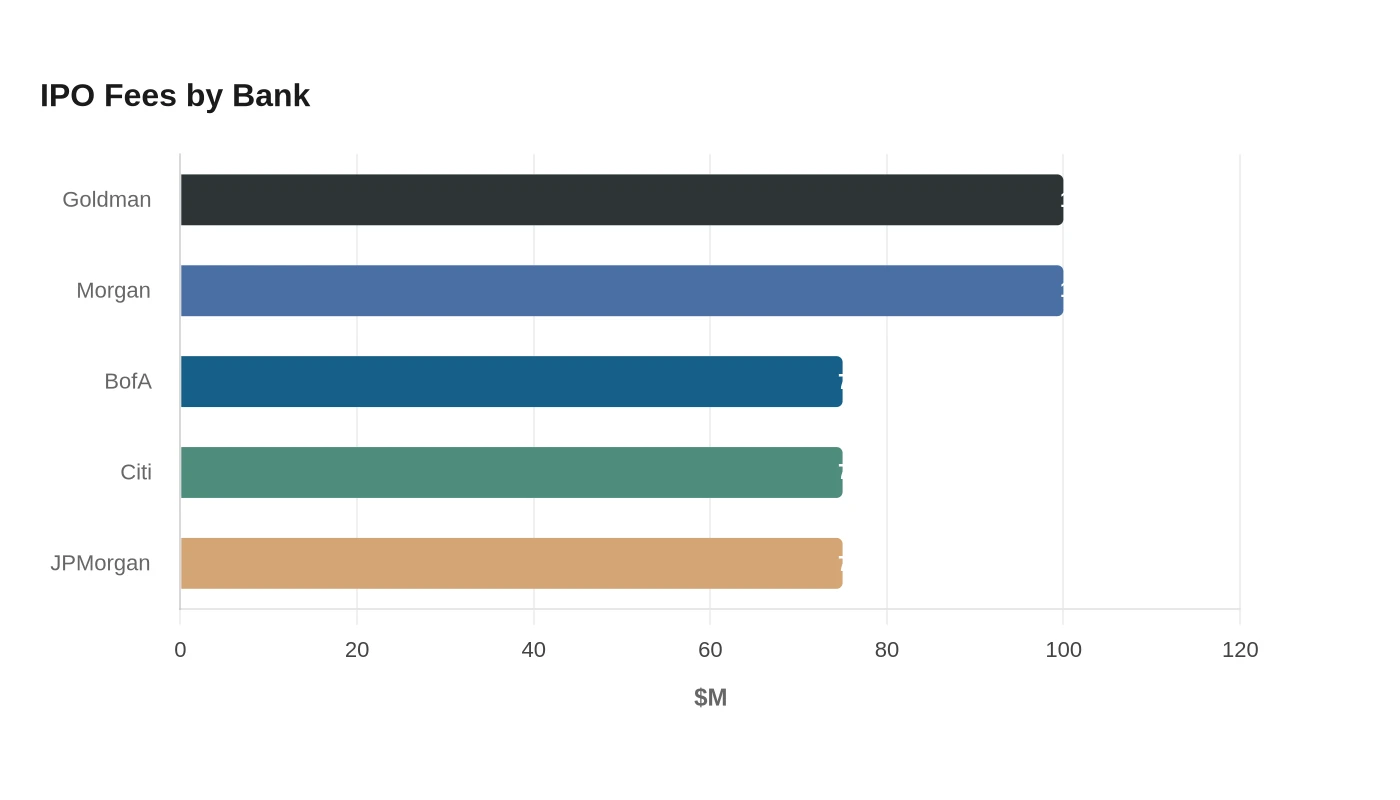
SpaceX's roughly $75 billion initial public offering generated about $500 million in underwriting fees, or roughly 0.7% of proceeds. Goldman Sachs and Morgan Stanley each received about $100 million from the fee pool, while Bank of America, Citigroup and JPMorgan Chase each received about $75 million. The transaction helped lift Wall Street’s second-quarter fee income to a four-year high.

That strength reflected a broader pickup in mergers-and-acquisitions work, equity offerings and trading volumes. Banks were busy on both sides of the business, advising companies that wanted to do deals and underwriting the stock sales that often follow. Analysts expected stronger fee income heading into the quarter because of SpaceX and a wider rebound in deal activity.
Bank of America chief financial officer Alastair Borthwick said the bank had seen “really terrific” global markets performance and investment banking performance and that business continued to feel good. Bank of America expects full-year 2026 net interest income to grow at the upper end of its 6% to 8% forecast range, giving the bank a firmer earnings outlook even as lending margins remain under pressure from high rates.
U.S.-Iran tensions, oil-price moves and uncertainty around interest rates and persistent inflation kept clients active. That backdrop drove hedging, repositioning and more frequent trading across markets, while the broader economy still faces higher borrowing costs and uneven access to capital.
Sources
- [1]money.usnews.com
- [2]msn.com
- [3]finance.yahoo.com
- [4]fxbus.com
- [5]brecorder.com