Business
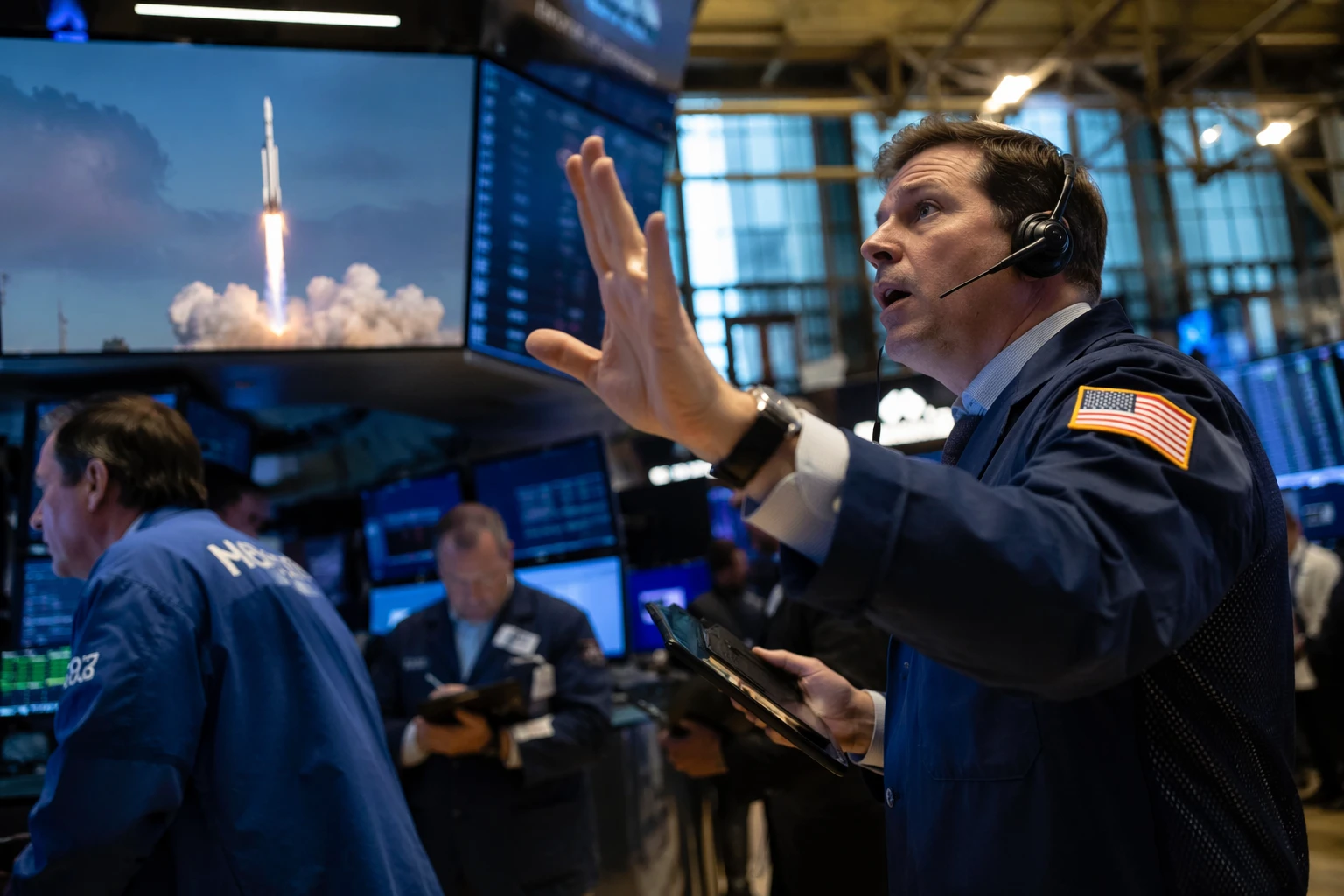
Wall Street braces for trading surge as Russell adds SpaceX

SpaceX will enter the Russell 1000 when FTSE Russell’s 2026 reconstitution takes effect after the U.S. market close on Friday, a shift that will force index funds and benchmarked managers to rebalance holdings across the market. Nearly $150 billion in estimated turnover is tied to the reshuffle.
Friday’s close will cap the first year in more than 30 years that the Russell indexes are being reconstituted twice instead of once. FTSE Russell moved to a semi-annual schedule in 2026, with June and December rebalances, and set rank day for April 30, preliminary additions and deletions for May 22, lock-down beginning June 8 and final changes after the June 26 close. The newly reconstituted indexes will begin trading with Monday’s market open.
SpaceX’s inclusion is the sharpest example of how index mechanics can move real money. FTSE Russell estimated the company’s investable market capitalization at about $70 billion, enough to clear the Russell Top 500 breakpoint and qualify under the new fast-entry rule for eligible IPOs. In the Russell 1000 context, SpaceX was classified as about 90.4% growth and 9.6% value, which means its entry will ripple through growth portfolios tied to the benchmark as well as broader large-cap index funds. FTSE Russell’s fast-entry proposal drew broad support from market participants.
The new rule also creates a faster path for future listings, including closely watched AI companies such as OpenAI and Anthropic. Eligible IPOs can be added after the close of the fifth trading day after their initial listing if they exceed the market-adjusted Russell Top 500 breakpoint, making large new listings relevant to passive investors much sooner than under the old annual cadence.
Microsoft, Apple, Amazon and Alphabet are also being shifted between growth and value buckets, while dozens of smaller companies move from small-cap indexes into larger ones. Passive funds must buy what enters, sell what leaves and absorb the price impact in a single, tightly timed window.