Business
Wall Street futures edge higher after tech selloff, Middle East tensions
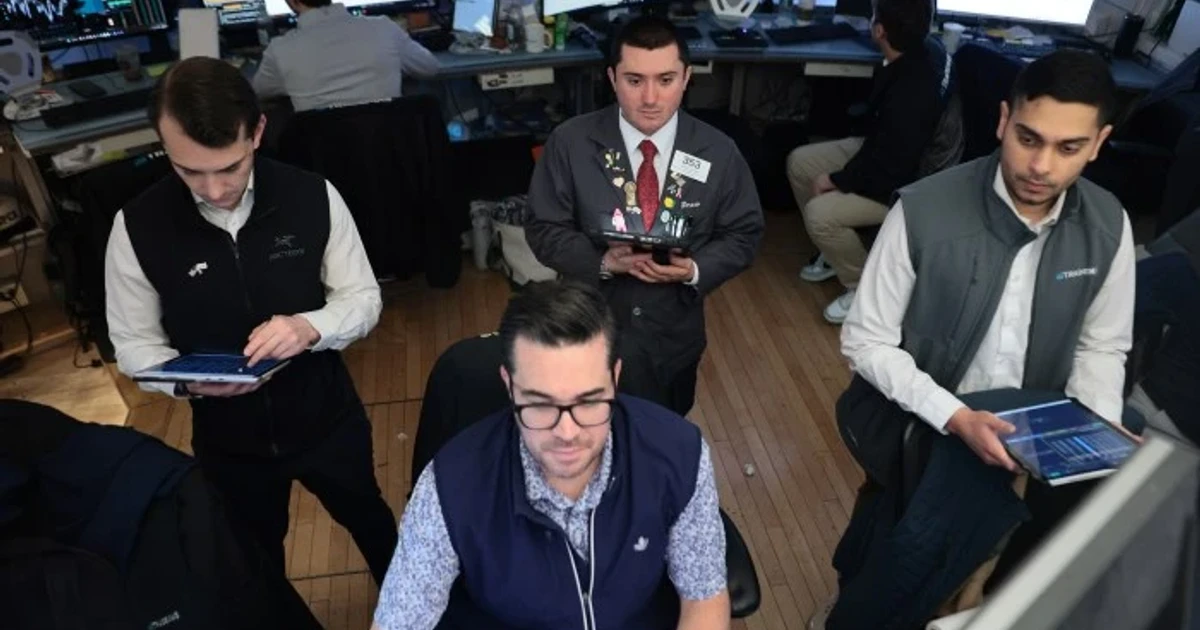
U.S. stock index futures edged higher after a tech-led selloff, as investors stayed fixed on Middle East tensions, tariff uncertainty and a crowded earnings calendar.
The tech-heavy Nasdaq had fallen as investors dumped chip stocks on worries about massive spending on AI ahead of the next round of megacap earnings. Wall Street had leaned heavily on a small group of large-growth names, and the broader market was vulnerable when those stocks faltered. The pullback also echoed earlier July trading, when caution built before Big Tech earnings and worries over AI investment began to weigh on free cash flow at the largest companies.

Oil gave traders a partial offset. Falling crude prices helped support equities on July 24, even as hostilities in the Middle East continued, easing one immediate inflation fear. Earlier in the week, oil had jumped alongside renewed concern about Middle East tensions, and on July 17 a semiconductor rout was already colliding with rising oil prices, a combination that pressured risk appetite across the market.
Tariffs added another layer of uncertainty. Investors were still trying to gauge how trade frictions could hit corporate margins, supply chains and consumer demand, particularly for firms that rely on global manufacturing and cross-border sales. The market’s recent advance had depended on megacap growth and the promise of AI-related spending translating into stronger profits later, not just larger capital budgets now.
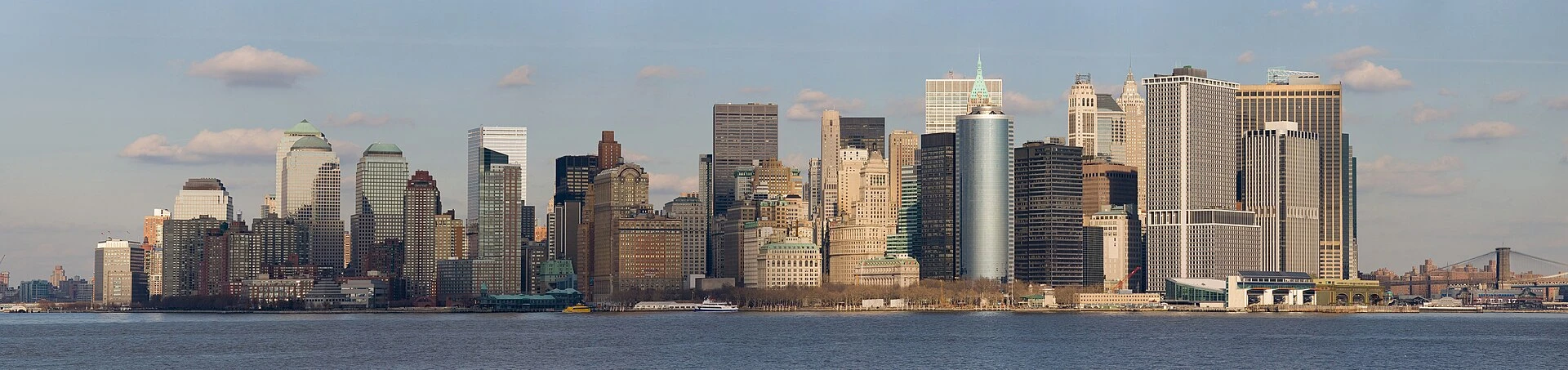
Traders were waiting for big-company results that could either calm the market or extend the selloff if spending plans looked too heavy and returns too slow. Alphabet had already become a warning sign in that debate, after its cash burn raised alarm as AI investment climbed.
Sources
- [1]reuters.com
- [2]m.investing.com