Business
Wall Street groups urge softer Basel rules to protect Treasury liquidity

Wall Street’s biggest trading groups asked U.S. regulators to soften proposed Basel capital rules, warning that the changes could make Treasury markets less liquid and push costs higher across the financial system. The letter from the Institute of International Finance, the International Swaps and Derivatives Association and the Securities Industry and Financial Markets Association went to the Federal Reserve, the Federal Deposit Insurance Corporation and the Office of the Comptroller of the Currency.
The fight matters because U.S. Treasuries are the benchmark bond market, the place where the government funds itself and where mortgage rates, repo funding and broader market pricing take their cues. If dealers are forced to commit more capital against market-making, banks say they may be less willing to intermediate trades, especially in stressed periods when liquidity matters most.

The agencies set the current showdown in motion on March 19, 2026, when they issued a joint notice of proposed rulemaking to modernize capital requirements for Category I and II banking organizations and for banks with significant trading activity. The Office of the Comptroller of the Currency said the proposal was broadly consistent with Basel Committee on Banking Supervision standards, would require affected banks to use one expanded risk-based approach instead of multiple frameworks, and would remove the advanced approaches from the regulatory capital framework. The comment deadline closed on June 18, 2026.
The industry groups argued that more risk-sensitive capital rules better support market liquidity, lower hedging and financing costs for end users, and improve the functioning of U.S. capital markets, including Treasury securities. Their letter focused on the Fundamental Review of the Trading Book, CVA risk, counterparty credit risk, securities financing transactions, derivatives and SA-CCR, and it urged regulators to delay any final rule until no earlier than January 1, 2028.
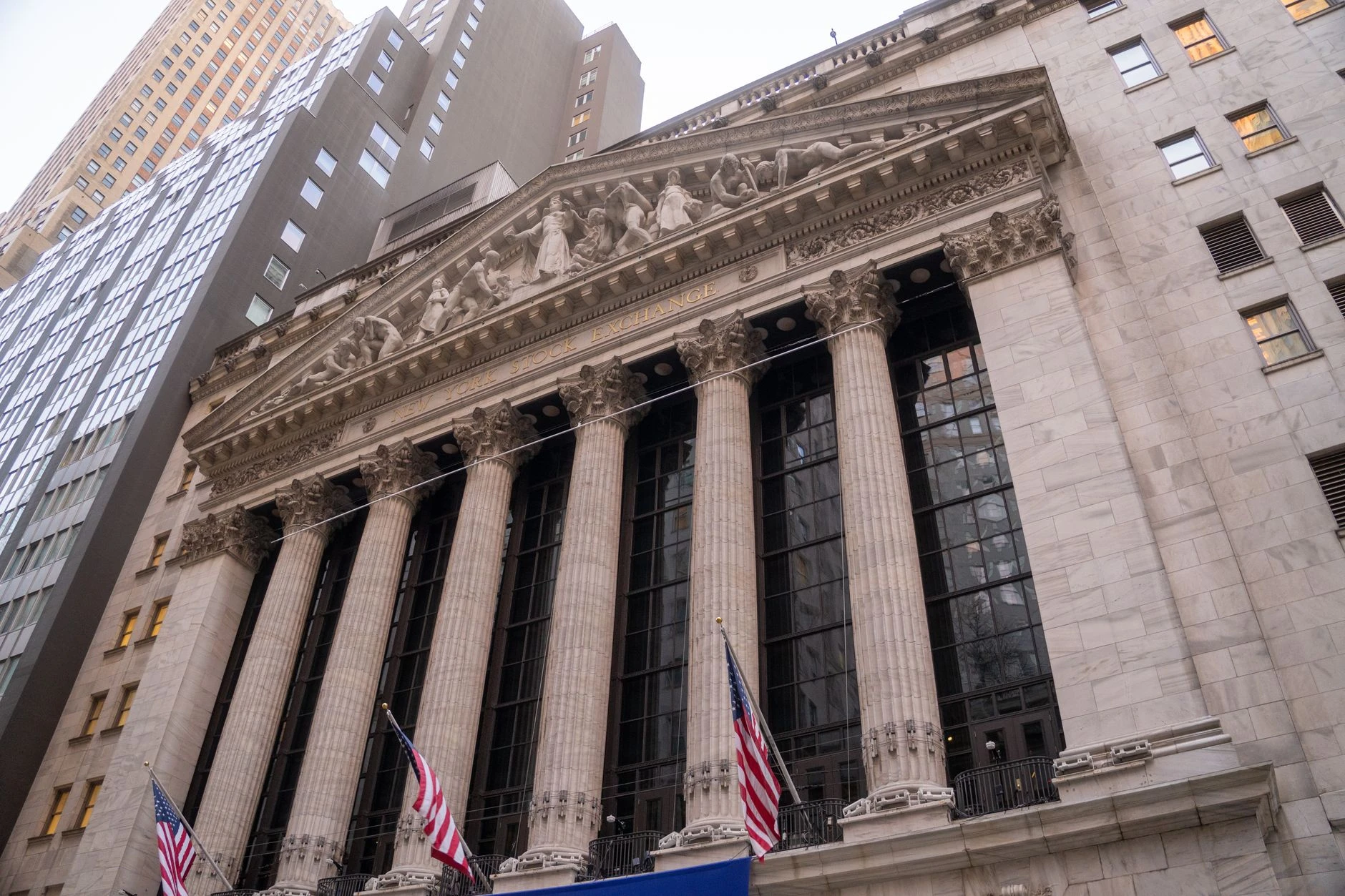
The broader dispute reflects a familiar post-crisis divide in Washington, D.C.: regulators want stronger buffers to limit systemic risk, while banks say capital rules can be written in ways that unintentionally drain liquidity from the world’s deepest bond market. Some industry summaries of the March package said regulators estimated $87.7 billion in system-wide common equity tier 1 relief, underscoring how much is still at stake as policymakers weigh safety against market function.
Sources
- [1]money.usnews.com
- [2]sifma.org
- [3]occ.gov
- [4]finance.yahoo.com
- [5]federalregister.gov
- [6]hklaw.com