Business
Wall Street rebounds as oil rises, Oracle slides on AI spending concerns
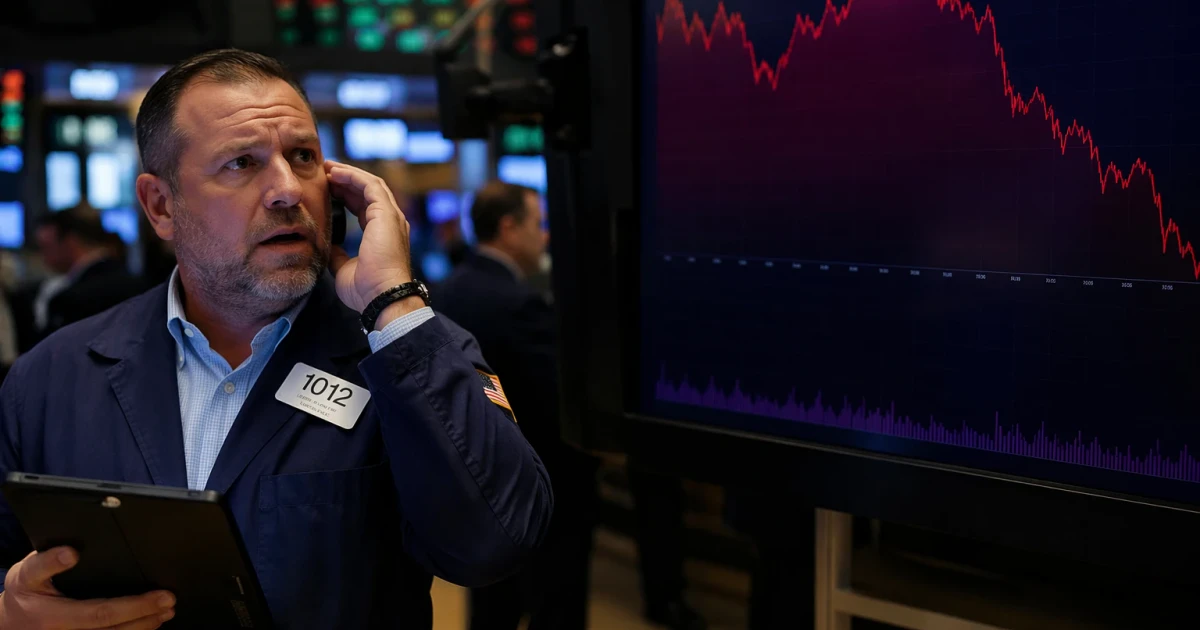
Wall Street futures steadied on Thursday, but the market was still being pulled in opposite directions by Middle East risk, inflation fears and a fresh wave of tech-sector anxiety. Oil prices climbed after U.S. strikes on Iran, Oracle sank in extended trading as investors questioned the cost of its AI push, and talk of a SpaceX initial public offering kept speculation alive.
The recovery in futures came after a bruising session on Wednesday, when hotter-than-expected U.S. inflation and renewed fighting with Iran hit shares hard. The Dow fell more than 950 points and closed below 50,000, a reminder that macro shocks can still overpower the artificial-intelligence trade and the broader hopes for a soft landing.
Oil is the clearest real-economy risk in the mix. Crude moved higher after the United States launched fresh strikes against targets in Iran, and Iran's threat to close the Strait of Hormuz intensified supply fears in one of the world's most important shipping chokepoints. If traffic through the strait is disrupted, the impact would reach far beyond energy traders, pushing up transport costs and adding pressure to consumer prices at a moment when inflation is already back in focus.
Oracle's drop told a different story, one about investors becoming less forgiving of expensive growth. The software giant reported fiscal fourth-quarter 2026 results after the market closed on Wednesday, but the stock fell in extended trading as the market focused on soaring AI and data-center spending, higher capital expenditures and the cost of sustaining its cloud buildout. Oracle's backlog has been described in recent coverage at roughly $553 billion to $638 billion, a massive number that also raises a blunt question: how much more capital will it take to turn that demand into profit?
SpaceX added a different kind of energy, closer to sentiment than to immediate economic damage. Elon Musk's company set a public offer price of $135 per share, targeting up to $75 billion in proceeds at a valuation around $1.75 trillion to $1.77 trillion. Later reporting said the offering was oversubscribed, with institutional demand running at roughly twice the amount being raised. That kind of enthusiasm can support risk appetite, but it does not offset the pressure from oil, inflation and war.
For investors, the message is increasingly split. The oil move reflects a tangible supply shock risk, while Oracle's decline shows that even the AI boom is being judged more harshly on cash outlays and execution. SpaceX is feeding the market's imagination, but the harder forces still come from the Middle East and the inflation data.
Sources
- [1]news.google.com
- [2]investors.com
- [3]investopedia.com
- [4]cnbc.com
- [5]msn.com
- [6]finance.yahoo.com
- [7]money.usnews.com
- [8]crn.com
- [9]economictimes.indiatimes.com