Business
Wall Street Slips Amid Chip Selloff and Rising Yields
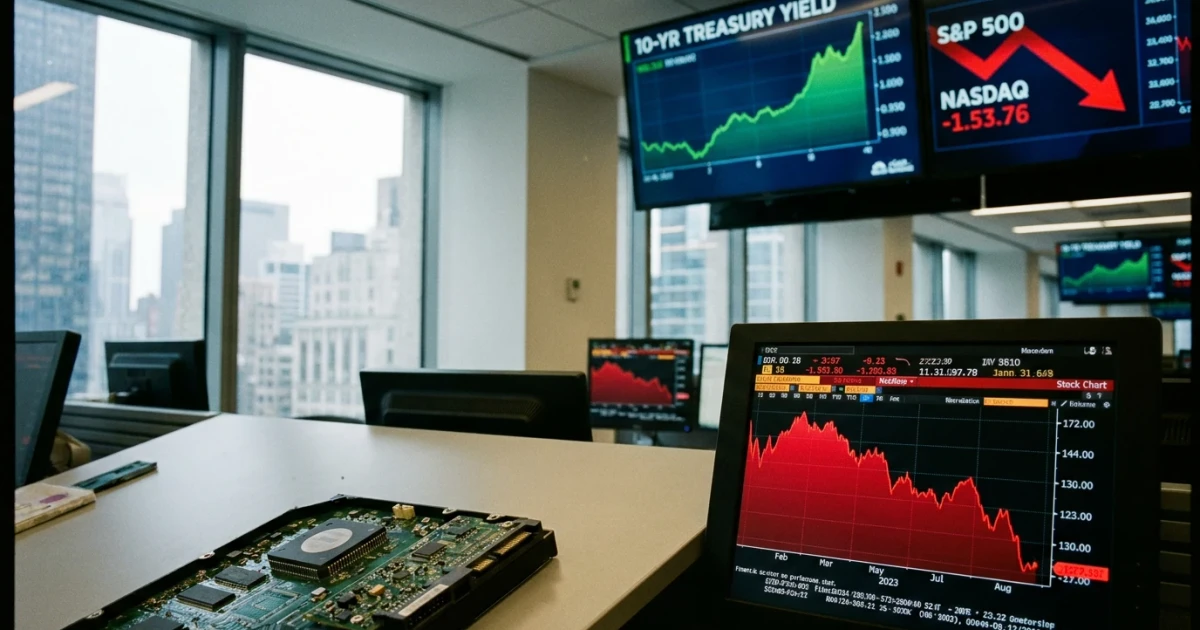
Wall Street experienced a sharp downturn on Wednesday, with the S&P 500 and Nasdaq Composite posting notable losses as semiconductor stocks sold off and Treasury yields surged in response to the latest U.S. jobs data. The market's moves highlight ongoing investor anxieties over Federal Reserve policy and economic signals from the labor market.
Chip Stocks Lead Market Declines
Semiconductor companies were at the forefront of the market's retreat, with major chipmakers seeing steep drops. CNBC reported that the selloff in chip stocks was triggered by both sector-specific concerns and broader macroeconomic factors. In recent months, semiconductors have been a bellwether for tech-driven market gains, but Wednesday’s trading saw a reversal:
- Shares of several leading chip makers declined sharply, contributing to the overall drop in the Nasdaq Composite Index.
- The S&P 500 Index also fell, reflecting the broad impact of the chip sector's performance on major benchmarks.
Sector volatility was amplified by investor concerns about future demand and supply chain disruptions, as well as reactions to global semiconductor market trends. For deeper data on the chip industry’s performance, readers can explore semiconductor market data.
Jobs Report Pushes Treasury Yields Higher
The release of the latest Employment Situation Summary showed robust payroll growth, intensifying speculation that the Federal Reserve may hold interest rates higher for longer. Following the report, the yield on the 10-year Treasury spiked, signaling that investors anticipate tighter monetary policy ahead.
- Rising yields increase borrowing costs for businesses and consumers, which can weigh on equities.
- The jobs data, while positive for the labor market, raised concerns about inflation persistence and the Fed’s next moves.
Understanding how yields affect the economy and markets is crucial. Readers can learn more about the significance of the yield curve and its implications for financial markets.
Fed Policy in Focus
The combination of strong employment numbers and rising yields led to renewed fears that the Federal Reserve might delay any rate cuts. Investors are closely monitoring the FOMC meeting calendars and statements for clues on upcoming decisions. The Fed’s policy trajectory remains a central theme for market participants, shaping expectations for both growth and inflation.
Market Impact and Investor Sentiment
Wednesday’s declines underscored the sensitivity of stocks, especially growth and tech-oriented segments, to macroeconomic signals and central bank actions. The S&P 500, which tracks large-cap U.S. companies, and the Nasdaq, dominated by technology firms, both registered losses as the trading day unfolded.
- Investors are weighing the balance between strong economic data and the risks posed by higher rates.
- Sector rotation and defensive positioning have become more pronounced amid volatility.
Looking Ahead
The interplay between robust jobs data, rising Treasury yields, and sector-specific pressures in semiconductors will continue to shape market dynamics in the coming weeks. As investors await further guidance from the Fed and monitor key economic indicators, volatility is expected to persist across major indices.
For those seeking deeper insights into market performance and sector trends, accessing live and historical data for the S&P 500 and Nasdaq Composite can provide context on recent movements and longer-term patterns.
Ultimately, the latest slide on Wall Street reflects the intersection of economic strength, monetary policy uncertainty, and sector volatility—a combination that will likely dominate financial headlines as summer progresses.