Wall Street Concerns Grow Over Trump's Fed Chair Pick
Donald Trump's choice for Federal Reserve chair has rattled Wall Street, prompting concern among investors and economists about the future direction of monetary policy.

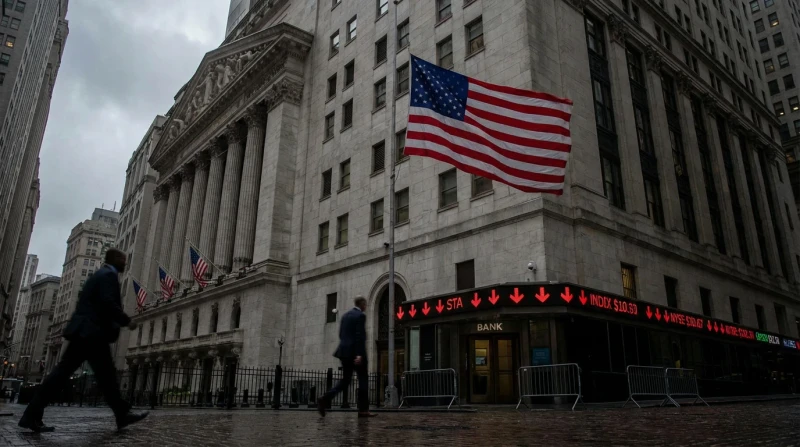
Wall Street is sending a clear signal of anxiety after former President Donald Trump named his preferred pick for the next Federal Reserve chair. The decision, seen as pivotal for the U.S. economy's trajectory, has sparked wide-ranging concern among investors, financial analysts, and economists who fear a shift in the Fed's traditionally independent approach to monetary policy.
Trump’s Pick Faces Investor Skepticism
While the Federal Reserve's leadership is always a matter of close scrutiny, this latest nomination has generated a particularly intense reaction. Market participants worry that the new chair could bring a more politicized and less predictable stance to critical decisions on interest rates and inflation.
- Wall Street typically favors Fed chairs with a reputation for independence and a steady hand on policy, aiming to prevent political interference from distorting economic signals.
- There are concerns that the nominee’s views align too closely with Trump’s preference for lower interest rates, regardless of inflation trends or broader economic data.
Economists Sound the Alarm
Across the financial sector, economists are highlighting the importance of the Federal Reserve's autonomy. According to analysis, a Fed chair perceived as beholden to the political agenda of the White House could undermine confidence in the central bank’s commitment to its dual mandate: stable prices and maximum employment.
Historically, the Fed’s credibility in fighting inflation and maintaining economic stability has rested on its ability to resist short-term political pressures. Investors are signaling worry that this tradition may be at risk, with some noting that market volatility could increase if the central bank’s direction becomes less predictable.
Market Implications and the Path Forward
The immediate market reaction to the announcement was negative, reflecting a broader uncertainty about how the next Fed chair will approach the current economic landscape. At a time when inflation remains a persistent challenge, and the path forward for interest rates is hotly debated, leadership at the Federal Reserve is more crucial than ever.
- Some analysts predict that if the new chair pursues aggressive rate cuts favored by Trump, it could stoke inflationary pressures rather than achieving lasting growth.
- Others warn that undermining the Fed’s independence could lead to higher long-term borrowing costs if investors lose faith in the central bank's commitment to price stability.
Why Wall Street’s Reaction Matters
Wall Street’s response to Federal Reserve leadership is not just about investor sentiment; it affects the real economy. The Fed’s policies influence everything from mortgage rates to business investment and consumer confidence.
As the nomination process unfolds, all eyes are on how the Senate and financial markets will respond, and whether the new chair will seek to assure skeptics of their commitment to the central bank’s historic role.
For further analysis on Federal Reserve policy and market reactions, visit the Federal Reserve's official monetary policy page.
Looking Ahead
The coming weeks will be pivotal for both the nominee and the broader U.S. economy. Investors and policymakers alike will be watching closely for signals that the next Fed chair understands the delicate balance between economic growth and inflation, and is prepared to defend the institution’s independence in turbulent times.
Sources
- [1]Axios

Sarah Mitchell
Political correspondent with a sharp eye for the mechanics of government. Covers legislation, elections, and civic affairs with a focus on what policy changes actually mean for everyday people.