Politics
Waltz, Graham and Crow discuss U.S.-Iran deal on Face the Nation
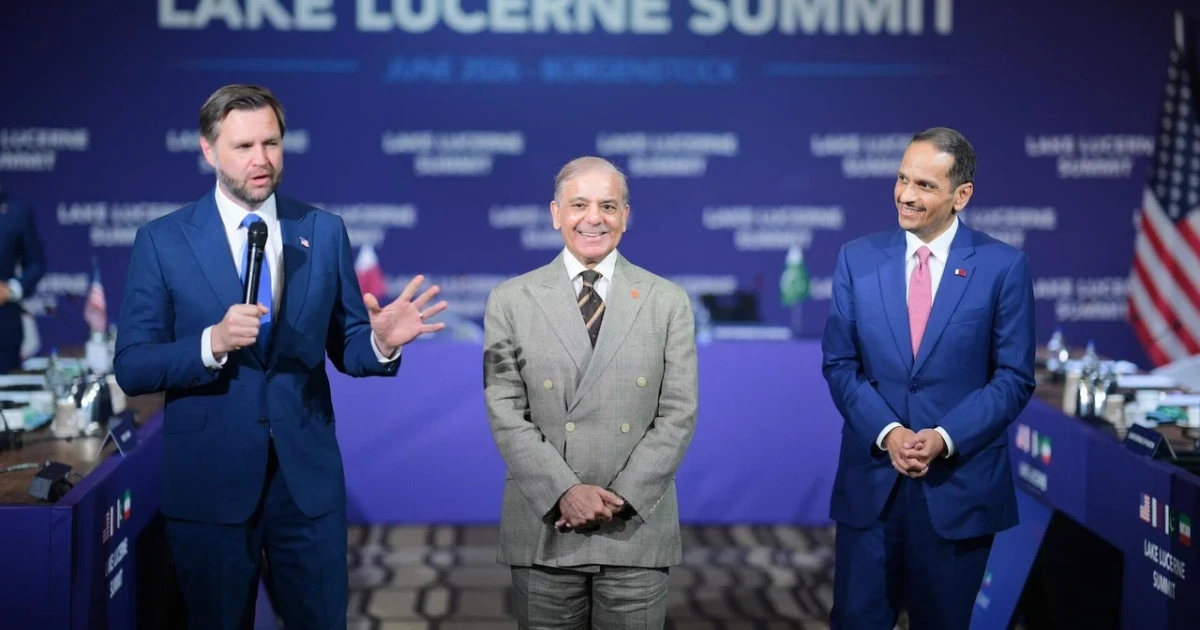
The Trump administration’s new Iran truce met an immediate stress test on Face the Nation, where U.N. Ambassador Mike Waltz, Republican Sen. Lindsey Graham and Democratic Rep. Jason Crow confronted the political and diplomatic risks of a fragile deal. CBS said the agreement had opened a 60-day negotiating clock on Iran’s nuclear program and marked the first face-to-face U.S.-Iran meeting since President Donald Trump agreed to a truce.
The episode centered on what remains unsettled: sanctions relief, the scope of Iran’s nuclear commitments and whether Tehran will honor the arrangement at all. CBS said tensions also remained high with the Netanyahu government over Israel’s attacks on Lebanon, while some Republicans were already criticizing concessions to Iran, including language on ballistic missiles. The panel later added Anthony Salvanto, Amos Hochstein and Kevin Book, signaling that the White House’s deal would be judged not only on diplomacy, but also on public opinion and energy markets.
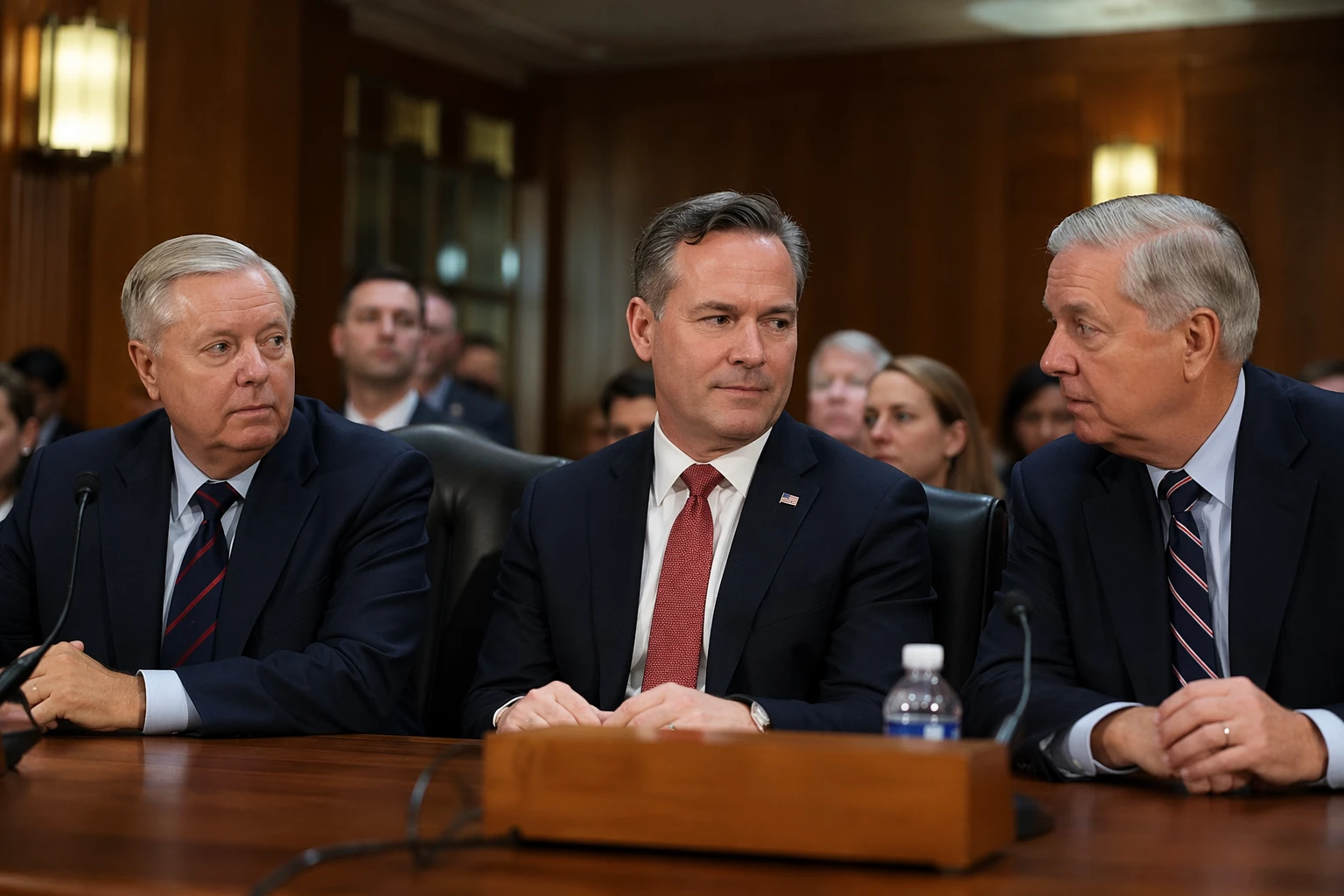
Waltz sought to frame the truce as a win for American security and pocketbook politics. CBS reported that he said the administration was “laser focused” on keeping Iran from getting a nuclear weapon, and pointed to oil prices below $80 a barrel as evidence the market had already moved in the right direction. His argument was that Americans want lower energy prices and no Iranian nuclear bomb, a message aimed as much at skeptical voters as at Congress.
Graham drew a sharper line on money. He said he would support a proposed $300 billion reconstruction or stabilization fund for Iran only if Gulf Arab states, not the West or the U.S., paid for it. He compared Western financing to “a Marshall Plan for Germany with the Nazis still in charge,” and said he doubted Saudi Arabia, Qatar and the United Arab Emirates would actually invest.

The pushback was broader than Graham’s warning. CBS said senior Trump national security officials, including Secretary Marco Rubio, reportedly doubted Iran would comply, and that the CIA director had shown Trump intelligence pointing to inconsistencies in Iran’s commitments. Republican critics Ted Cruz, John Cornyn, Tom Cotton and Bill Cassidy argued that any money released to Iran could flow to missiles, drones and proxy groups such as Hezbollah and Hamas. With the Strait of Hormuz, Lebanon and sanctions relief still in play, the administration’s first public defense of the deal was less a victory lap than an early referendum on whether Trump can sell an interim Iran accord as strength rather than retreat.
Sources
- [1]cbsnews.com
- [2]cnn.com
- [3]rollcall.com
- [4]cfr.org