World
Waltz says all options are on table after Iran strikes
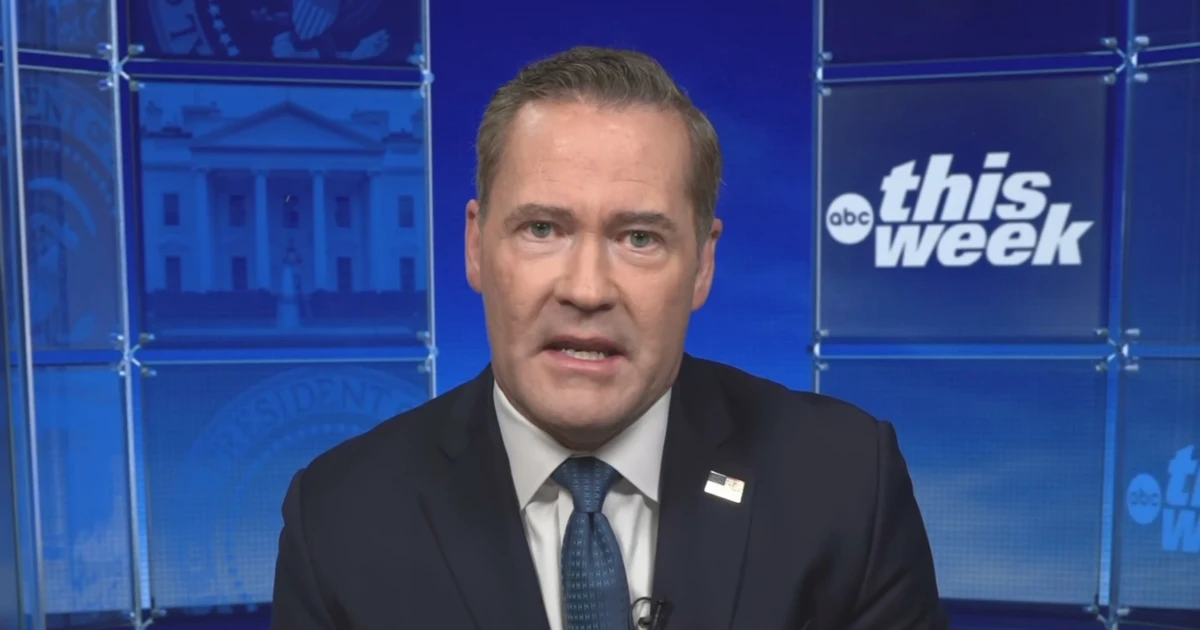
Mike Waltz said the Trump administration had “all options are on the table” after U.S. strikes on Iran, coming the morning after the attack that followed an Iranian strike on a vessel in the Strait of Hormuz. The remarks on ABC News underscored how quickly the confrontation has widened around the narrow waterway that carries roughly one-fifth of the world’s oil consumption.
The key verification gap remains the deal itself. Waltz had said on June 14 that the United States and Iran were working toward a memorandum of understanding, with a 60-day follow-on period tied to reopening the Strait of Hormuz, and he described the arrangement as “performance-based.” He also said Iran was “not living up to it,” but U.S. officials acknowledged that the exact terms had not been fully disclosed.
That matters because Washington has presented Iran as the aggressor in a chokepoint the State Department calls a critical artery of global trade. On May 5, the State Department said the United States, Bahrain, Saudi Arabia, the United Arab Emirates, Kuwait and Qatar had drafted a United Nations Security Council resolution to defend freedom of navigation in the strait and require Iran to stop attacks, mining and tolling. The department has separately said Iran continues to threaten ships there, laid sea mines that endanger navigation and tried to charge tolls for transit.
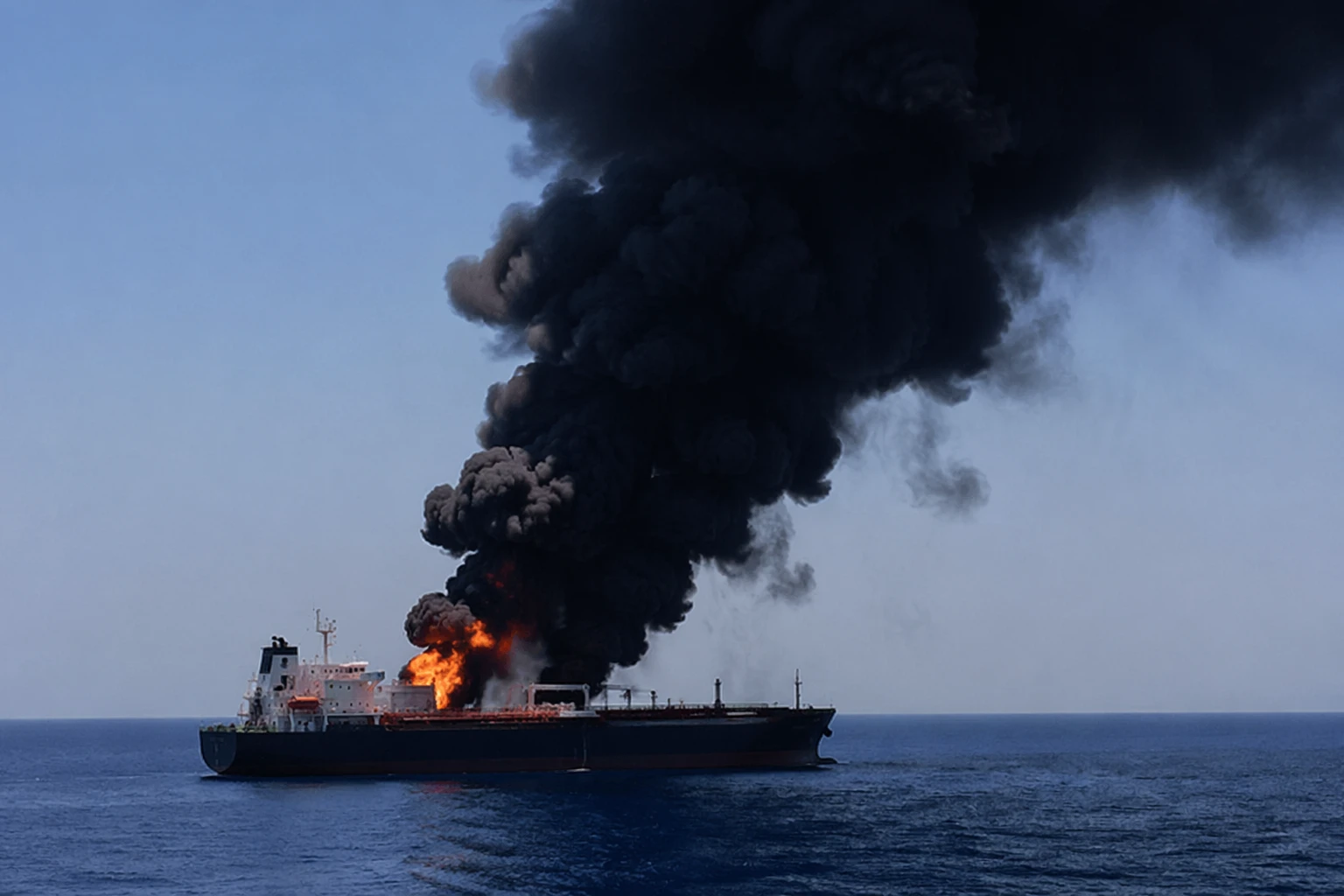
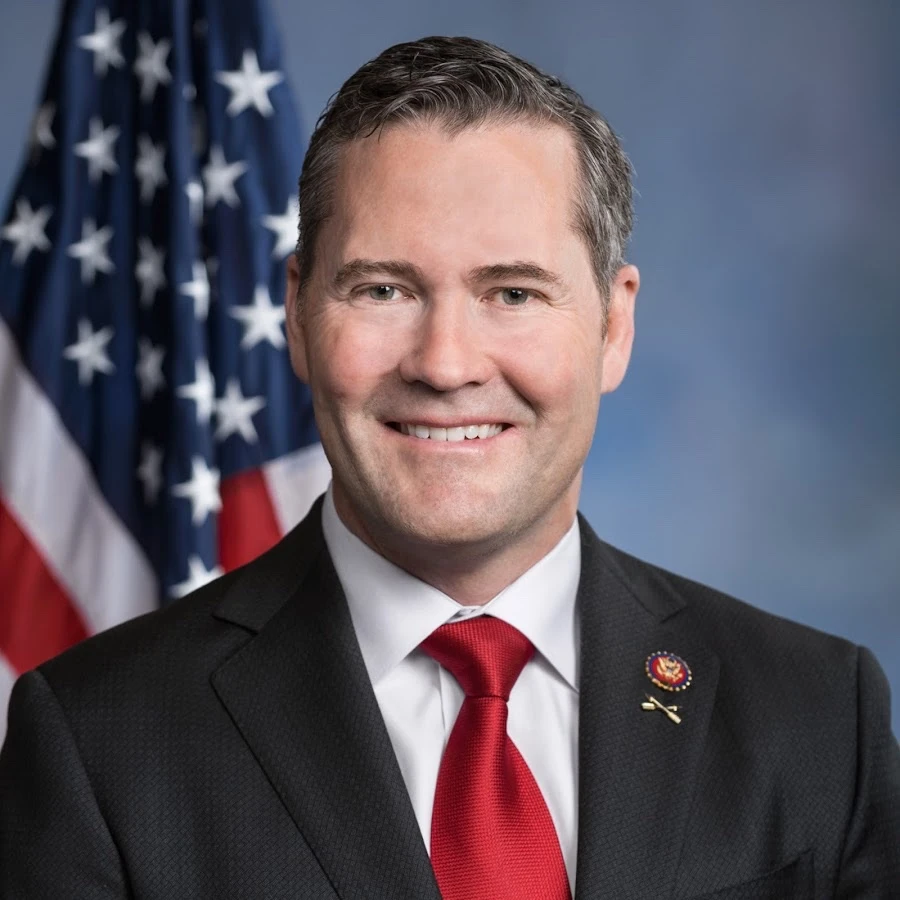
Secretary of State Marco Rubio has drawn a hard line on that risk. He said the United States could not accept a world in which ships had to coordinate with Iran or pay a toll to pass through the Strait of Hormuz. The State Department has framed the dispute as part of a longer pattern of Iranian aggression, arguing that Tehran had unlawfully closed the waterway and used pressure there to advance broader aims.
The administration’s economic strategy has been to squeeze the revenue behind that pressure. State Department officials have said Washington is targeting Iran’s shadow fleet and oil network to cut off money used for destabilizing activity, including ballistic missiles and nuclear programs. Sanctions in 2026 have hit vessels, vessel-management companies, entities and individuals tied to Iranian petroleum and petrochemical trade.
For Washington, the question is no longer just whether the strikes deterred the latest attack. It is whether the response still fits a containment strategy or whether the fight is moving toward a wider regional confrontation that could rattle shipping lanes, lift oil-risk premiums and force Congress to confront another escalation in the Gulf.
Sources
- [1]abcnews.com
- [2]state.gov