Business
War-driven inflation may stay high for months, economists warn

Even if the Iran war ends quickly, the inflation shock is likely to linger in gas tanks, grocery aisles and airline fares for months. Economists say crude oil, refinery buying patterns and disrupted food and fuel supply chains can keep prices elevated long after the fighting stops.
Mark Zandi, chief economist at Moody’s Analytics, said the ideal outcome would be a rapid end to the war, a fully reopened Strait of Hormuz and a sharp drop in energy prices and inflation, with wages rising in step. But he said that is not the most likely path, warning consumers to “buckle up” and expecting war-amplified inflation to persist for the next six to 12 months.
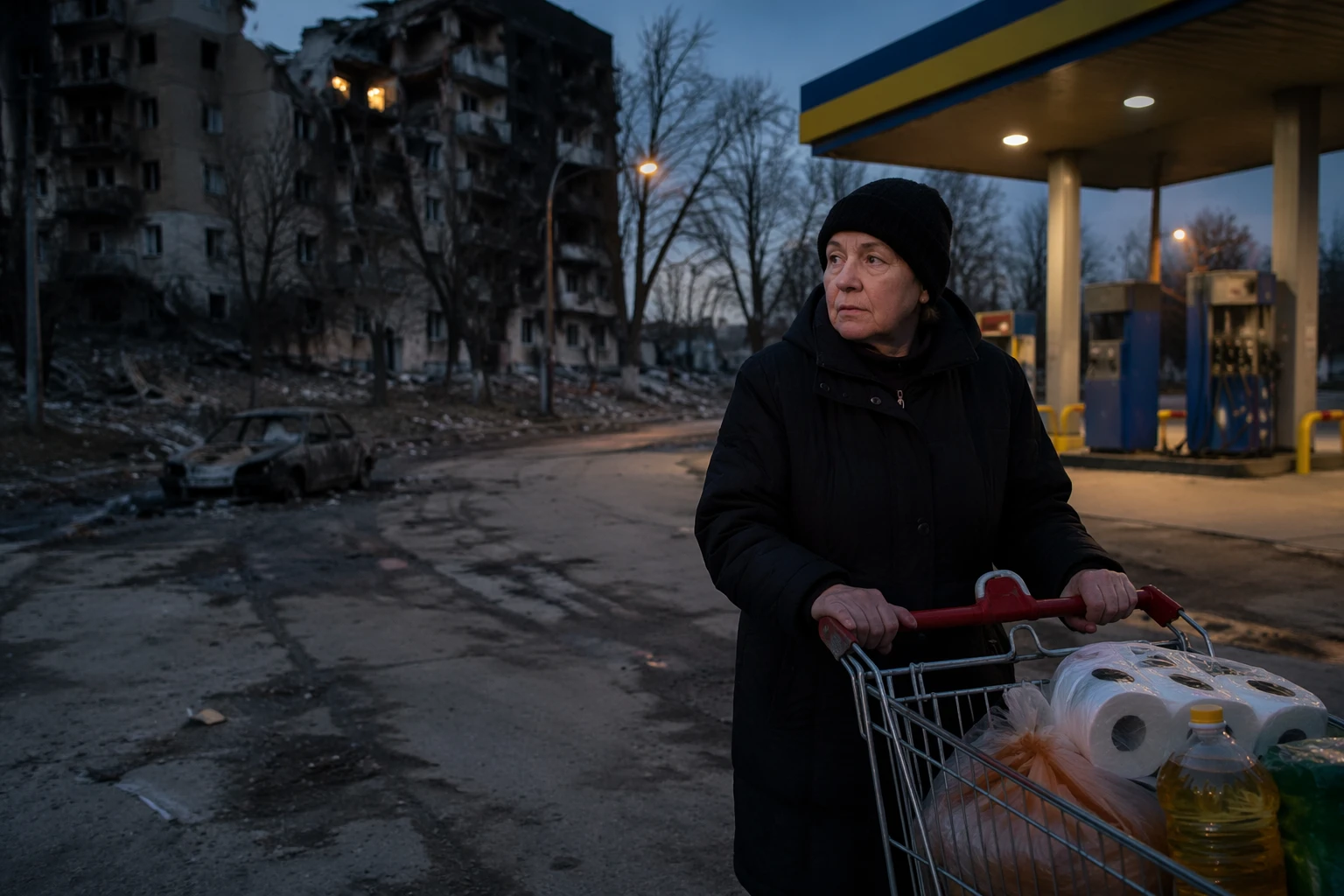
That warning comes on top of an already stretched price environment. The U.S. Bureau of Labor Statistics said consumer prices rose 4.2% in May from a year earlier, pushing inflation above 4% for the first time in three years. The Federal Reserve held interest rates steady on June 18, 2026, amid the highest inflation since 2022, and Fed Chair Kevin Warsh said the central bank remained committed to bringing inflation back to 2%.
Diane Swonk, chief economist and managing director at KPMG US, said the new shock is landing on top of inflation Americans have lived with for the past five years, including pressure from the Russia-Ukraine war and the uneven post-pandemic reopening. Brett House of Columbia Business School said the conflict has not made the American consumer better off and argued that, by almost any measure, the world is worse off.
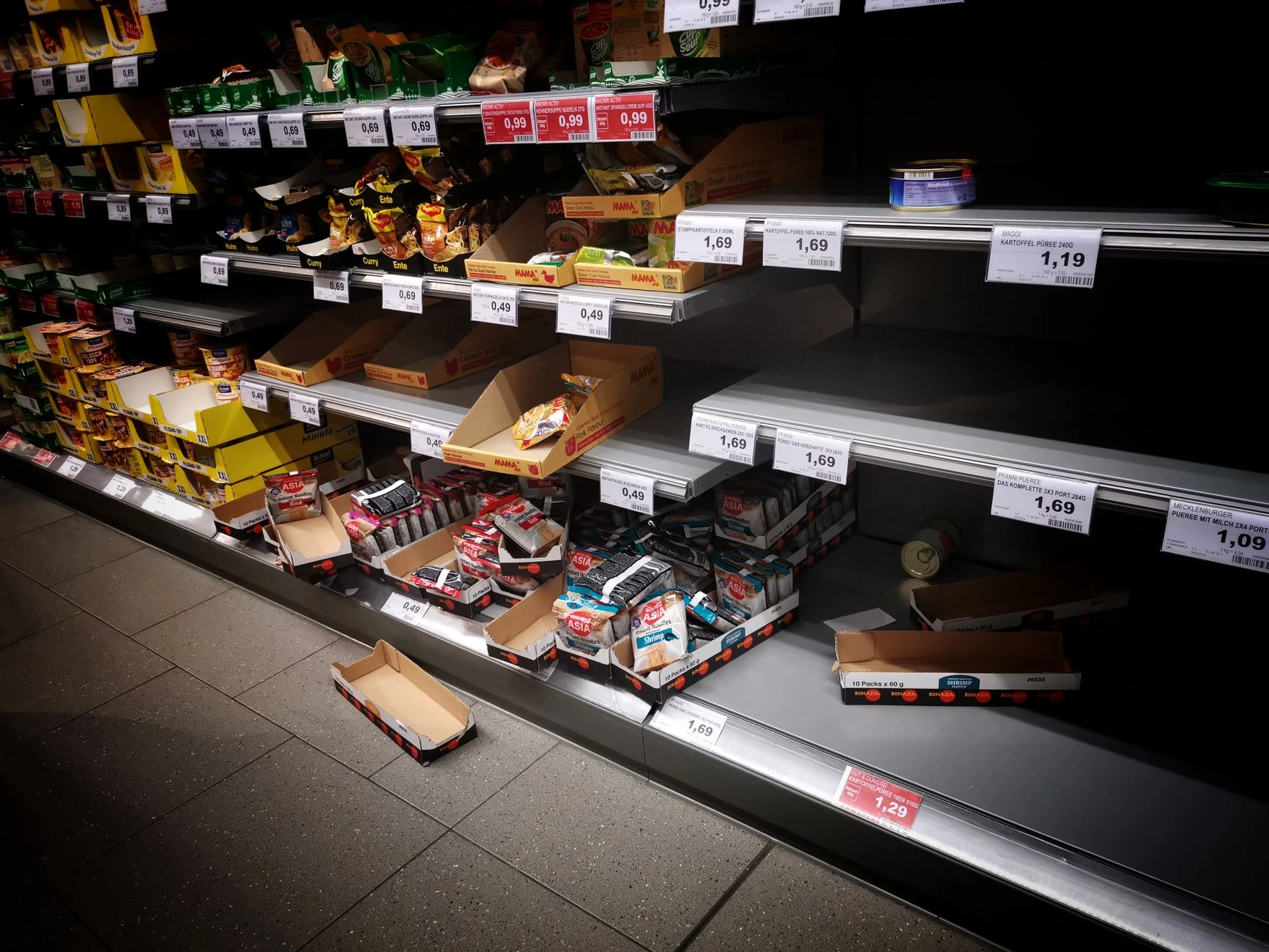
The damage is not limited to crude. AP and ABC News reporting said the Iran war disrupted supplies of refined fuel, fertilizer, food and even footwear. U.S. benchmark crude fell to about $80 a barrel after news of a tentative U.S.-Iran agreement, down from more than $120 at the conflict peak but still above the roughly $67 level before the war. Economists say consumers will not see instant relief because refineries typically buy crude a month or more in advance, which slows the pass-through to gasoline, supermarket shelves and airline tickets.
That lag is especially important in places such as the U.S. West Coast, where Mark Barteau of Texas A&M said limited refining capacity can delay price relief even further. Michael Lynch of the Energy Policy Research Foundation said gasoline prices tend to fall slowly for the same reason. In Chicago, shoppers are already facing near-record beef prices as strong demand meets shrinking herds.

The broader warning is that inflation can outlast the shock that triggered it. European Central Bank researchers said euro-area consumers showed a “double scar” effect after the conflict began, with March 2026 inflation expectations rising by 2.5 percentage points and growth expectations falling by about 1.2 percentage points. They also found oil prices fell about 20% in May but remained roughly 30% above pre-war levels, a gap that helps explain why relief may be gradual rather than immediate.
Sources
- [1]abcnews.com
- [2]cnbc.com
- [3]aol.com
- [4]forbes.com