Business
War in Iran Sends Dollar and Oil Prices Climbing
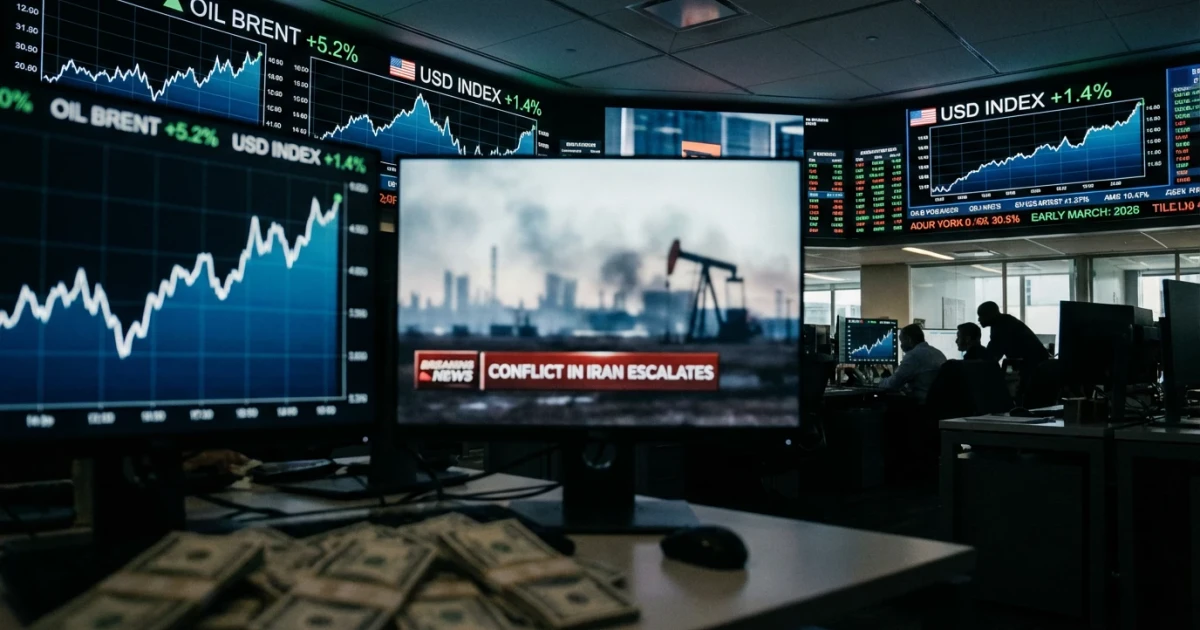
Financial markets saw dramatic shifts as news broke of war erupting in Iran, with traders flocking to safe-haven assets and energy prices soaring amid fears of supply disruptions. The US dollar and government bonds rallied, while oil prices surged and global stock futures fell, reflecting heightened volatility as investors responded to the rapidly evolving geopolitical crisis.
Dollar and Bonds Gain on Flight to Safety
As military conflict unfolded in Iran, the US Dollar Index (DXY) spiked, reflecting the currency's traditional role as a safe haven during periods of global instability. Bloomberg reported that investors poured into US Treasuries, sending yields lower as demand for government debt soared. Market activity indicated a broad risk-off sentiment, with traders seeking assets perceived as stable and liquid.
- The US dollar strengthened sharply against both major and emerging market currencies.
- US Treasury bond prices rose, pushing yields down according to the Daily Treasury Yield Curve Rates.
- Investors cited concerns over potential escalation and the impact on global trade flows.
Oil Prices Jump as Iran War Disrupts Supply
Crude oil markets reacted swiftly, with Brent crude logging one of its largest single-day gains in recent months. The conflict threatened to curtail exports from Iran—one of the world's leading oil producers—heightening fears of a supply crunch. Data from the US Energy Information Administration confirmed a sharp uptick in Brent crude spot prices immediately following reports of military action.
- Oil prices surged over 5% in early trading, according to live Brent crude futures quotes.
- Market analysts warned of possible further gains if the conflict disrupts shipping in the Strait of Hormuz, a key chokepoint for global oil flows.
- Energy stocks outperformed the broader market, reflecting expectations of tighter supply and higher sector profits.
Stock Futures Sink Amid Uncertainty
Meanwhile, global stock futures declined as investors weighed the potential economic fallout from the conflict. Bloomberg and CNN both highlighted broad-based losses across major indices, with sectors exposed to higher energy costs and geopolitical risks leading the declines. Investors turned to economic event trackers like the Investing.com Economic Calendar for upcoming data releases that could further sway markets.
- Futures on US and European equity indices pointed sharply lower in pre-market trading.
- Defensive sectors such as utilities and consumer staples saw relative strength compared to more cyclical industries.
- Market strategists cautioned that volatility could persist as the situation in Iran develops.
Analysis: Broader Economic Implications
While the immediate market reaction reflected classic risk aversion, the longer-term economic impact remains uncertain. According to recent analysis from the IMF World Economic Outlook, large oil shocks can ripple through the global economy, raising inflation expectations and complicating monetary policy decisions. If sustained, higher energy prices could pressure consumer spending and corporate profit margins worldwide.
As traders and policymakers monitor developments, attention will remain focused on the duration and scale of the conflict, as well as the potential for further disruptions in energy and financial markets. For now, the rally in the dollar and bonds—and the spike in oil—underscore the market's sensitivity to geopolitical risk and the ongoing search for stability in uncertain times.