Politics
Warner says intelligence chiefs fear Pulte, Section 702 battle deepens
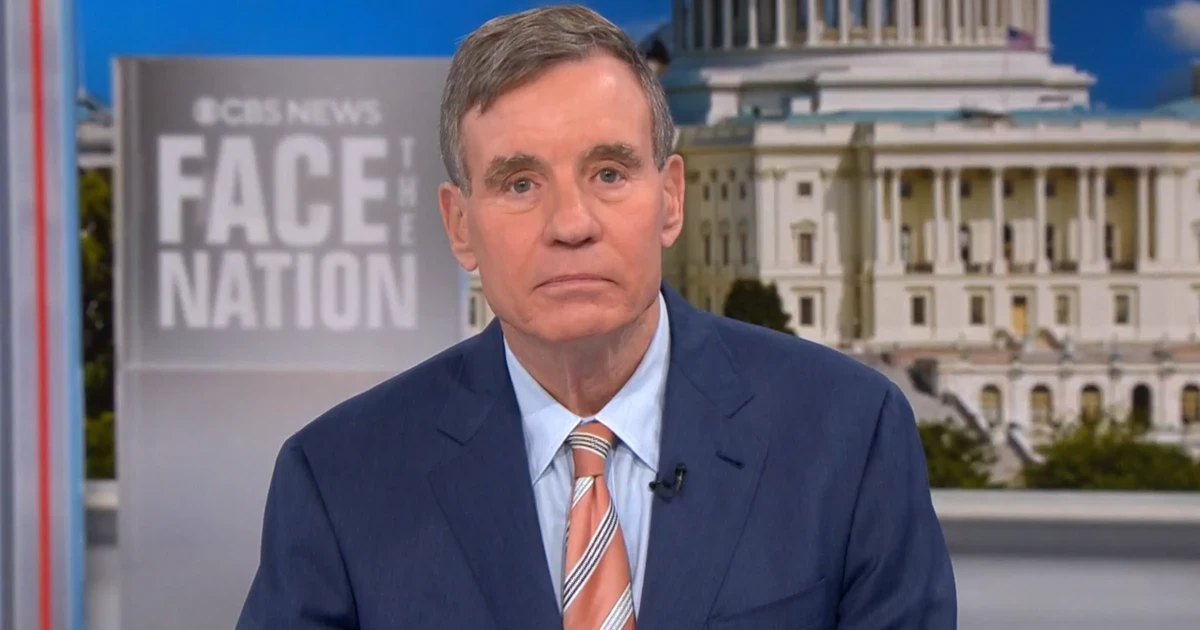
Sen. Mark Warner said the country’s intelligence chiefs are now so alarmed by Bill Pulte’s prospective role that they are reluctant to put sensitive material in front of him, turning a personnel fight into a test of how the national security system handles trust, access and oversight. The Virginia Democrat, who leads his party on the Senate Intelligence Committee, said on CBS’s Face the Nation that heads of the intelligence community told him they are “terrified of showing” information to Pulte.
The warning sharpened a dispute that began when Donald Trump announced on June 2, 2026, that Pulte would serve as acting director of national intelligence after Tulsi Gabbard leaves the post. Pulte already serves as director of the Federal Housing Finance Agency, but Warner has argued that his lack of national security experience makes him unfit for the intelligence job. Warner has also called Pulte a “security risk” and “grossly unqualified,” saying Pulte’s loyalty to Trump and thin background in national security could threaten election security.
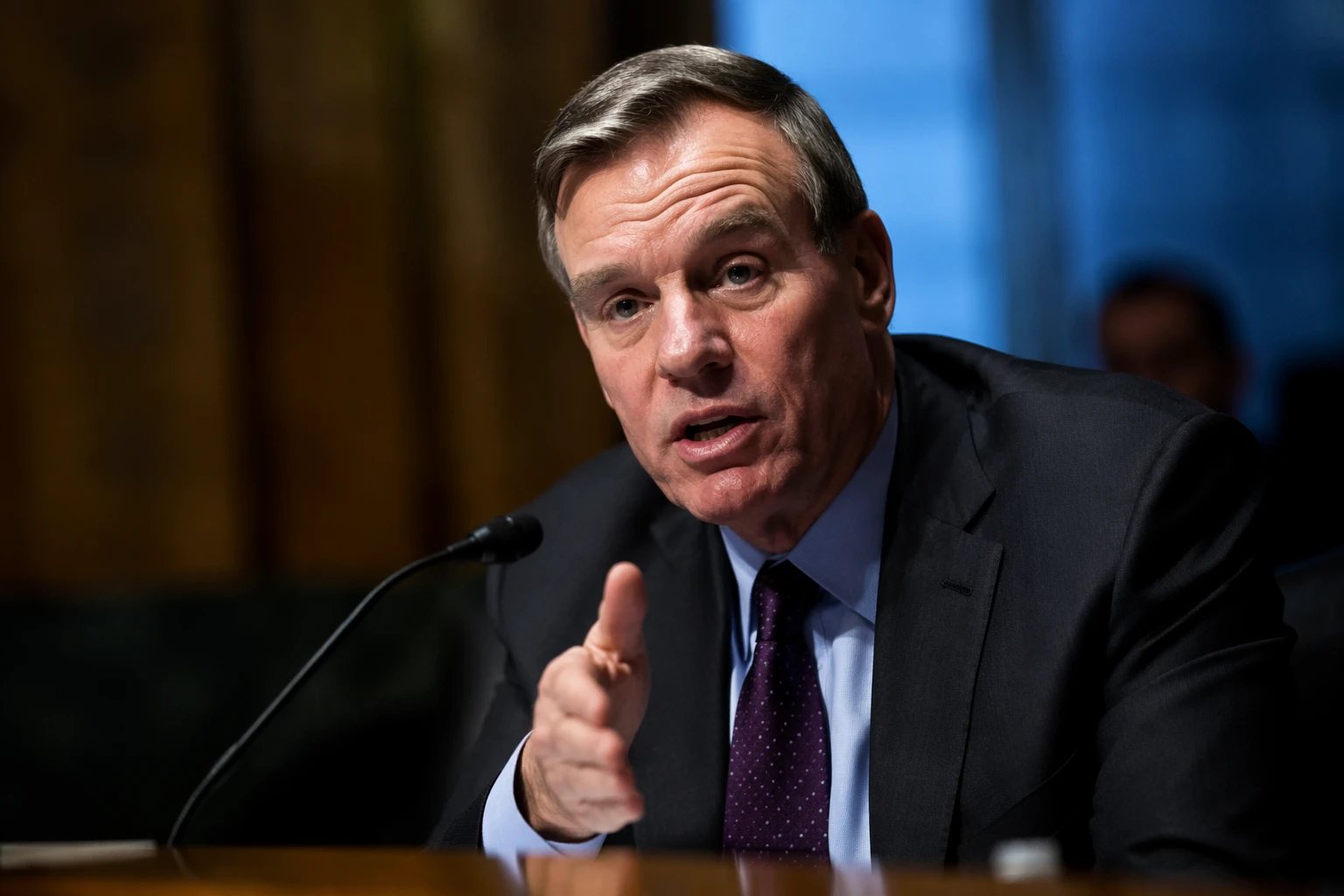
The fallout has already reached Congress’s handling of Section 702 of the Foreign Intelligence Surveillance Act, one of the government’s most important spy authorities. Lawmakers have twice delayed action since the original deadline in April 2026, and the House of Representatives on June 12 defeated a last-ditch effort to extend the authority until July 2 by a 198-218 vote. With the dispute over Pulte still unresolved, Section 702 was reported to be set to expire Friday, deepening pressure on lawmakers who had been trying to keep the surveillance power alive.
The fight has widened beyond Senate Democrats, with bipartisan concern that installing a temporary intelligence chief viewed as inexperienced in national security, yet closely aligned with the president, could weaken confidence inside the intelligence agencies themselves. That concern goes to the heart of the chain of trust: if analysts and agency leaders hesitate to brief the official at the center of the system, the problem is no longer just political. It becomes operational, raising questions about whether classified information can move securely, whether vetting standards are being stretched, and whether intelligence professionals believe the White House will protect what they share.

For Warner, the issue is now bigger than one appointment. It has become a measure of whether the intelligence community can keep functioning when the people inside it fear the consequences of handing sensitive information to the person in charge.
Sources
- [1]cbsnews.com
- [2]msn.com
- [3]politico.com
- [4]warner.senate.gov