Politics
Warnock urges Congress to assert itself on Iran war powers
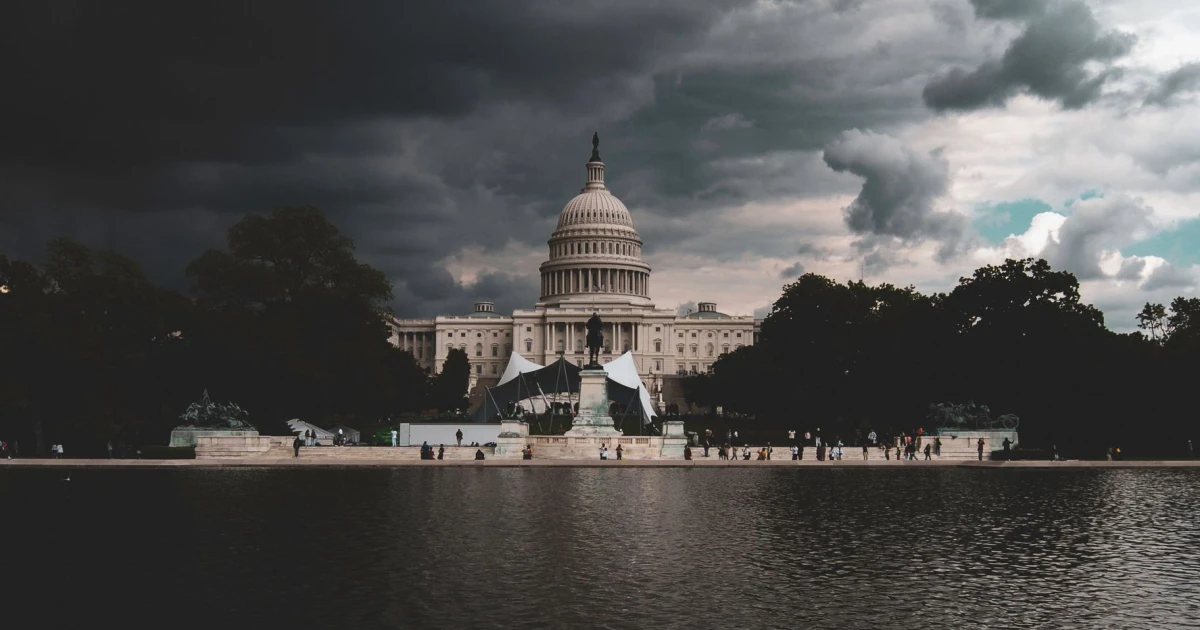
Raphael Warnock said Congress had waited too long to rein in presidential war-making on Iran, arguing that lawmakers were being tested on whether they would reclaim authority or settle for symbolism. In an interview with Major Garrett, the Georgia Democrat said it was "past time for Congress to assert itself" as debate deepened over U.S. involvement.
Warnock tied that warning to the fate of his own War Powers Resolution, which his office said he introduced to stop President Trump’s war in Iran. His office said Senate Republicans blocked the measure on June 16, 2026, after no Republican senators had signed on when it was filed. Warnock also said the conflict now "looks a lot like where we were before any of this started," and added, "I hope the war is over. but the question is, why were we in the war in the first place?" He pointed to the Strait of Hormuz, saying it had been open before the war started and should not have been used as a pretext for escalation.
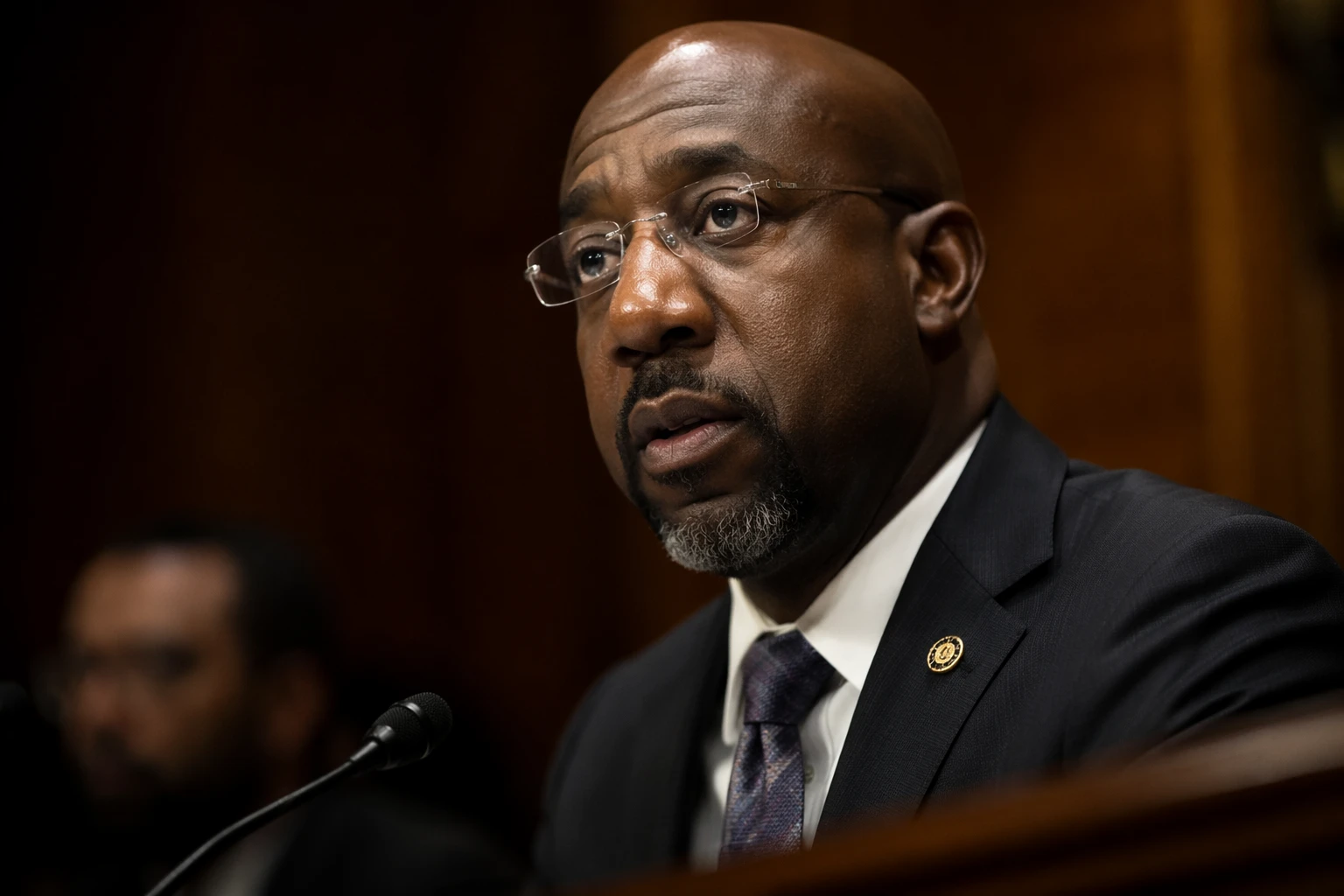
The broader Senate fight underscored how divided Congress remained over war powers. A June vote on an Iran war powers resolution failed to gather enough support, but a later motion to discharge the measure advanced 50-47 after Susan Collins of Maine, Lisa Murkowski of Alaska, Rand Paul of Kentucky and Bill Cassidy of Louisiana joined most Democrats. That split showed that while the Democratic Party largely lined up behind curbing unilateral military action, only a small group of Republicans was willing to break with President Trump and back a challenge to executive authority.
Warnock’s office also said he sought a bipartisan investigation, public hearing and full report into a U.S. Tomahawk missile strike on an Iranian elementary school that killed at least 175 people, most of them children. In the House, leaders had scheduled a war powers vote aimed at limiting Mr. Trump’s ability to wage war with Iran without congressional approval, then pulled it when it became clear Republicans lacked the votes to defeat it.
The interview also doubled as a promotion for Warnock’s new book, The Crooked Places Made Straight, but the political stakes were larger than a book tour. Warnock’s challenge now is the same one confronting Congress: whether lawmakers will merely register displeasure or actually force a vote on war.
Sources
- [1]cbsnews.com
- [2]warnock.senate.gov
- [3]congress.gov