Politics
Warnock urges Congress to assert war powers, defend voting rights
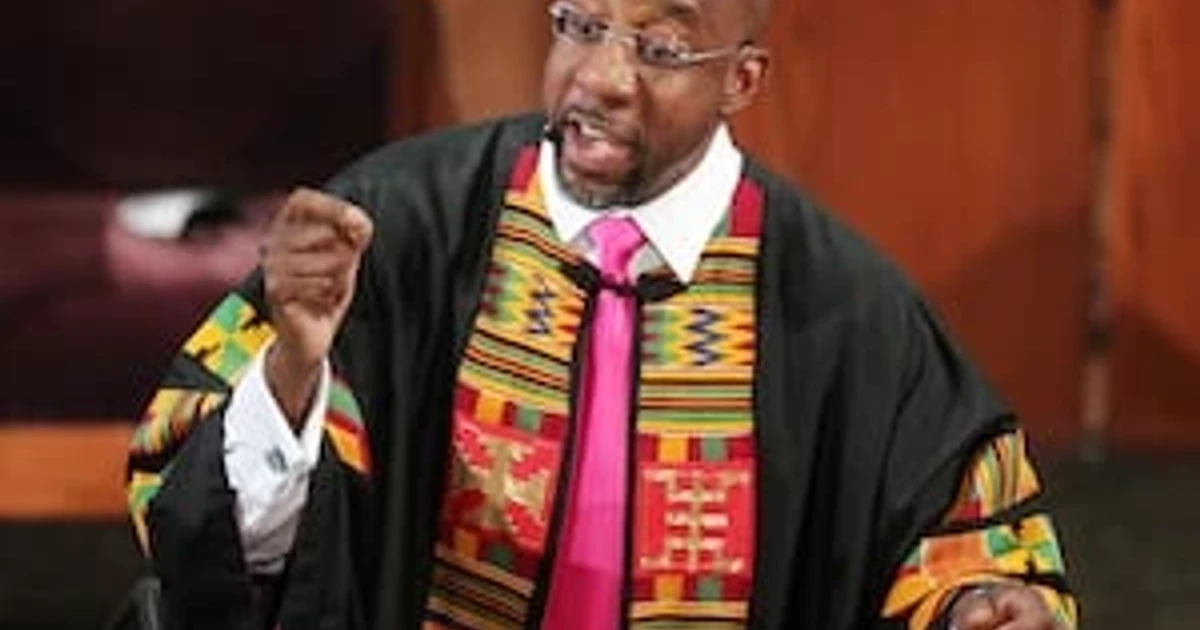
Raphael Warnock used a wide-ranging interview to press a single argument across foreign policy, voting rights and faith: Congress should “assert itself” on war powers in Iran, and America’s fight over democracy is also a fight over morality. The Georgia senator’s message arrived as his new book hit shelves and as his state reopened a redistricting battle that could shape power for years.
Warnock, Georgia’s junior senator and the senior pastor of Ebenezer Baptist Church in Atlanta, the pulpit once led by Martin Luther King Jr., has long fused scripture with policy. In his new book, The Crooked Places Made Straight: Reflections on the Moral Meaning of America, published June 16, he writes that democracy is “the political enactment of a spiritual idea.” In practice, that framing stretches from Iran to the statehouse: Warnock treats military authority, ballot access, gun violence, mass incarceration, poverty, dark money and the climate emergency as linked tests of national character.
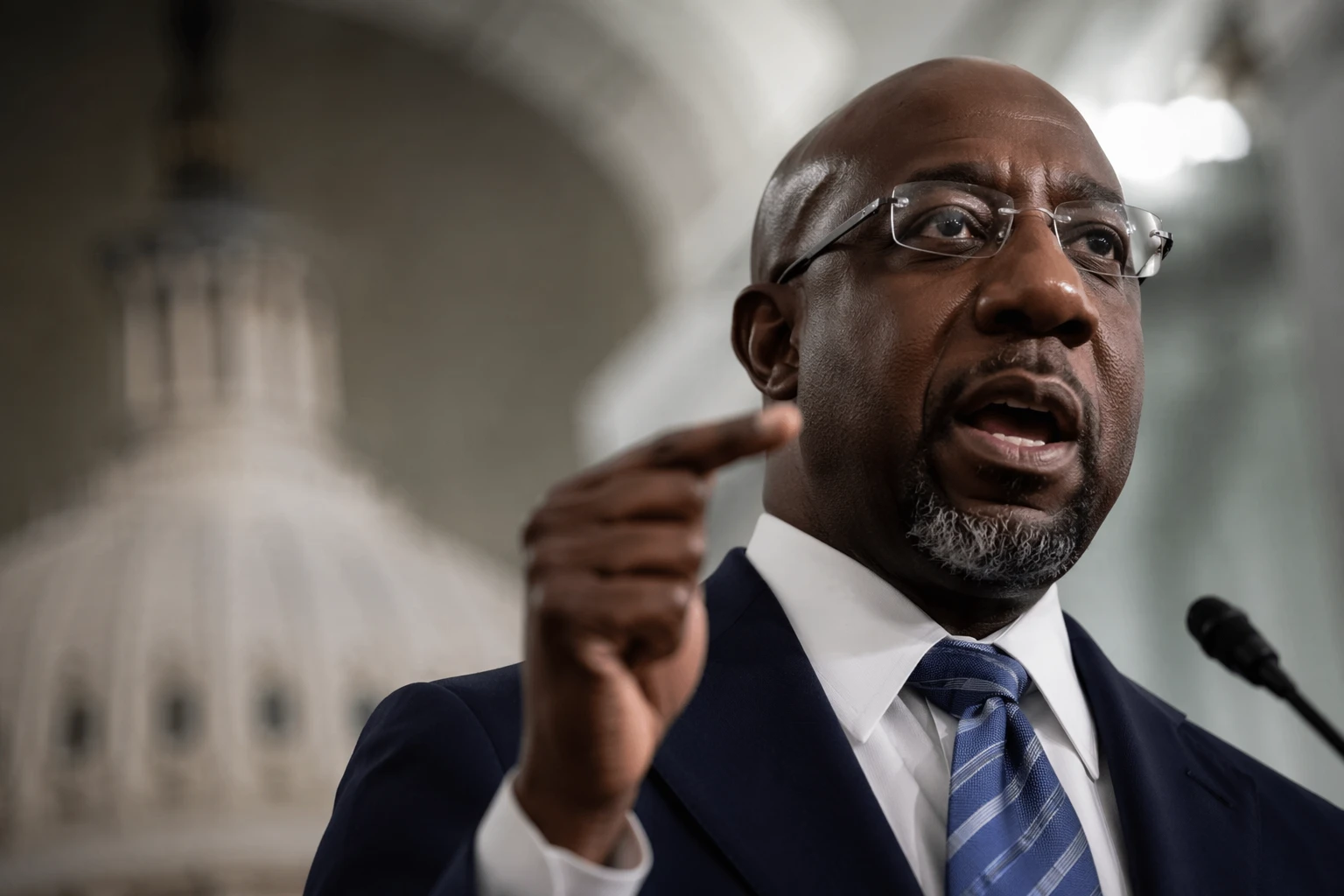
Georgia’s redistricting fight gives that message immediate stakes. Gov. Brian Kemp called a special legislative session for June 17 to redraw maps for the 2028 election cycle, after the Supreme Court’s April 29 ruling in Louisiana v. Callais weakened minority-voting protections under Section 2 of the Voting Rights Act. The Georgia Legislature could also consider new districts for the state House and Senate, and possibly the utility regulatory commission, widening the reach of a map fight that once might have stopped at Congress.
The push follows a 2023 federal ruling by Judge Steve C. Jones that Georgia’s congressional map violated the Voting Rights Act and diluted Black voters’ power. Jones ordered lawmakers to create an additional majority-Black district in west-metro Atlanta, a remedy Warnock has defended as essential to fair representation. Kemp and Georgia Republican officials have argued the new process is required by the Callais decision and by traditional redistricting principles, setting up another clash over who gets to define political fairness.

Warnock’s own rise gives the fight added weight. He became the first Black person elected to the U.S. Senate from Georgia after the Jan. 5, 2021 runoff, then won a full term in 2022. That history makes his warnings about voting rights land as both a moral claim and a political threat assessment, especially as mid-decade redistricting spreads beyond Congress and into statehouses and other elected bodies. For Warnock, the language of faith is not a retreat from power politics. It is the vehicle he uses to navigate them.
Sources
- [1]cbsnews.com
- [2]ap.org
- [3]supremecourt.gov
- [4]politico.com
- [5]books.google.com
- [6]kanw.org
- [7]ajc.com